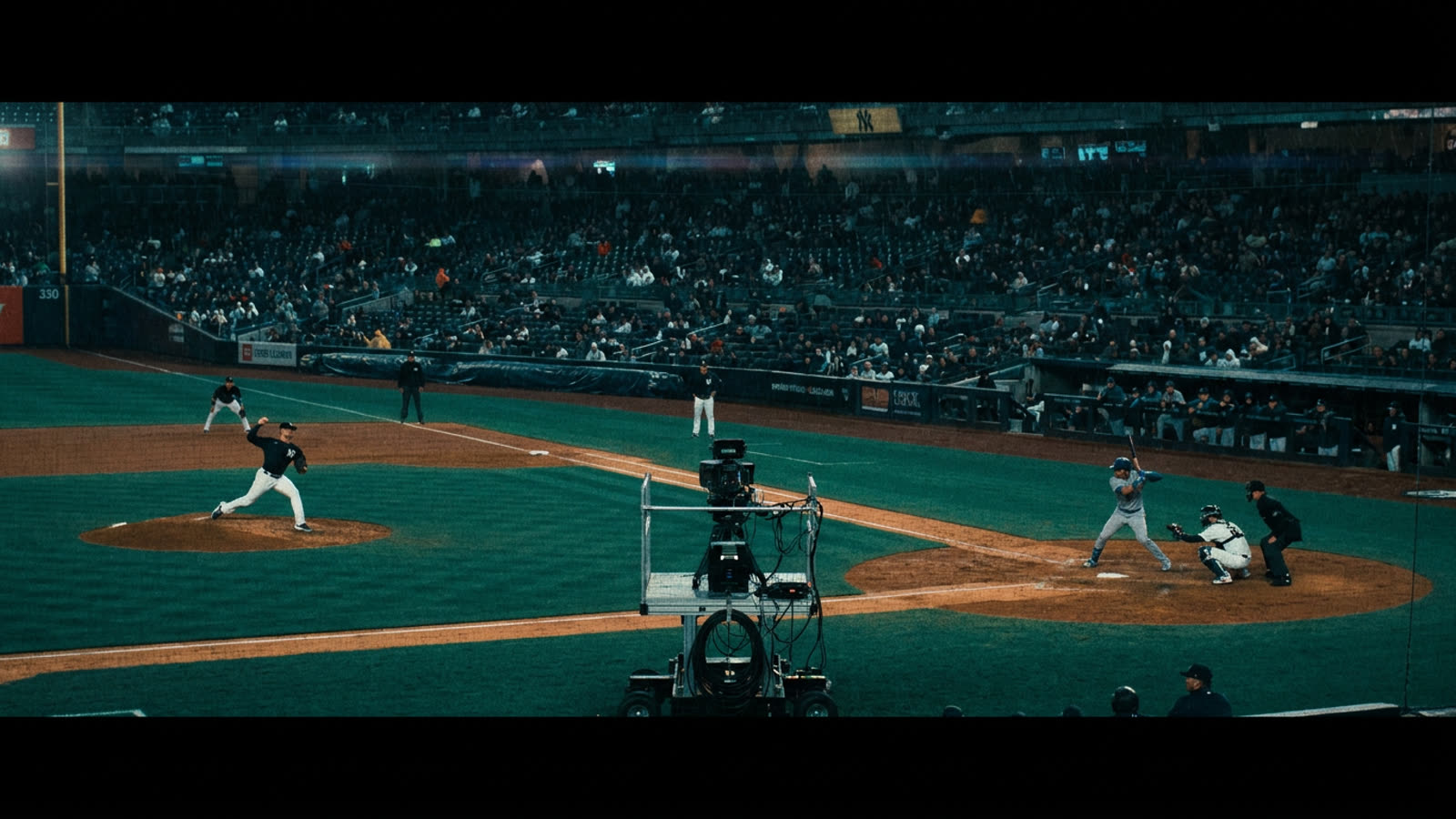
Major League Baseball spent years selling the Automated Ball-Strike system as the cure for human fallibility behind the plate. On Friday night in the Bronx, the machines proved they can be just as capricious as any veteran umpire nursing a grudge.
The Athletics found themselves on the wrong end of an ABS gaffe against the Yankees — the kind of inexplicable malfunction that turns a routine at-bat into a Kafkaesque exercise in futility. The specifics matter less than what the moment revealed: baseball's technological backbone remains more fragile than the league would like to admit, and when it fails, there is no recourse, no challenge system, no human judgment to fall back on. The robot's word is final, even when the robot is wrong.
The automation paradox
Baseball embraced ABS with the fervor of a religion. The pitch-framing dark arts that catchers spent careers perfecting? Obsolete. The inconsistent strike zones that varied by umpire, by inning, by how badly someone needed a bathroom break? Standardized into algorithmic precision. The promise was beautiful: remove human error, and you remove human controversy.
What the league failed to adequately stress-test was the failure mode. When a human umpire misses a call, managers can argue, replays can circulate, accountability can be assigned. When the ABS glitches, the game simply absorbs the error and moves on. There is no face to yell at, no explanation forthcoming, no acknowledgment that something went wrong until long after the damage is done.
Oakland's perpetual misfortune
That this happened to the Athletics carries its own grim poetry. This is a franchise that has spent the better part of a decade being told by ownership that they do not deserve nice things — not a proper stadium, not a competitive payroll, not even the dignity of remaining in their home city. Now they cannot even get a fair shake from the robots.
The A's have become baseball's designated punching bag, the team that exists so other franchises can feel better about their own dysfunction. Friday's ABS malfunction was merely the technological manifestation of a cosmic joke that stopped being funny years ago.
The accountability vacuum
MLB will issue a statement. There will be talk of software patches, of edge cases, of the system working correctly the vast majority of the time. All of this will be true and all of it will miss the point. The question is not whether ABS is better than human umpires on average — it almost certainly is. The question is what happens when it fails, and whether baseball has built adequate safeguards for those moments.
Currently, the answer is no. The league has constructed an infallibility myth around technology that cannot withstand contact with reality. When the system errs, players and managers are expected to shrug and accept it, as if questioning the machine were somehow unsporting.
Our take
Baseball wanted the legitimacy of technological objectivity without the messiness of technological accountability. Friday night exposed the contradiction. ABS is not the problem — the problem is a league that sold automation as perfection and built no mechanism for admitting when it falls short. Until MLB creates a transparent process for acknowledging and correcting system failures in real time, every glitch will feel less like a technical hiccup and more like institutional gaslighting. The robots are not ready to be infallible. Neither, apparently, is baseball ready to admit it.