Andrew Tate's public relations strategy has always relied on the audacity of his denials, but calling allegations of possessing bestiality pornography "BS" on social media represents a new low in a career defined by testing the floor.
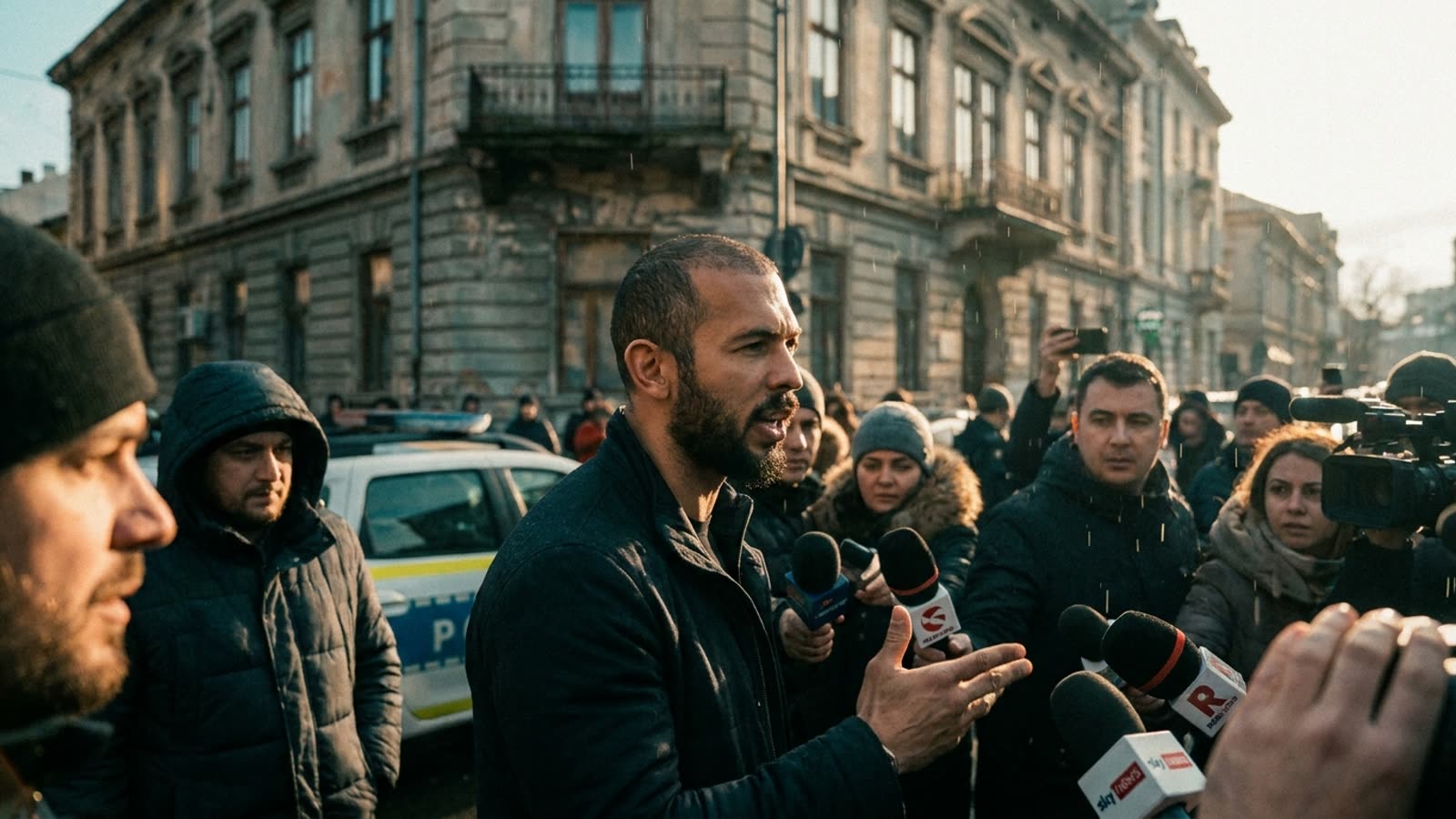
The former kickboxer and self-help guru for disaffected young men finds himself addressing claims that Romanian authorities discovered material depicting sexual acts with a horse during their ongoing investigation into human trafficking charges. Tate's response—a characteristically combative social media dismissal—follows his well-worn playbook of treating legal proceedings as content opportunities. The approach worked when he was merely controversial; it becomes considerably less effective when the allegations involve federal crimes in multiple jurisdictions.
The Investigation That Won't End
Tate and his brother Tristan have been entangled in Romanian legal proceedings since late 2022, when authorities detained them on suspicion of human trafficking, rape, and forming an organized crime group. The brothers have denied all charges while simultaneously monetizing their legal troubles through subscription content and social media engagement. The bestiality material allegation, if substantiated, would add an entirely new dimension to a case that prosecutors have methodically built over nearly four years.
Romanian law treats possession of such material as a serious offense, separate from the trafficking charges. The timing of this leak—whether from prosecutors, investigators, or other sources—suggests the legal noose may be tightening in ways Tate's bravado cannot deflect.
The Influencer Industrial Complex Falters
Tate built his empire on a simple premise: young men feeling left behind by modern society would pay handsomely for permission to embrace their worst impulses, rebranded as "masculinity." His Hustler's University and subsequent ventures generated tens of millions by selling courses on wealth accumulation and female manipulation to an audience desperate for direction.
That business model requires a protagonist who appears untouchable. Trafficking charges dented the image; allegations involving animal abuse material threaten to collapse it entirely. Even Tate's most devoted followers—the ones who dismissed trafficking accusations as feminist overreach—may struggle to incorporate this into their worldview.
Our take
Tate's reflexive denial carries the exhausted energy of a man who has confused social media engagement with legal strategy. The courts do not operate on algorithm logic, and prosecutors are notably unimpressed by subscriber counts. What remains genuinely remarkable is not that Tate faces serious charges—the evidence of his business practices has been public for years—but that it took this long for the consequences to become inescapable. The "Top G" brand was always built on sand; we are simply watching the tide come in.