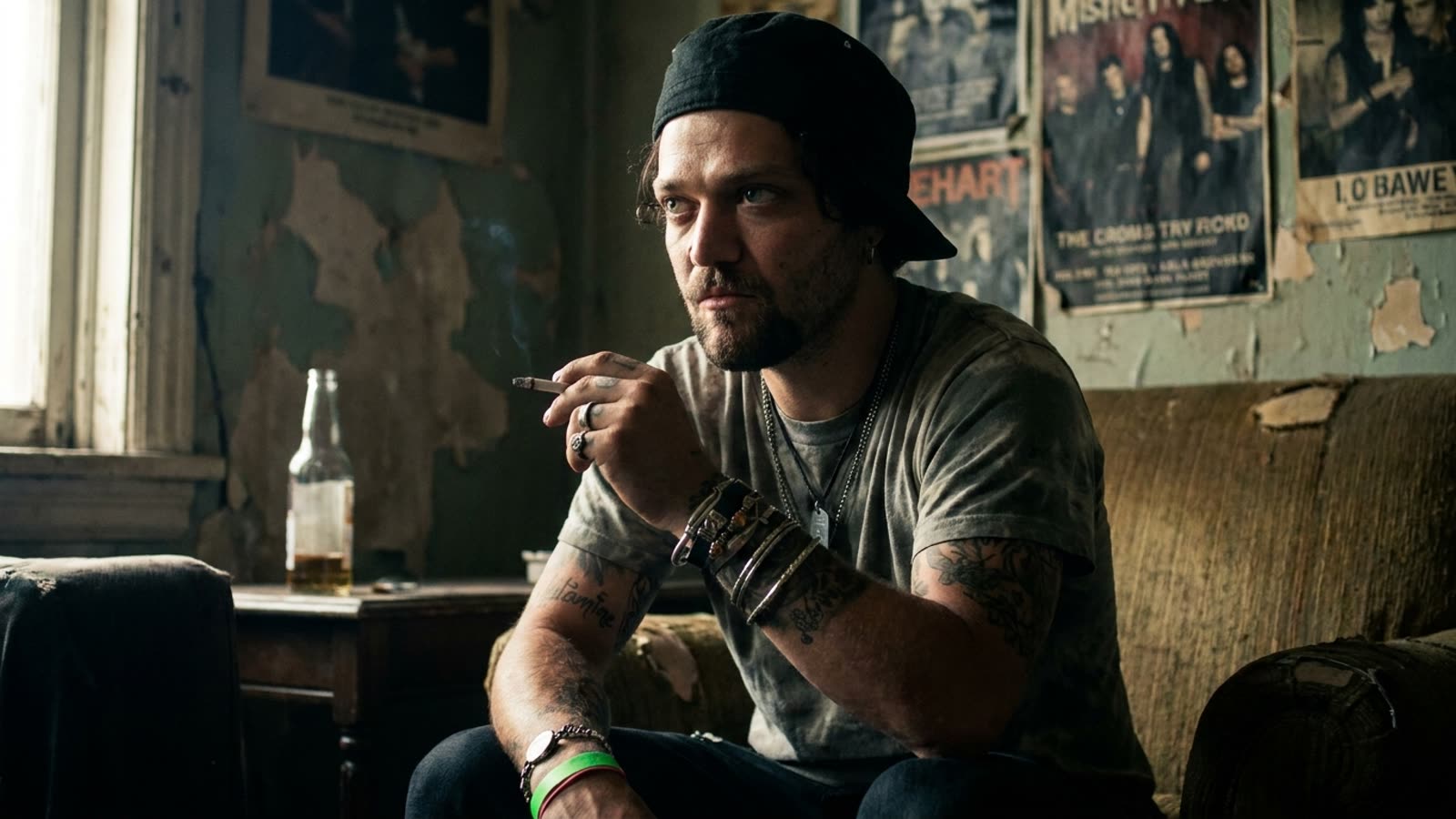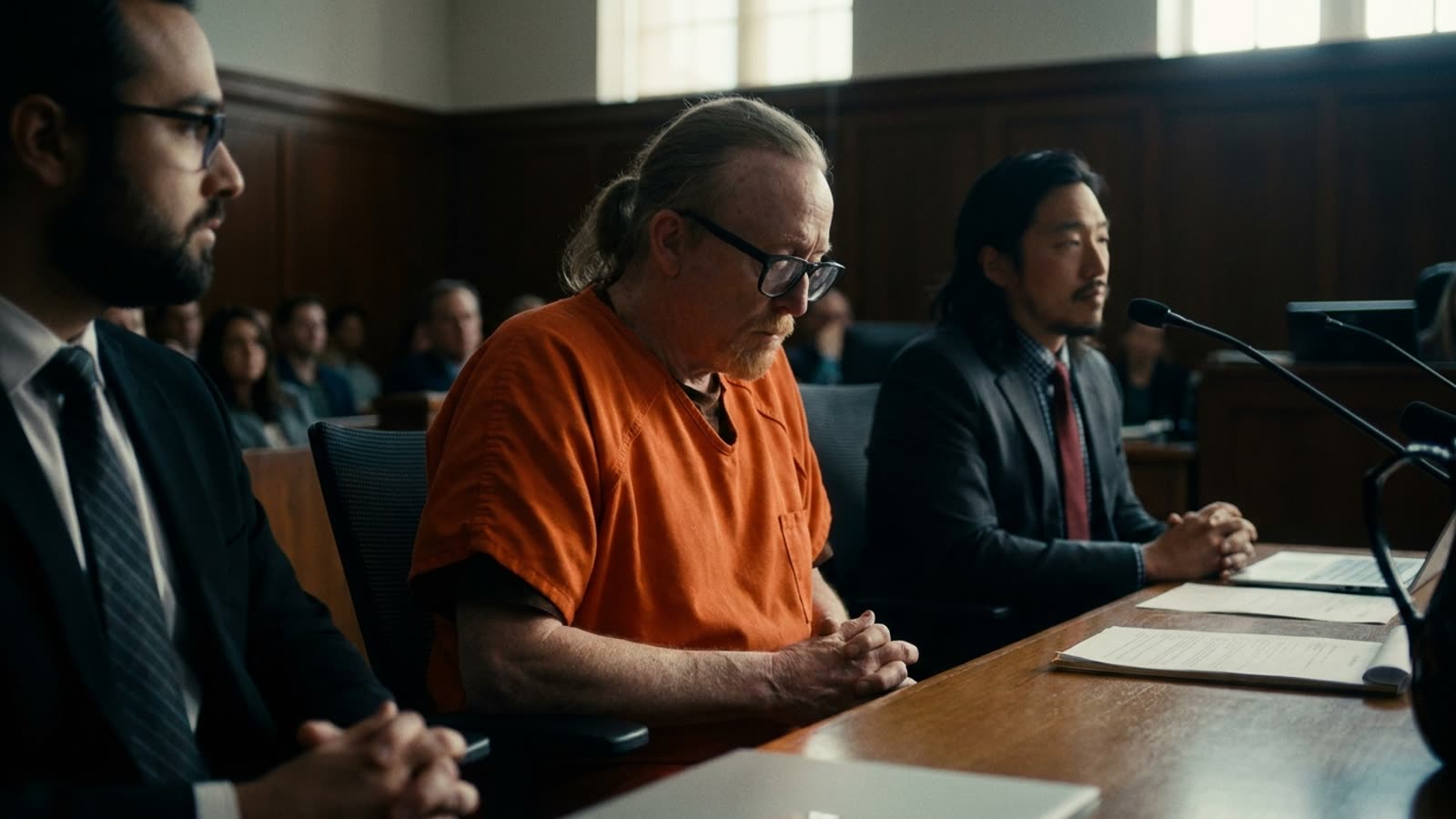
The Brown family's fears about Matt Brown were not, it turns out, a recent development. According to new reports, relatives of the eldest son from Discovery Channel's Alaskan Bush People had harbored concerns about his erratic behavior for years before his troubles became tabloid fodder—raising the uncomfortable question of what, exactly, networks owe the families whose dysfunction they monetize.
Matt Brown, 43, has been a fixture of concern since the show premiered in 2014, documenting the Brown family's unconventional life in the Alaskan wilderness. His struggles with substance abuse led to multiple rehab stints, public incidents, and eventual estrangement from portions of his family. What's newly clarified is the timeline: those closest to him saw warning signs long before cameras stopped rolling.
The reality television paradox
Discovery and its parent company, Warner Bros. Discovery, have built an empire on families like the Browns—people whose lives are compelling precisely because they exist outside mainstream norms. The format depends on authenticity, which means capturing genuine struggle. But authenticity and exploitation share an uncomfortably thin border.
The network has never publicly addressed what support systems, if any, were offered to Matt Brown during production. This is standard practice in the industry, where duty-of-care provisions remain largely voluntary and inconsistently applied. British broadcasters, following several high-profile tragedies connected to reality shows, have adopted more rigorous aftercare protocols. American networks have been slower to formalize such commitments.
A family fractured on camera
The Browns' patriarch, Billy Brown, died in 2021, leaving a family already strained by Matt's behavior without its gravitational center. Siblings have spoken guardedly about the difficulty of watching a brother struggle while cameras documented every low point. The show continued, as shows do, because the economics demanded it.
Matt's trajectory—from rugged eldest son to cautionary tale—mirrors patterns seen across reality television's landscape. The genre selects for volatility, then expresses surprise when volatility produces casualties. Producers are not therapists, but they are also not passive observers; they shape narratives, schedule shoots, and decide what makes air.
Our take
The Brown family's years of private worry becoming public knowledge changes nothing legally but should change something culturally. Networks cannot claim to merely document lives they actively structure. If a family sees a member spiraling and the network keeps filming, the network is not a journalist—it is a participant. Reality television has made billions from human mess. The least it can do is acknowledge its fingerprints on the wreckage.