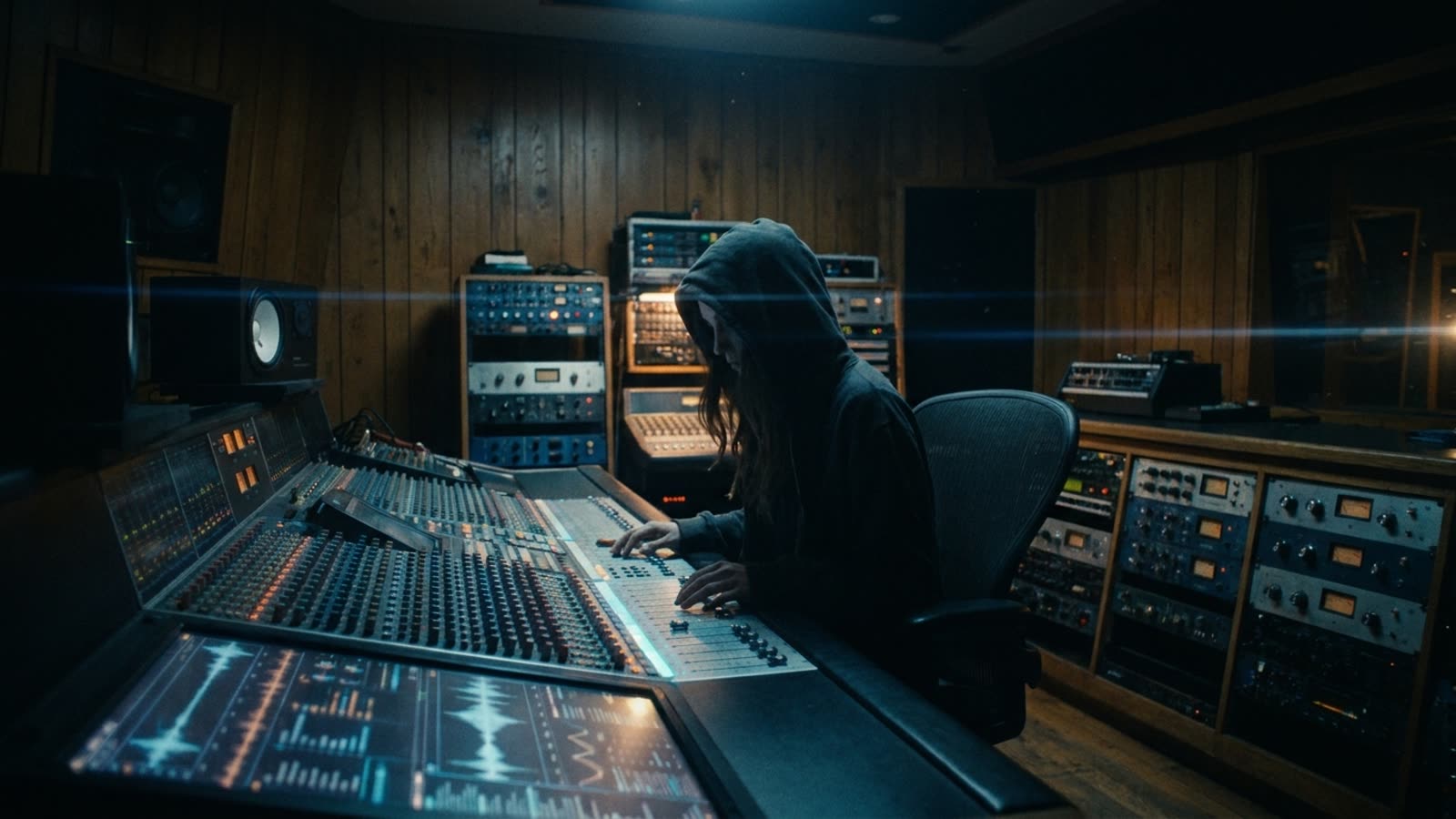
For decades, the path to becoming a professional sound engineer followed a predictable arc: years of apprenticeship in studios, thousands of hours learning to hear the difference between 2.5 kHz and 3.2 kHz, the slow accumulation of instinct about which compressor suits which voice. The craft was built on scarcity—scarcity of equipment, scarcity of studio time, scarcity of the tacit knowledge that transforms a recording into something that moves through speakers and into bodies.
Artificial intelligence has not eliminated sound engineers. It has done something more disorienting: it has made their hardest-won skills simultaneously more valuable and less necessary.
The automation paradox
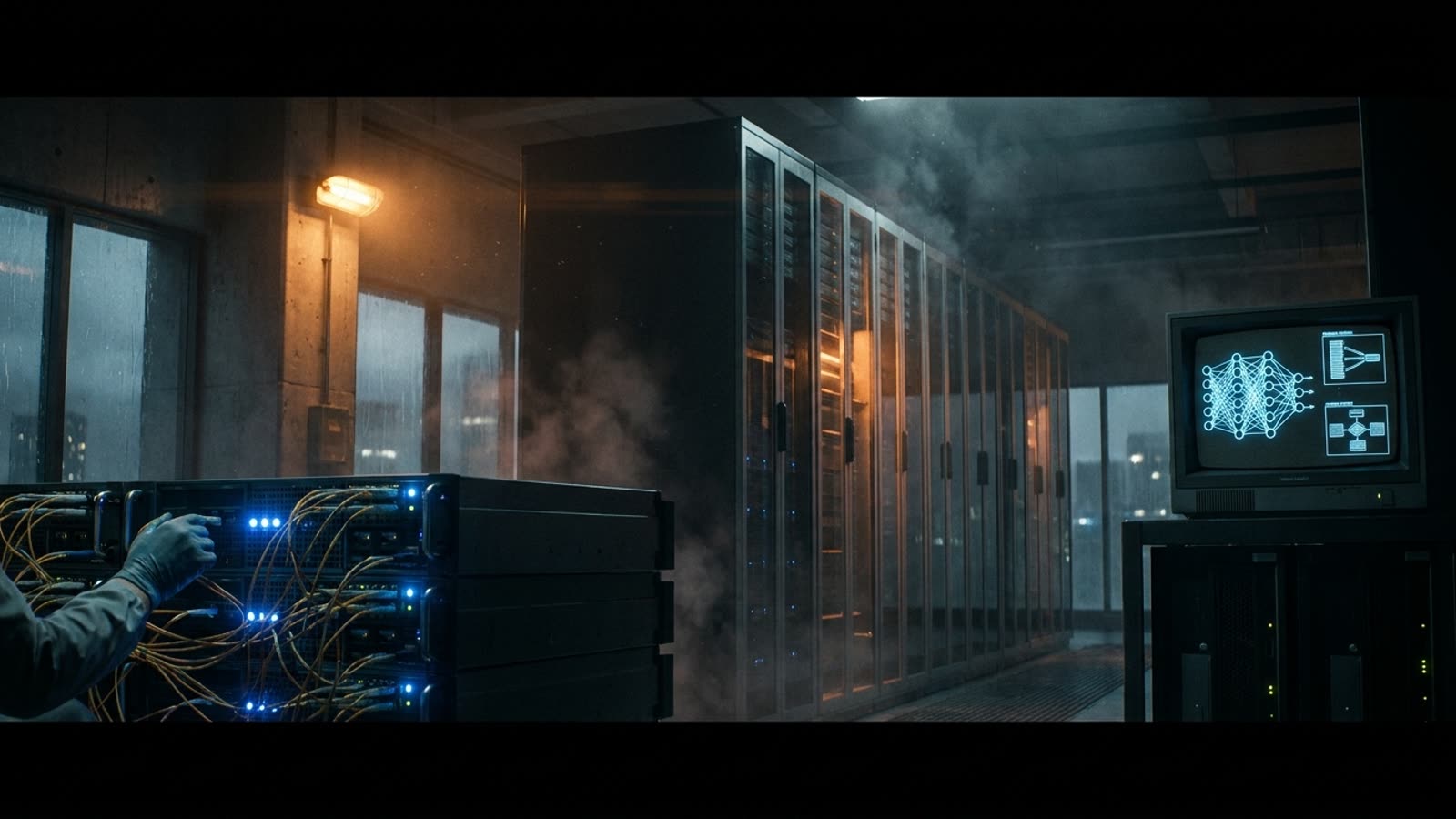
Modern AI mixing tools can analyze a raw recording and apply corrective equalization, compression, and spatial effects in seconds. What once required a trained ear and several hours of focused work now happens with a button click. Services and plugins built on machine learning have democratized competent sound—any bedroom producer can now achieve results that would have required a professional studio a generation ago.
Yet the engineers who remain in demand have not become obsolete. They have become curators of taste in a world drowning in adequate sound. When everyone can access good-enough mixing, the premium shifts to the ineffable: the creative choices that make a record feel like this artist rather than any artist. AI handles the technical floor; humans define the artistic ceiling.
What the ear still knows
The most interesting tension in AI-augmented audio work concerns the nature of expertise itself. Machine learning models are trained on vast libraries of professionally mixed music, learning statistical patterns that correlate with what engineers have historically done. But this means AI mixing tends toward the median—it knows what most engineers do in most situations.
Experienced engineers increasingly describe their role as knowing when to deviate from that median. The slightly unconventional vocal treatment, the bass that sits just wrong enough to create tension, the deliberate imperfection that gives a track its humanity—these remain beyond algorithmic reach. The craft has shifted from executing technical operations to making aesthetic judgments about when the technically correct choice is the artistically wrong one.
The new apprenticeship
Younger engineers entering the field face a genuinely novel educational challenge. They must learn the fundamentals well enough to understand what AI tools are doing, while simultaneously developing the critical sensibility to override those tools intelligently. It is not unlike learning to write well in an era of sophisticated grammar checkers: you must internalize the rules deeply enough to know when breaking them serves the work.
Some veteran engineers report that AI has paradoxically deepened their engagement with craft. Freed from hours of corrective labor—removing hums, aligning timing, cleaning up frequencies—they spend more time on the creative decisions that drew them to the profession originally. Others describe a creeping anxiety: if the technical foundation of their expertise can be automated, what exactly makes them irreplaceable?
Our take
The sound engineering profession offers a preview of how AI reshapes knowledge work more broadly. The technology does not simply replace tasks; it redefines what constitutes skill. The engineers thriving in this environment are those who understood their work as fundamentally about judgment rather than execution—and who can articulate why their judgment matters when a machine can execute competently. That distinction will determine winners and losers across dozens of professions in the coming years.