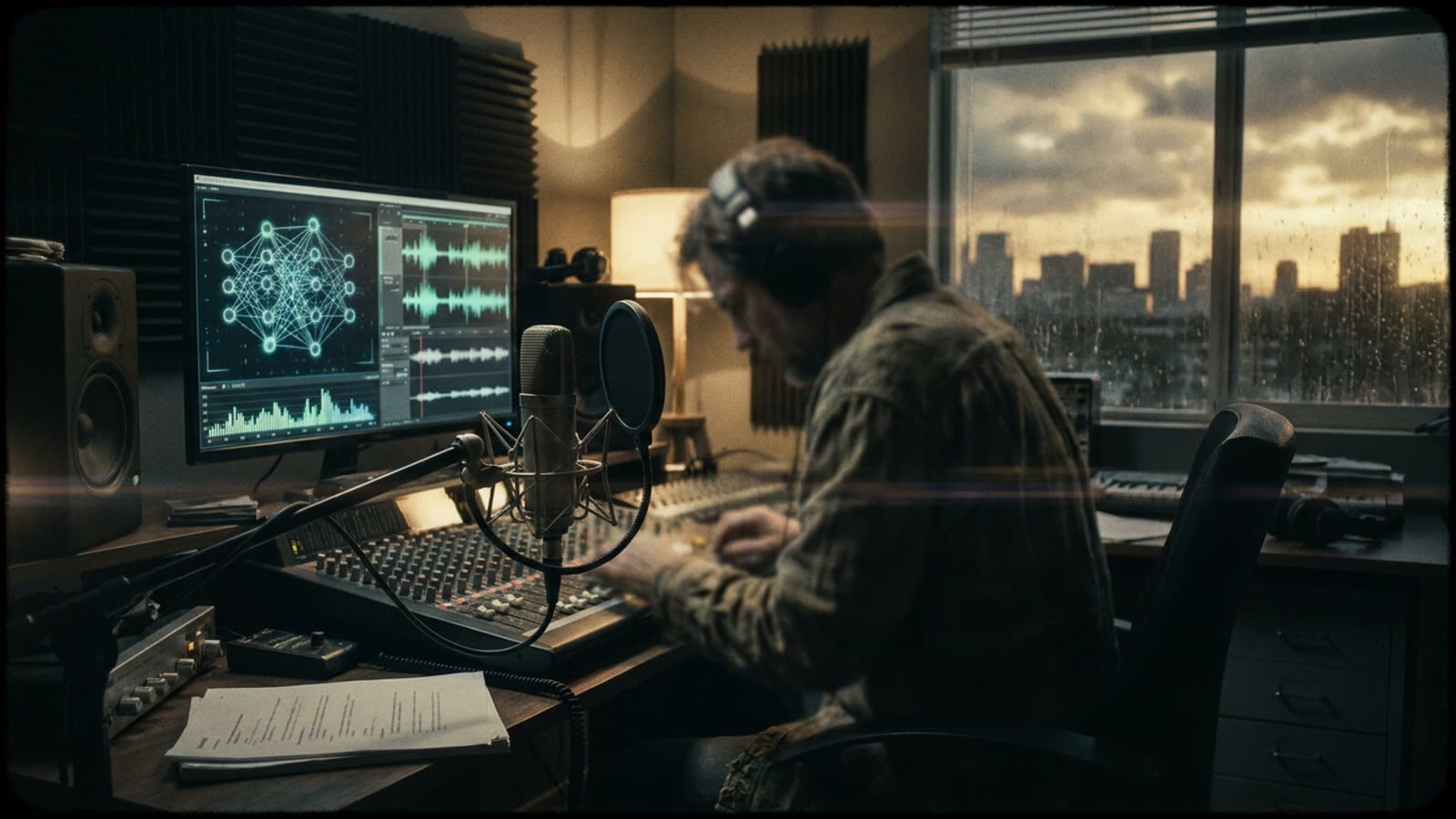
The obituaries for voice acting began appearing around 2023, when synthetic voices crossed the uncanny valley and major studios started licensing actors' vocal likenesses. The profession that gave personality to animated characters, narrated audiobooks, and populated video games with thousands of background voices seemed destined for algorithmic replacement. Three years later, the reality is considerably more interesting than extinction.
Voice acting is not dying. It is bifurcating into two distinct economies that barely resemble each other, and the actors navigating this split are developing skills that did not exist five years ago.
The commodification layer
The bottom tier of voice work — corporate explainer videos, GPS navigation prompts, automated phone systems, generic audiobook narration — has largely surrendered to synthesis. This was never the creative heart of the profession, but it was the bread-and-butter work that sustained many performers between prestige jobs. A voice actor who once recorded fifty hours of e-learning modules annually now competes against systems that can generate equivalent content in minutes for a fraction of the cost.
What the doomsday narratives miss is that this tier was already brutally competitive and poorly compensated. Its automation freed many actors to focus on work that actually required their craft, while forcing others out of a field they had entered primarily for its accessibility.
The premium layer's unexpected resilience
High-end voice work has proven remarkably resistant to replacement, for reasons that illuminate AI's genuine limitations. Video game protagonists, animated film leads, and prestige audiobooks still demand human performers — not from nostalgia, but because synthesis cannot yet deliver the micro-variations in breath, the emotional texture built across a four-hour recording session, or the improvisational collaboration with directors that distinguishes memorable performances from competent ones.
More surprisingly, a middle tier has emerged: actors who direct and refine AI-generated voices, treating synthesis as an instrument rather than a rival. These performers license their vocal signatures, then spend hours adjusting the output — adding breath where the algorithm omitted it, introducing subtle imperfections that prevent the sterile quality that listeners unconsciously reject. The actor becomes a conductor of their own synthetic orchestra.
The consent question that reshaped everything
The profession's most significant transformation came not from technology but from the legal and ethical battles over vocal likeness rights. After several high-profile disputes involving deceased performers and unauthorized cloning, industry guilds successfully established frameworks requiring explicit consent and ongoing compensation for voice synthesis. This did not stop AI adoption, but it channeled it toward licensed collaboration rather than wholesale replacement.
Actors who strategically licensed their voices early now earn passive income from synthetic versions handling low-tier work, while reserving their live performances for premium projects. Those who refused licensing on principle found themselves neither replaced nor protected — simply working in a smaller market that still values human presence.
Our take
Voice acting's AI reckoning offers a template that other creative professions would do well to study. The technology did not eliminate the field; it stratified it more sharply and rewarded those who understood their actual competitive advantages. The actors thriving today are not Luddites who rejected synthesis, nor enthusiasts who embraced it uncritically. They are pragmatists who recognized that a neural network can approximate their voice but cannot replicate their judgment, their presence in a recording booth, or their ability to surprise a director with an interpretation no one anticipated. That distinction — between reproduction and creation — remains AI's most durable boundary.