Somewhere in a quiet living room, a woman in her seventies is listening to her father explain, in his own voice, why he loved flying. He died in 1967, when she was eleven. She has no memory of his voice. Now she does.
This is the strange new frontier of AI voice cloning: not celebrity deepfakes or customer service bots, but something far more intimate. A growing number of memorial organizations, military history projects, and private families are using synthetic voice technology to resurrect the voices of deceased pilots—men who left behind scratchy radio recordings, training tapes, or sometimes just a few seconds of audio from a cockpit voice recorder. The AI does the rest, generating new speech that sounds uncannily like the original.
The technology behind the voices
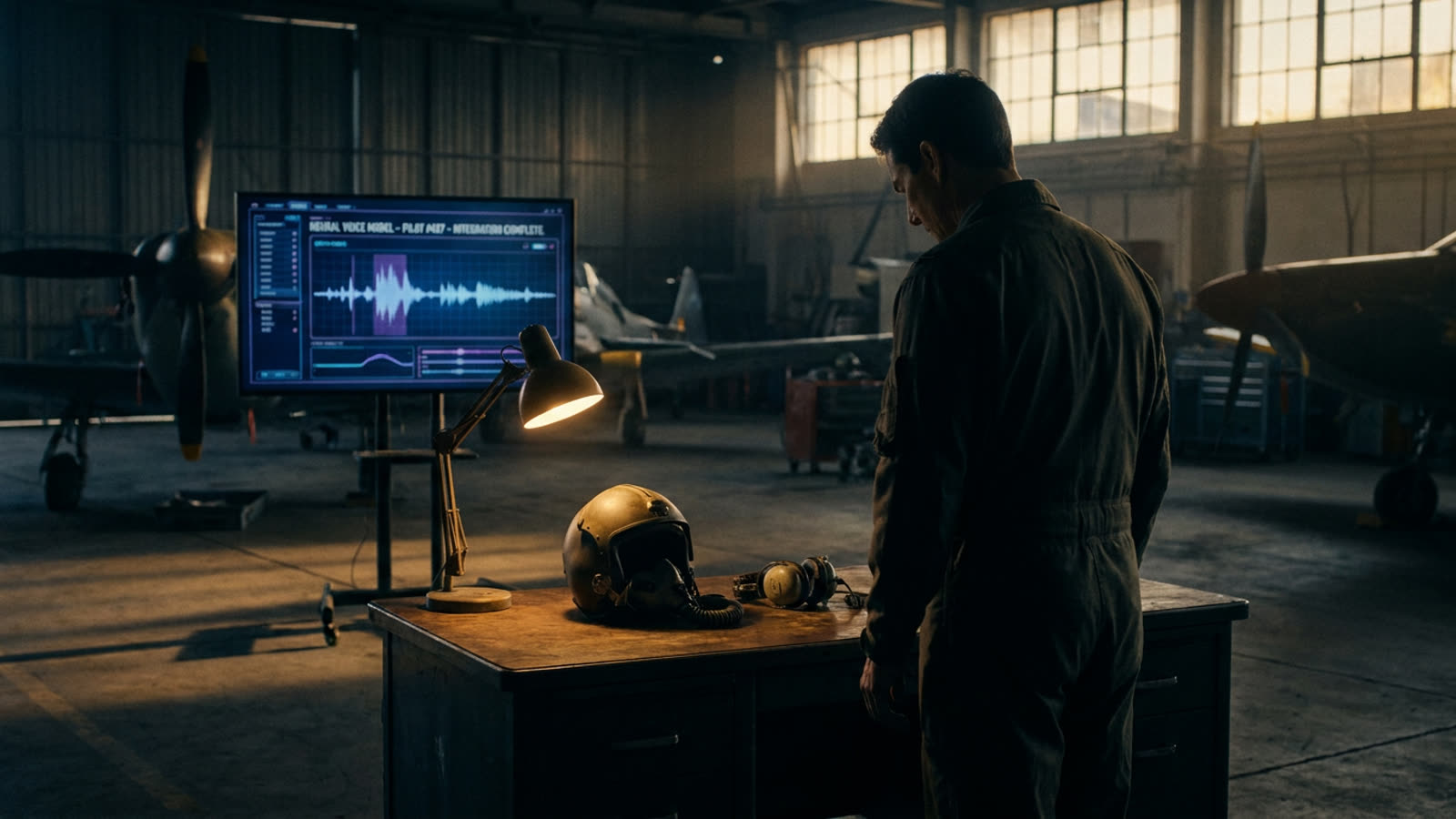
Modern voice cloning requires remarkably little source material. Services from companies like ElevenLabs, Resemble AI, and Descript can generate convincing synthetic speech from as few as thirty seconds of clean audio. For pilots who died in the mid-twentieth century, archival recordings—radio transmissions, newsreel interviews, or personal tapes—are often just enough to build a voice model. The AI learns the timbre, cadence, and inflection, then synthesizes new sentences the person never actually spoke.
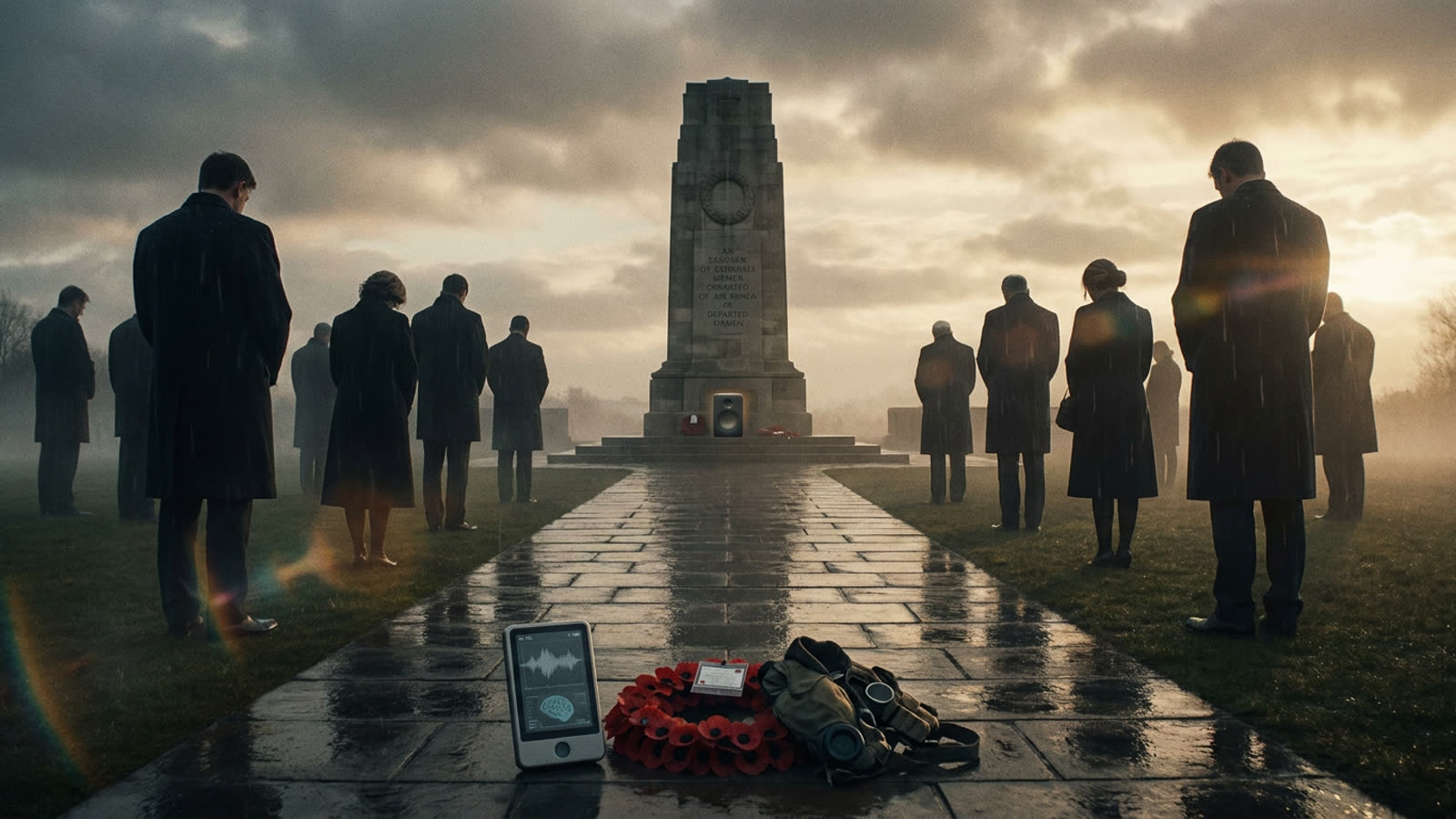
The applications have expanded rapidly. The National Museum of the United States Air Force has experimented with voice-cloned narration for exhibits honoring fallen aviators. Private memorial services have featured synthetic messages from the deceased. At least one documentary project is using the technology to let Korean War pilots "tell their own stories" in their own voices, reading from letters and diaries.
The consent problem
The ethical terrain is treacherous. These pilots never consented to having their voices cloned. Their families, in most cases, are the ones making the decision—but that raises its own questions. Does a widow have the right to put words in her husband's mouth sixty years after his death? What about children who never knew their father, or historians who want to "bring history to life"?
Legal frameworks are almost nonexistent. Most jurisdictions have no postmortem voice rights, and even living-person protections are patchy. The result is a regulatory vacuum where the only real constraint is social norms—and those are shifting fast.
Grief, memory, and the uncanny
Psychologists who study bereavement are divided. Some argue that hearing a loved one's voice can provide genuine comfort, a form of continuing bonds that helps survivors process loss. Others warn of the uncanny valley of grief: the synthetic voice is close enough to trigger emotional responses but different enough to feel wrong, potentially complicating the mourning process rather than resolving it.
For families who have spent decades with only photographs and letters, the temptation is obvious. The question is whether the comfort is real or borrowed.
Our take
There is something undeniably moving about a daughter finally hearing her father's voice. There is also something unsettling about a technology that lets us put words in the mouths of the dead without their permission. The pilots being resurrected served in an era when the idea of synthetic speech was science fiction; they could not have imagined, much less consented to, this use of their voices. That does not mean it is wrong—but it does mean we are making decisions for people who cannot object. The technology is here, and it will only get better. The harder question is whether we are ready to use it wisely, or whether we are simply too eager to hear the dead speak again to ask whether we should.