Zcash shed nearly 7% in 24 hours on Saturday, a jolt that looks modest only because the asset has climbed roughly 187% over the past year to hover around $1,155. The sell-off lands two days before American midterm elections that have turned data privacy into an unexpectedly live political issue—and reminds investors that the privacy-coin thesis, however intellectually compelling, still trades on sentiment rather than adoption.
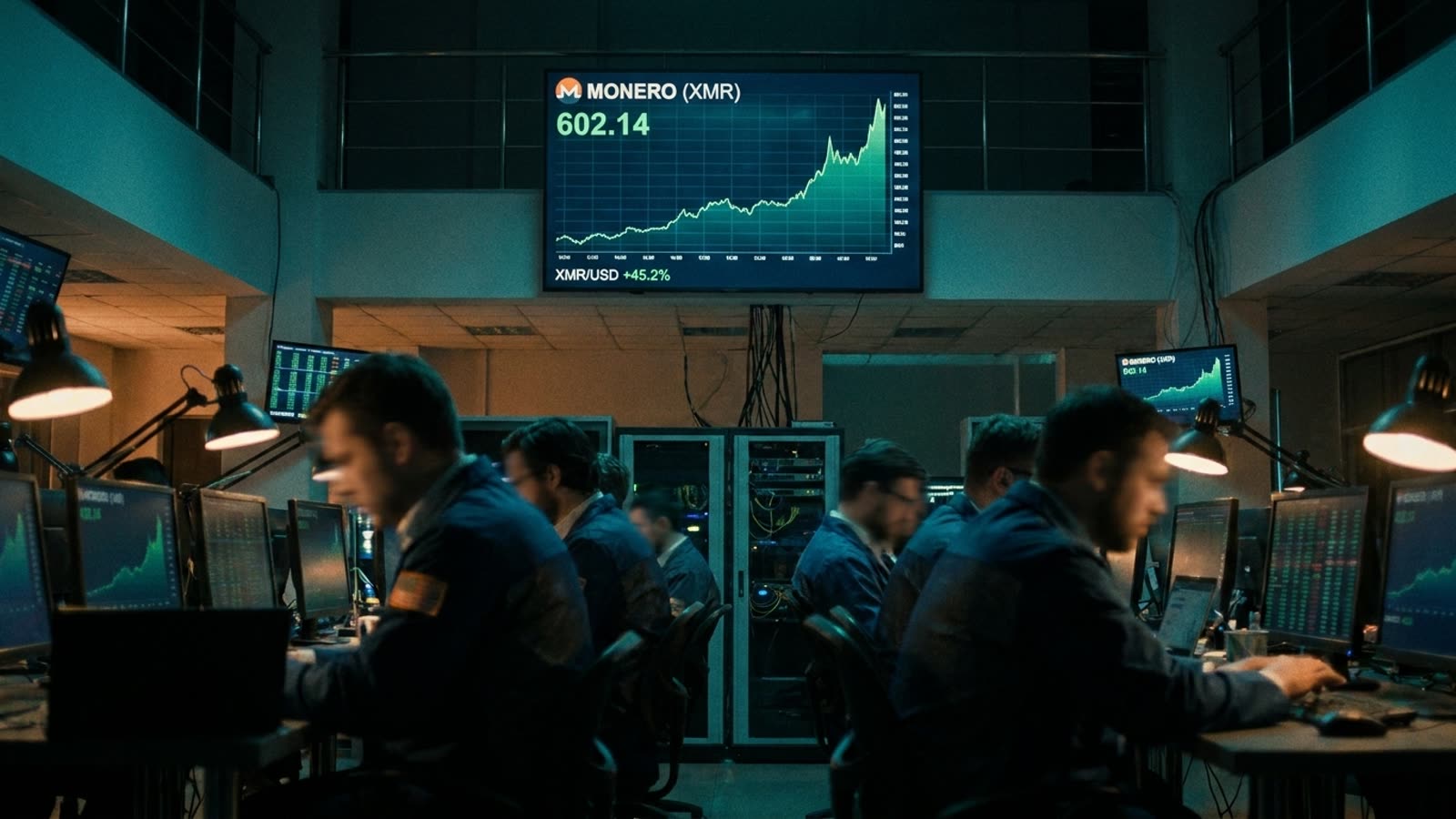
The broader context is a quiet renaissance for shielded assets. Monero, the other marquee privacy coin, has risen more than 75% year-on-year and touched $610 this weekend. Zcash's gains have been even steeper, propelled by a combination of regulatory fatigue in the West, renewed interest from non-custodial wallet developers, and a slow drip of enterprise pilots exploring zero-knowledge proofs for compliance-friendly confidentiality. None of that, however, insulates ZEC from the volatility that defines crypto's second tier.
Why the drop now
No single catalyst explains Saturday's slide. Thin weekend liquidity amplified what appears to be profit-taking after a multi-month run. Some traders point to nervousness ahead of Tuesday's U.S. vote: a Republican sweep could accelerate deregulation of mainstream crypto but might also embolden Treasury enforcement against privacy tools, which remain on the Financial Crimes Enforcement Network's watch list. A Democratic hold, conversely, could keep the regulatory status quo—uncertain but not hostile. Either outcome is a coin flip, and markets hate coin flips.
The privacy premium paradox
Zcash's pitch is elegant: optional shielded transactions that hide sender, receiver, and amount while still allowing users to prove compliance when required. In theory, this should appeal to institutions wary of broadcasting their positions on a public ledger. In practice, shielded usage remains a minority of ZEC transactions, and the coin's market cap—around $19 billion at current prices—is dwarfed by Ethereum's layer-2 ecosystem, which is beginning to experiment with its own privacy modules. The question is whether Zcash can graduate from ideological totem to infrastructure before the big chains absorb its best ideas.
Our take
Privacy coins are the crypto market's canary: when they rally, it signals distrust of surveillance; when they dump, it signals distrust of everything else. Zcash's year has been spectacular by any measure, but a 7% single-day drop on no news is a reminder that the asset class remains a leveraged bet on macro uncertainty. If you own ZEC, you are not buying a payment network—you are buying a hedge against a world where financial privacy becomes scarce. That hedge has paid off handsomely. Whether it continues to do so depends less on code than on politics, and politics, as we are about to be reminded, is unpredictable.