The bracket is set, the predictions are in, and the confident declarations have begun. Argentina will defend. France will surge. England will disappoint in a penalty shootout, as is tradition. But the World Cup's ninety-six-year archive of results tells a different story than the one the forecasters are selling: this tournament punishes certainty with almost religious consistency.
Since 1930, only eight nations have ever won the trophy. That sounds like a narrow oligarchy until you examine how they got there. Brazil's five titles came across wildly different tactical eras, with squads that shared little beyond the shirt color. Germany's four required reunification, a complete philosophical overhaul, and the occasional miracle. The supposed dynasties are actually a series of one-offs connected by flag rather than formula.
The model's blind spot
Modern prediction systems—whether built by newspapers, betting markets, or academic statisticians—excel at processing what can be measured: squad depth, qualifying form, expected goals, injury reports. What they cannot capture is the tournament's unique psychological compression. A World Cup knockout match is not a league fixture extrapolated; it is a separate sport played under conditions that exist nowhere else.
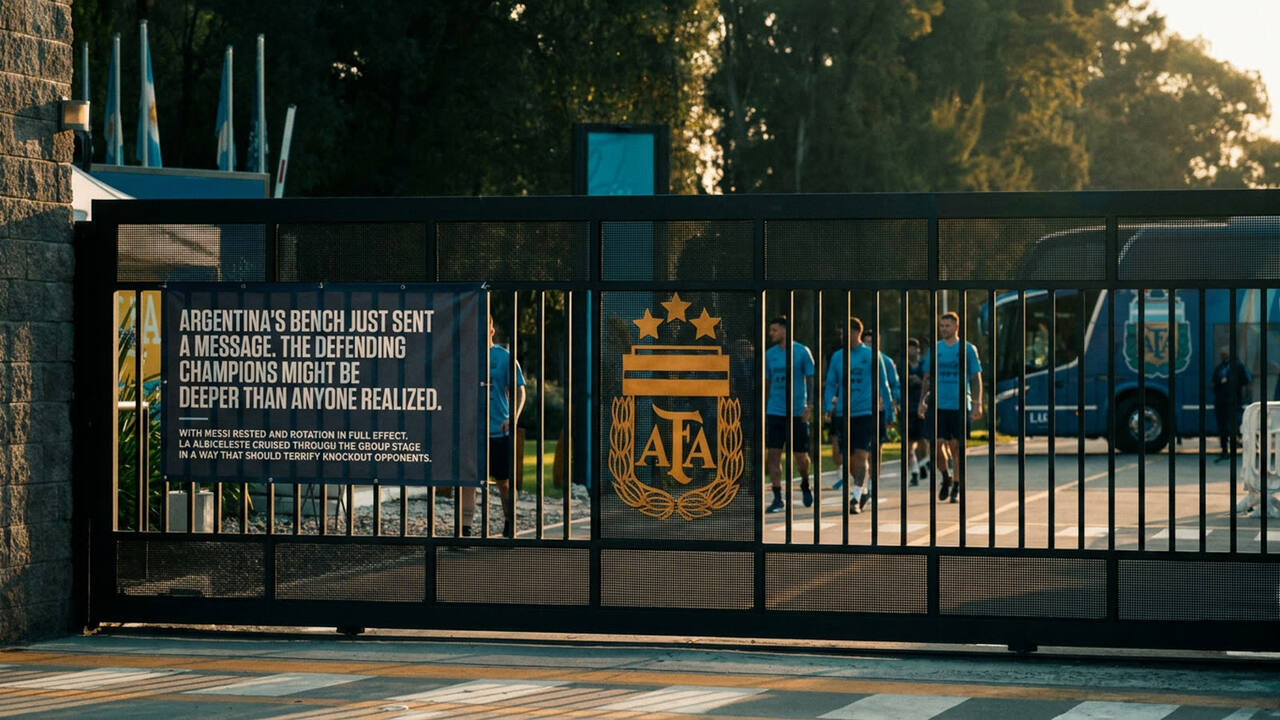
The 2022 edition provided a case study. Argentina entered as slight favorites, lost their opener to Saudi Arabia, and required a penalty shootout against the Netherlands in which Emiliano Martínez's gamesmanship mattered more than any regression model. Morocco reached the semifinals with a defensive structure that no algorithm would have predicted from their qualifying campaign. The models were not wrong about the inputs; they were wrong about what the inputs meant in that specific pressure cooker.
What the bracket actually tells us
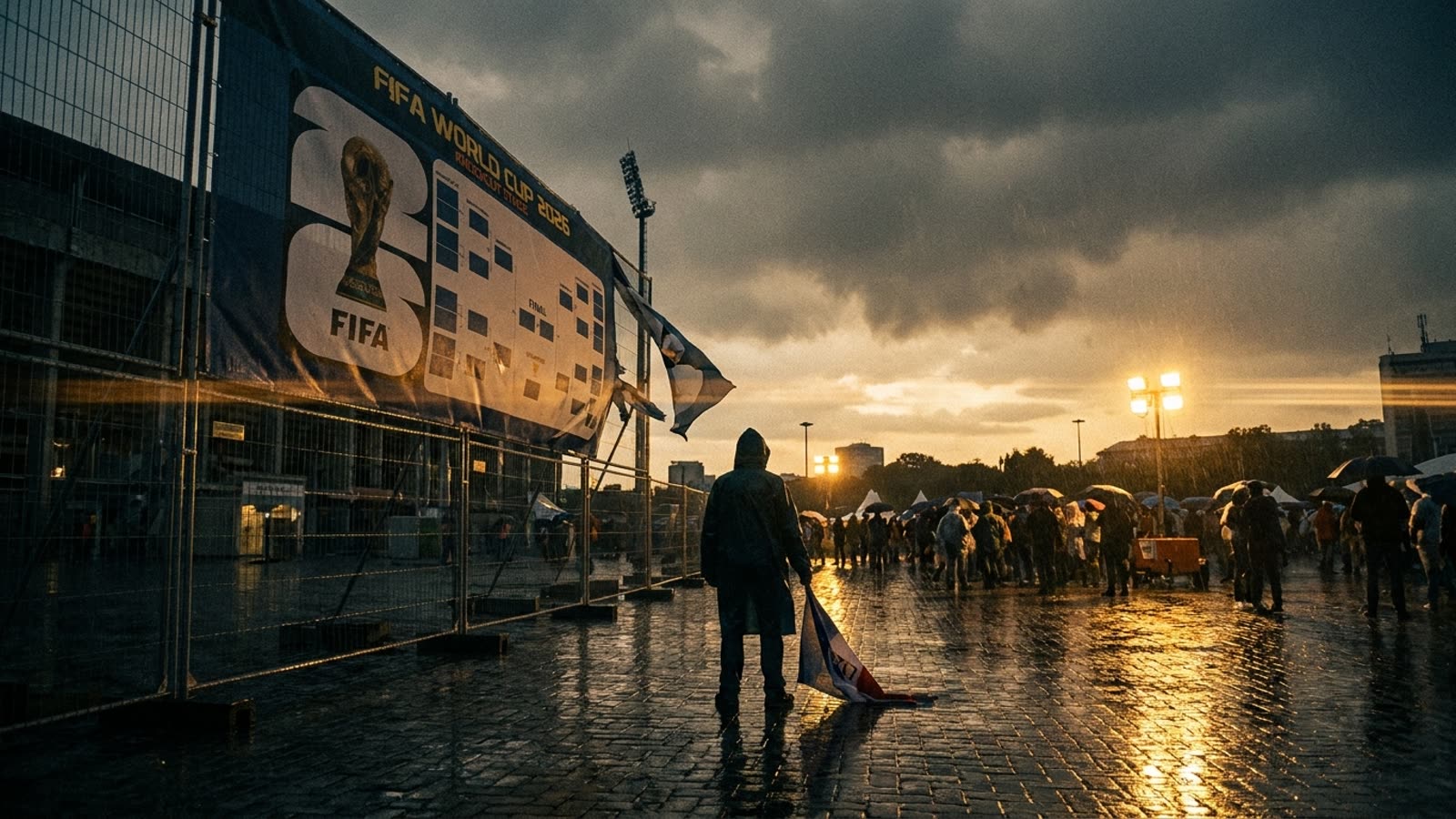
This year's knockout draw has produced the usual mix of apparent mismatches and potential classics. The traditional powers are mostly where the seeding suggested they would be. But seeding is a measurement of the past, and the World Cup is contested in an eternal present where a single deflection, a referee's interpretation, or a goalkeeper's guess can redirect history.
The teams that tend to survive are not necessarily the most talented on paper. They are the ones whose tournament identity crystallizes fastest—who figure out what kind of team they are under elimination pressure and commit to it completely. Spain's tiki-taka worked until it didn't. Italy's catenaccio worked until it didn't. The style matters less than the collective belief in it.
Our take
Fill out your bracket, by all means. The exercise is half the fun. But do it with the humility that history demands. The World Cup's greatest gift to football is its refusal to be solved. Every expert prediction is a small act of hubris that the tournament seems to take personally. The data says Argentina or France or whoever your model prefers. The data also said Germany would escape their group in 2018 and 2022. Chaos is not a bug in this system; it is the entire point.