The most predictable tournament in tennis has become its most volatile, and the sport is better for it.
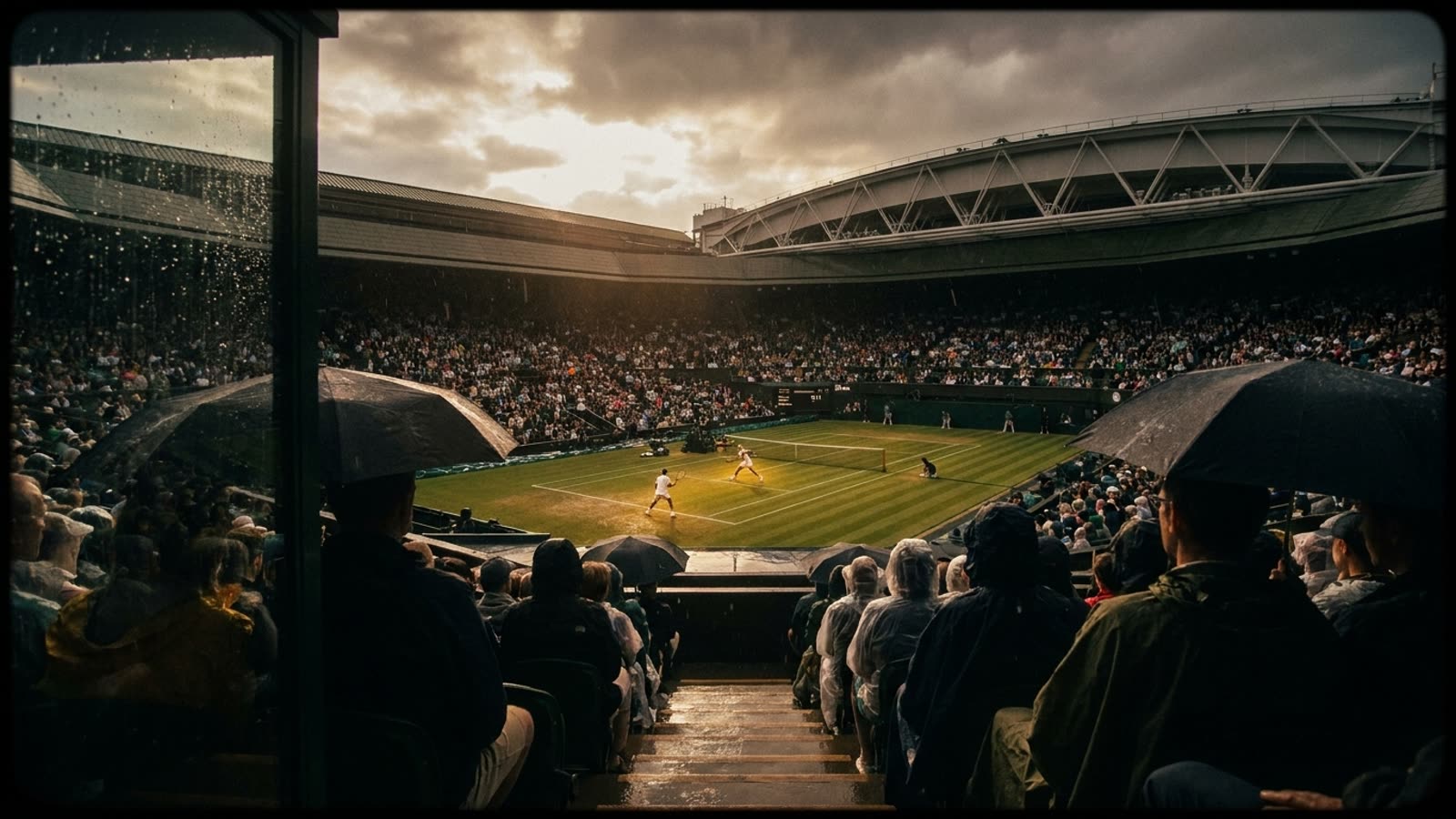
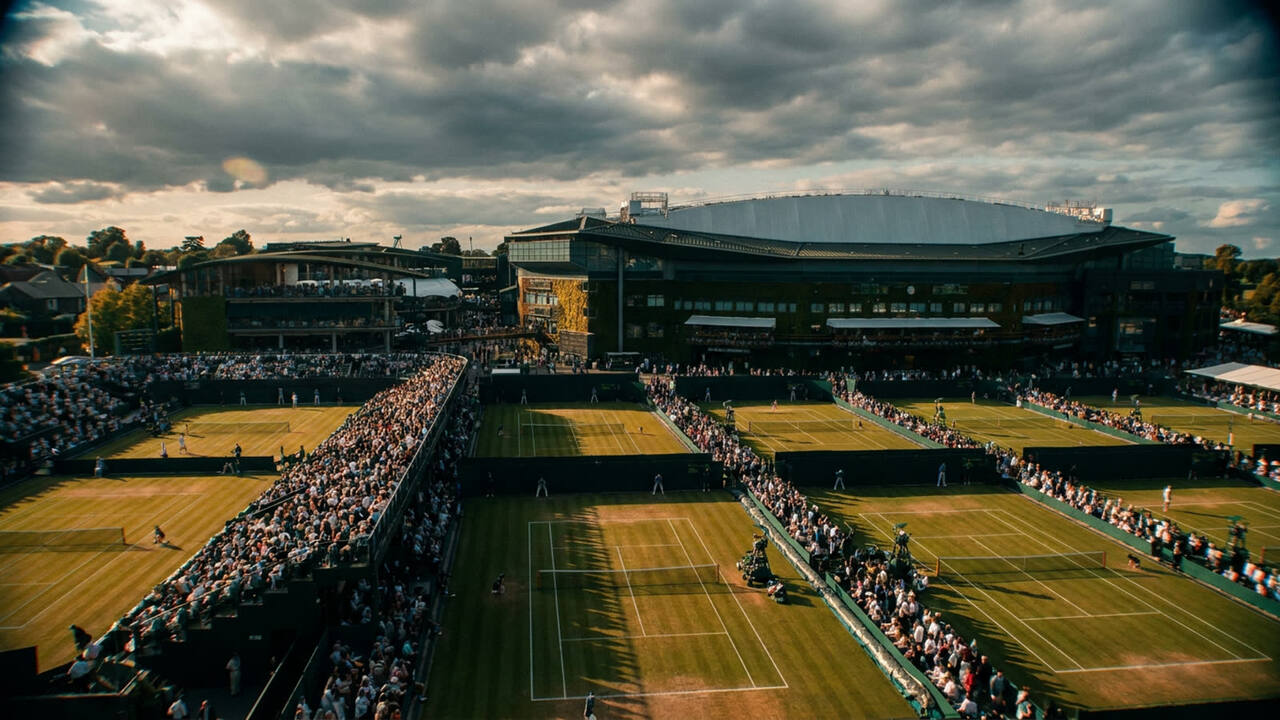
Wimbledon 2026 arrives at a peculiar inflection point. The men's draw lacks a prohibitive favorite for the first time since the early 2000s, while the women's field features at least eight players with legitimate title credentials. The result is a Championships that feels genuinely open in a way the grass-court major rarely has during the modern era.
The end of inevitability
For two decades, Wimbledon operated on a simple principle: one of three men would win. Roger Federer claimed eight titles, Novak Djokovic seven, Rafael Nadal two. Andy Murray added a pair of home victories. That quintet accounted for 19 of 21 Championships from 2003 to 2023. The bracket was a formality; the coronation was predetermined.
No longer. The post-Big Three transition that analysts predicted would take years has compressed into months. Carlos Alcaraz and Jannik Sinner have established themselves as the new elite, but neither has demonstrated the grass-court dominance their predecessors possessed. Alcaraz's 2023 and 2024 titles came against compromised opposition; Sinner has yet to solve the surface's peculiar demands. Behind them, a cluster of dangerous floaters—Holger Rune, Ben Shelton, Frances Tiafoe, Alexander Zverev—possess the serving power and net skills to steal sets from anyone.
The women's free-for-all
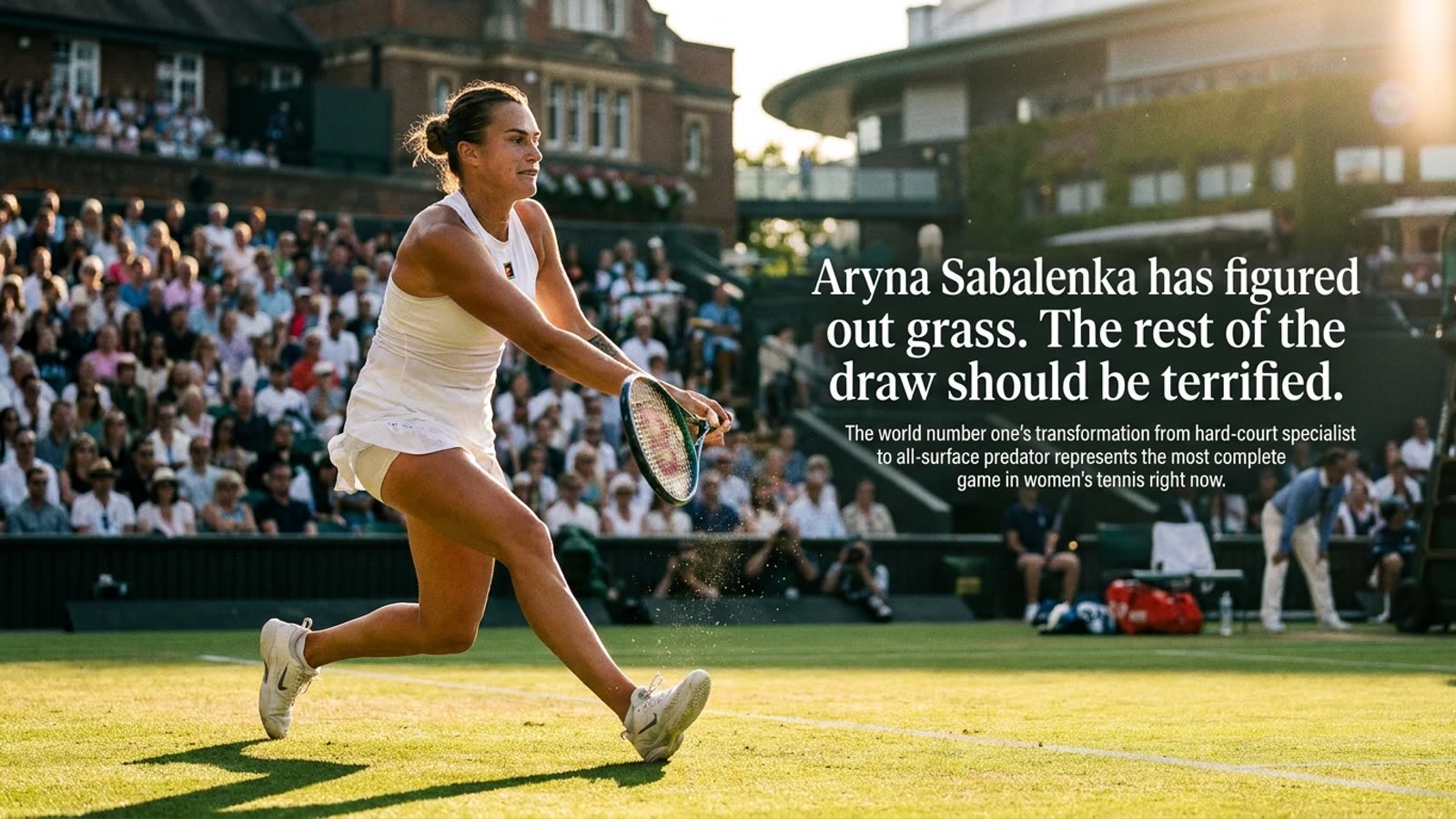
The women's draw presents an even starker picture of competitive balance. Aryna Sabalenka enters as the nominal favorite, her power game finally translating to grass after years of struggle. But Iga Swiatek's absence from true contention on this surface, combined with the resurgence of veterans and the emergence of new challengers, has created a bracket where upsets feel less like surprises than statistical inevitabilities.
The depth is remarkable. Elena Rybakina's serving remains the most devastating weapon in women's tennis. Coco Gauff has added variety to complement her athleticism. Jessica Pegula continues her late-career surge. And the perpetual wildcard of returning champions—players who know how to win Slams even when not playing their best tennis—adds another layer of unpredictability.
What openness reveals
Skeptics will argue that parity reflects a talent vacuum rather than competitive health. They're wrong. The current era features more players capable of winning majors than any period since the 1990s. What's changed isn't the ceiling—it's the floor. The gap between the top ten and the top fifty has narrowed dramatically, making every early-round match a potential minefield.
This matters beyond the sport itself. Tennis has struggled to replace its aging icons with comparably marketable successors. An unpredictable Wimbledon, where any given afternoon might produce the tournament's defining moment, generates the kind of appointment viewing the sport desperately needs.
Our take
The nostalgia industrial complex will mourn the absence of guaranteed greatness, the comfort of knowing Federer would glide into another final. But tennis needed this correction. Dynasties make for tidy narratives; chaos makes for compelling sport. Wimbledon 2026 may not produce a champion we'll remember in twenty years, but it will produce two weeks of genuine uncertainty—and that's worth more than another coronation.