The Aperol Spritz is not a particularly good drink. This is not a controversial opinion among serious bartenders, who tend to regard it as training wheels for people who think they want a cocktail but actually want orange soda with a buzz. The proportions are forgiving to the point of meaninglessness—three parts prosecco, two parts Aperol, one part soda, though no one is measuring—and the flavor profile lands somewhere between cough syrup and a Creamsicle left in the sun. And yet this unpretentious, day-glo concoction has become perhaps the most culturally significant cocktail of the past two decades, a drink that sells not taste but vibe, and in doing so rewrote the rules of how spirits brands build desire.
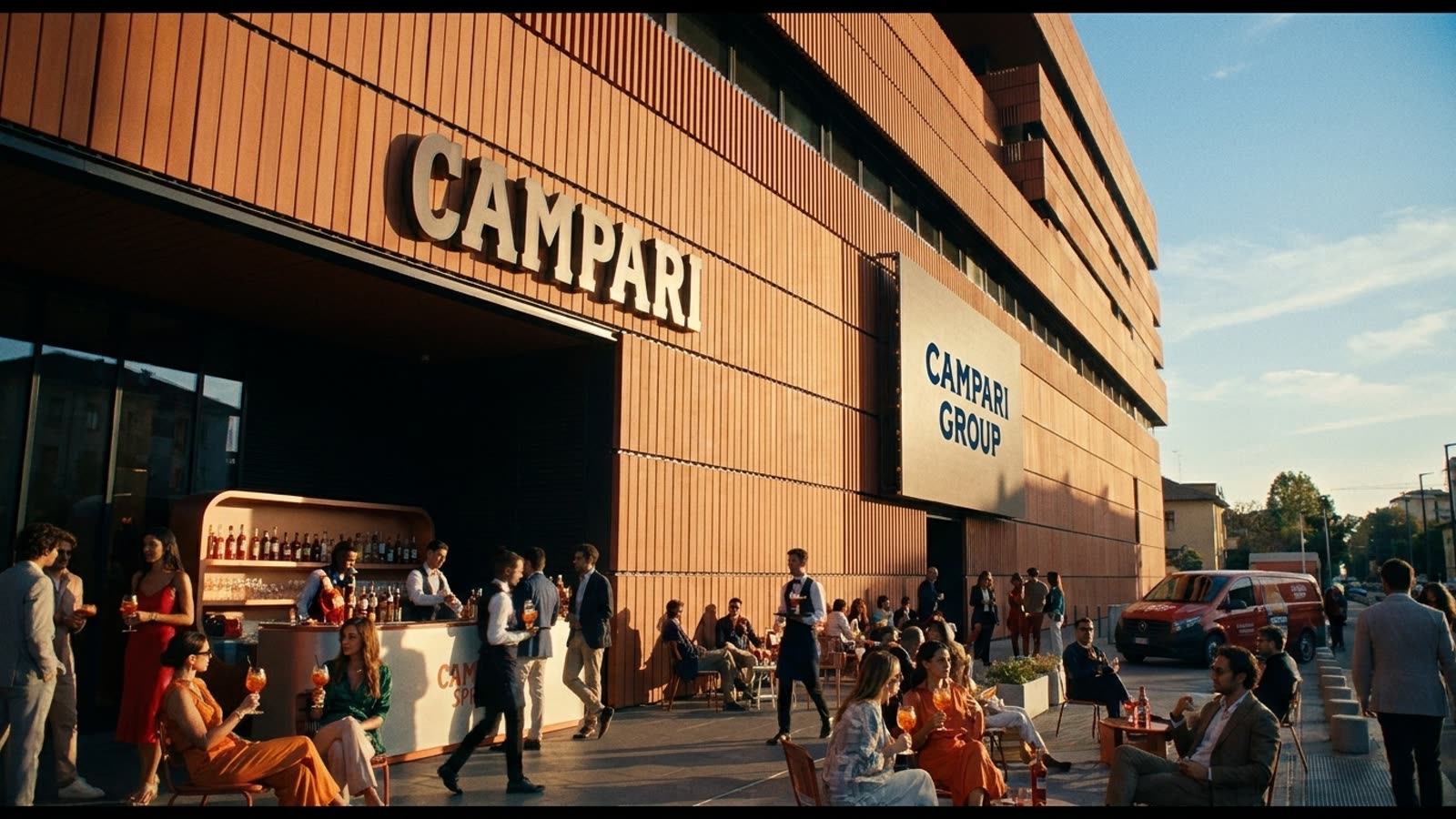
The genius of the Spritz lies in understanding that modern consumers don't buy beverages; they buy membership in a lifestyle. Campari Group, which acquired Aperol in 2003, recognized that the drink's greatest asset wasn't its botanical recipe—gentian, rhubarb, and cinchona among the bittering agents—but its Venetian context. The aperitivo hour, that golden interlude between work and dinner when Italians gather in piazzas to drink something light and eat something salty, represented everything harried professionals in London and New York and Sydney believed they were missing: conviviality without obligation, pleasure without guilt, the European knack for treating time as something to savor rather than optimize.
The color that launched a thousand feeds
Aperol's signature orange is no accident of chemistry. The hue photographs exceptionally well, particularly in natural light, particularly against Mediterranean backdrops of terracotta and bougainvillea. Before Instagram existed, Campari Group was already positioning the Spritz as a visual experience, but the platform's rise turned the drink into a genuine phenomenon. By the mid-2010s, the Spritz had become a signifier so potent it barely needed the drink itself—an orange cocktail in a stemmed glass, preferably on a table overlooking water, communicated an entire aspirational identity. You were the kind of person who took long European holidays, who understood la dolce vita, who had somehow escaped the Protestant work ethic that kept everyone else chained to their desks.
Manufacturing authenticity at scale
The paradox of the Spritz's success is that its "authenticity" is largely a marketing construction. The drink in its modern form dates only to the post-World War II era, when American soldiers in the Veneto found local wines too strong and asked bartenders to "spritz" them with water. Aperol itself was invented in 1919, but it remained a regional curiosity for decades, overshadowed by its more assertive cousin Campari. The specific three-two-one formula now treated as canonical was standardized relatively recently, essentially a brand guideline dressed up as tradition.
None of this diminishes the drink's cultural achievement. Campari Group understood that in an age of mass production, the appearance of artisanal heritage matters more than the reality. They didn't invent a tradition so much as excavate and amplify one, giving consumers permission to participate in something that felt rooted and real. The Spritz became a gateway drug to broader Italian aperitivo culture, driving sales of everything from Negroni ingredients to tinned anchovies.
Our take
The Aperol Spritz is a case study in selling emotion rather than product, and its triumph should make every luxury brand pay attention. People will pay a premium for permission to slow down, for a prop that signals they've cracked some code of living well. That the drink itself is almost beside the point—too sweet for purists, too weak for serious drinkers—is precisely what makes it so accessible and therefore so successful. The Spritz doesn't ask you to develop a palate; it asks you to buy a fantasy. In an exhausted world, that turns out to be an extremely easy sell.