Roger Federer won twenty Grand Slam singles titles, moved with the grace of a dancer, and retired as perhaps the most beloved athlete of his generation. He was not, in any meaningful commercial or cultural sense, Michael Jordan. Neither was Rafael Nadal, nor Novak Djokovic, nor Serena Williams—despite their comparable or superior athletic achievements. Tennis has spent decades producing icons. It has never produced an emperor.
The distinction matters because it illuminates something fundamental about how sports build mythology. Jordan did not merely win; he owned basketball's narrative for a decade, controlled its aesthetic vocabulary, and extracted wealth from it at a scale that reshaped athlete economics permanently. Tennis champions, even dominant ones, remain renters in their own sport.
The structural problem
Tennis operates on a fragmented calendar across multiple surfaces, governed by competing organizations with misaligned incentives. The ATP, WTA, ITF, and four Grand Slam tournaments each protect their own equity. No single entity can anoint a face of the sport the way the NBA marketed Jordan or the PGA elevated Tiger Woods. When Federer was at his peak, he was simultaneously promoting the Australian Open, Roland Garros, Wimbledon, the US Open, the ATP Tour, and his personal sponsors—none of whom shared a unified interest in making him bigger than the sport itself.
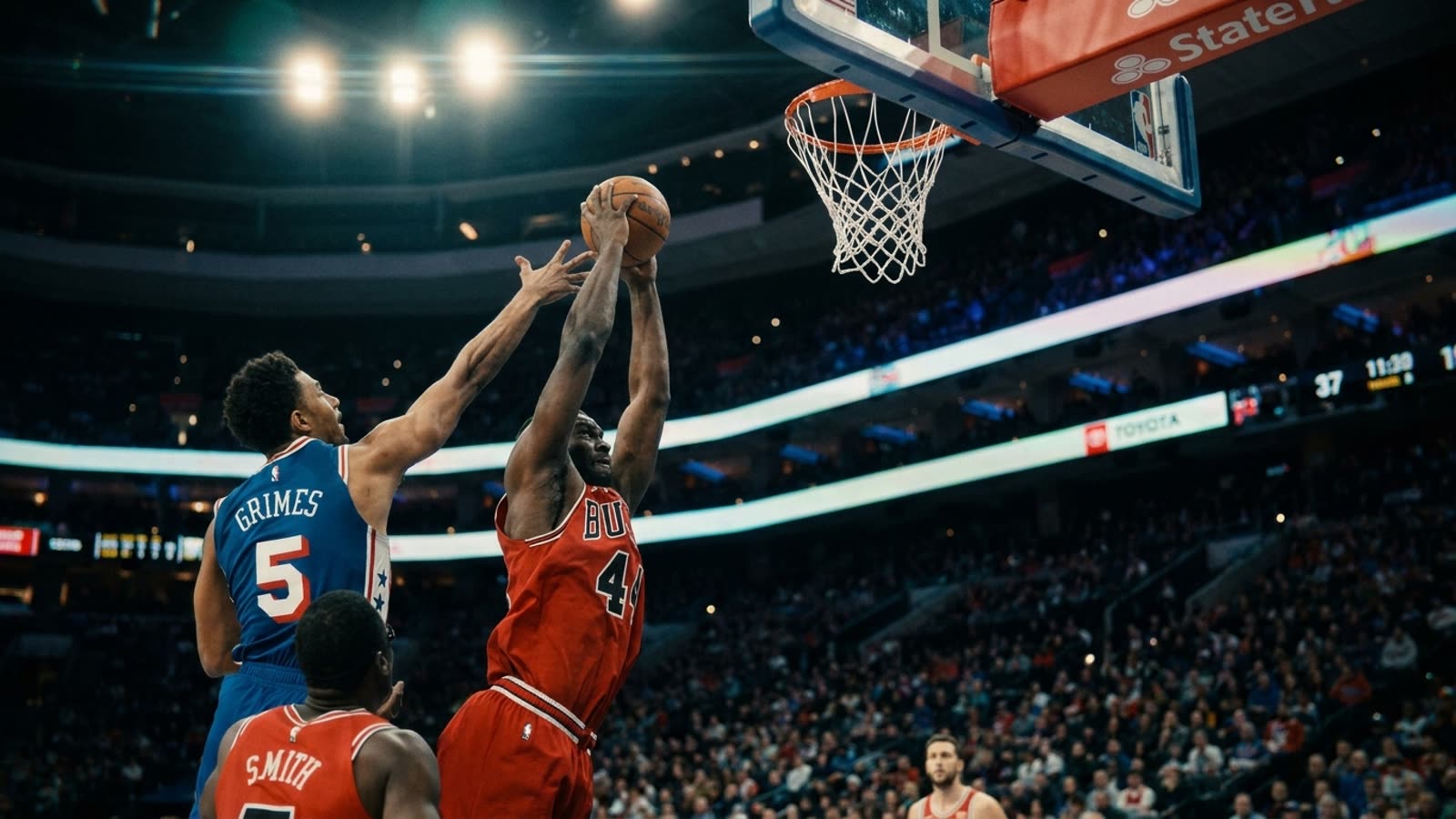
The individual nature of tennis compounds this. Team sports create tribal loyalties that translate into merchandise sales, television ratings, and generational fandom. A Bulls fan in 1996 bought Jordan jerseys, watched every game, and passed that allegiance to their children. A Federer fan bought a racquet once and watched perhaps twenty matches a year. The commercial infrastructure for dynasty-building simply does not exist.
The rivalry trap
Paradoxically, tennis's greatest era may have diluted its stars rather than elevated them. The Federer-Nadal-Djokovic triumvirate produced extraordinary theater, but it also meant no single player could claim uncontested supremacy for long. Jordan's Bulls faced worthy opponents; they did not face two other dynasties simultaneously rewriting the record books. Each tennis legend's narrative was perpetually interrupted by the others.
This created wonderful sport but middling mythology. Casual fans—the ones who drive true crossover stardom—struggle to invest in a champion who might lose to his equal next month. Jordan's six championships came with six Finals MVPs and zero Finals losses. That clean narrative arc is impossible in tennis, where surface specialists, scheduling luck, and the sheer volume of events create messier legacies.
The money follows structure
Federer earned handsomely, reportedly generating several hundred million dollars in career prize money and endorsements combined. But compare this to Jordan's ongoing empire—the brand that still generates billions annually, the ownership stake, the cultural permanence. Tennis wealth is substantial but bounded. The sport's structure caps its upside.
Williams came closest to transcendence, her dominance intersecting with broader cultural conversations about race, gender, and athletic motherhood. Yet even she remained primarily a tennis star who crossed over, not a cultural force who happened to play tennis. The distinction is subtle but economically vast.
Our take
Tennis will continue producing magnificent athletes and even genuine celebrities. What it cannot produce—absent radical structural consolidation that no governing body wants—is the kind of singular, decade-defining commercial colossus that basketball, golf, and even soccer have managed. The sport is too democratic, too fragmented, too resistant to coronation. This is, depending on your perspective, either tennis's great flaw or its quiet virtue. The game remains bigger than any player. Whether that's a feature or a bug depends on whether you're a purist or an investor.