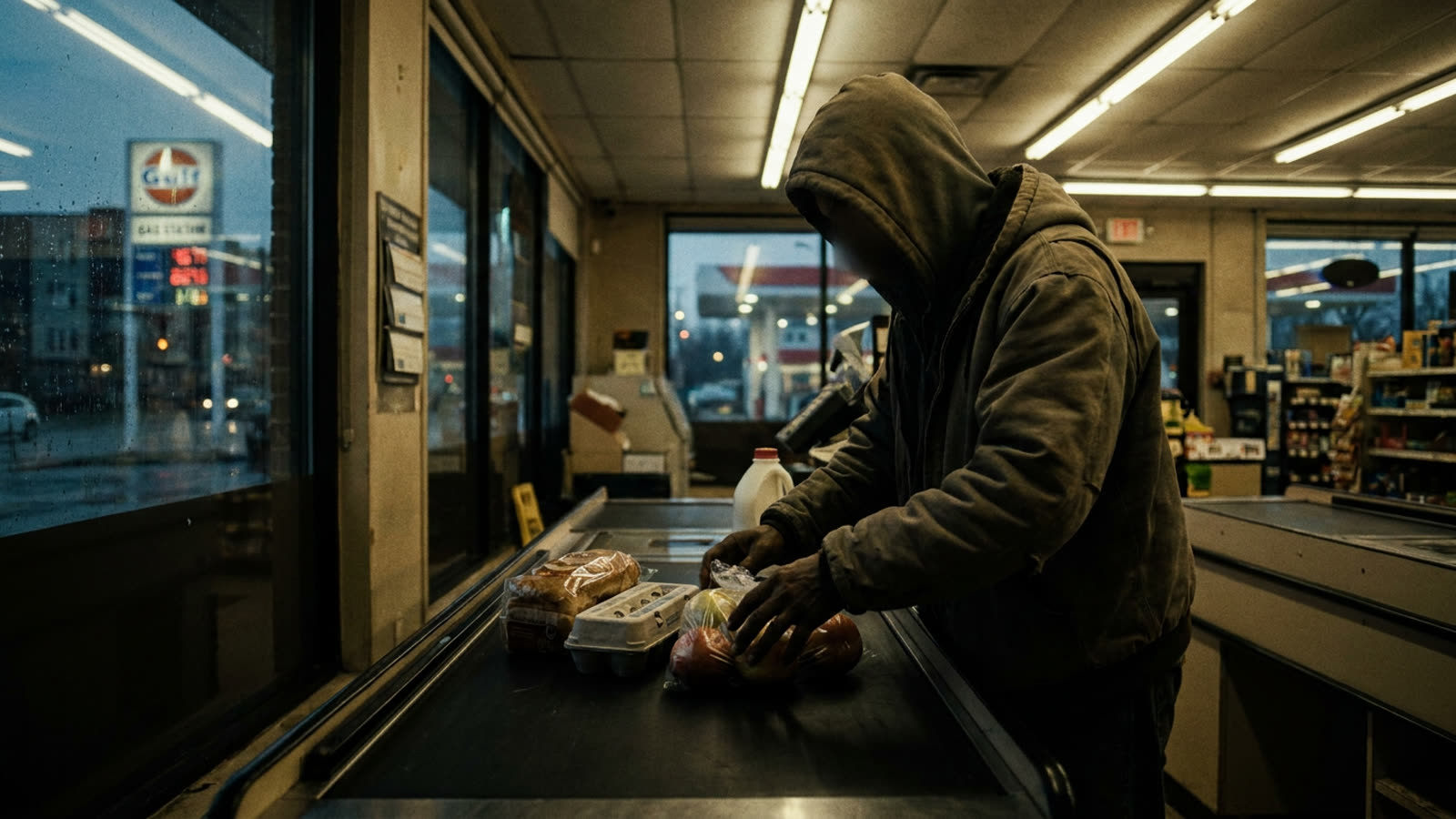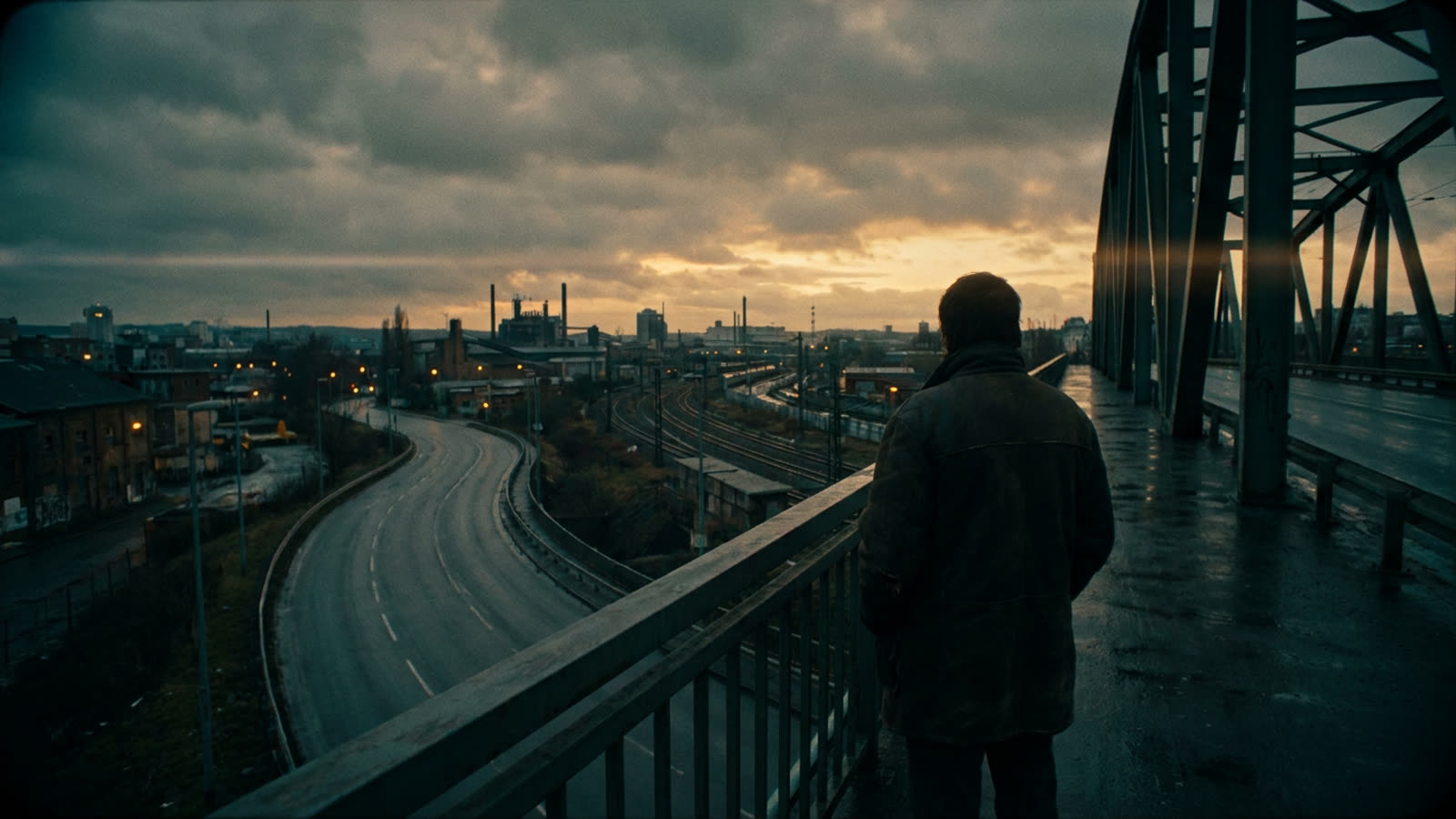
The National Bureau of Economic Research, the unofficial arbiter of American business cycles, declared the Great Recession over in June 2009. By that measure, the downturn lasted eighteen months. Ask anyone who lived through it when things felt normal again, and you will hear answers stretching into 2014, 2015, or later. This is not collective misremembering. It is a fundamental feature of how economies heal and how humans experience that healing.
The discrepancy matters enormously. It shapes elections, fuels populist movements, and explains why voters often punish incumbents even when the macroeconomic data looks favorable. Understanding the asymmetry between measured recovery and felt recovery is essential to understanding modern political economy.
The mathematics of loss and gain
A simple arithmetic truth underpins the phenomenon. If an economy contracts by ten percent, it must subsequently grow by more than eleven percent just to return to its previous level. But the math only begins to explain the asymmetry. Labor markets recover more slowly than output because businesses, having learned to operate leaner during downturns, are reluctant to rehire until demand proves durable. The jobs that return are often different from the jobs that vanished — different industries, different locations, different skill requirements.
Wealth effects compound the problem. Housing values and retirement portfolios may take years to recover their nominal peaks, and even longer to recover their inflation-adjusted purchasing power. A household that watched its net worth halve during a crisis does not feel whole again when the portfolio returns to its previous number; by then, the cost of college, healthcare, and housing has continued its upward march.
The scar tissue of uncertainty
Economists have documented what they call "hysteresis" — the tendency of temporary shocks to leave permanent marks. Workers who lose jobs during recessions often experience lower earnings for years afterward, even after reemployment. Young people who graduate into weak labor markets carry wage penalties throughout their careers. Businesses that defer investment during downturns may never fully catch up to competitors who maintained their capital spending.
But the deepest scars may be psychological. The experience of economic precarity — of watching colleagues laid off, of wondering whether one's own position is secure — changes behavior in ways that persist long after the statistical all-clear. Households that lived through severe downturns tend to save more, borrow less, and consume more cautiously for years afterward. This is individually rational but collectively contractionary, slowing the very recovery that might restore confidence.
The political half-life of hard times
The lag between statistical recovery and felt prosperity creates a peculiar political dynamic. Leaders who inherit crises often receive credit for the eventual upturn, while those who preside over the painful middle period — when the recession is technically over but prosperity remains elusive — face voter wrath. The pattern recurs across countries and decades.
This timing mismatch also explains why economic anxiety persists even during periods of strong headline growth. If the benefits of recovery accrue first to asset owners and later to wage earners, a substantial portion of the population may experience years of expansion as merely treading water.
Our take
The gap between economic measurement and economic experience is not a failure of statistics but a limitation of what statistics can capture. GDP measures output; it does not measure security, stability, or the slow restoration of shattered plans. Until policymakers take seriously the difference between ending a recession and ending its effects, they will continue to be surprised by electorates that refuse to celebrate recoveries they cannot feel.