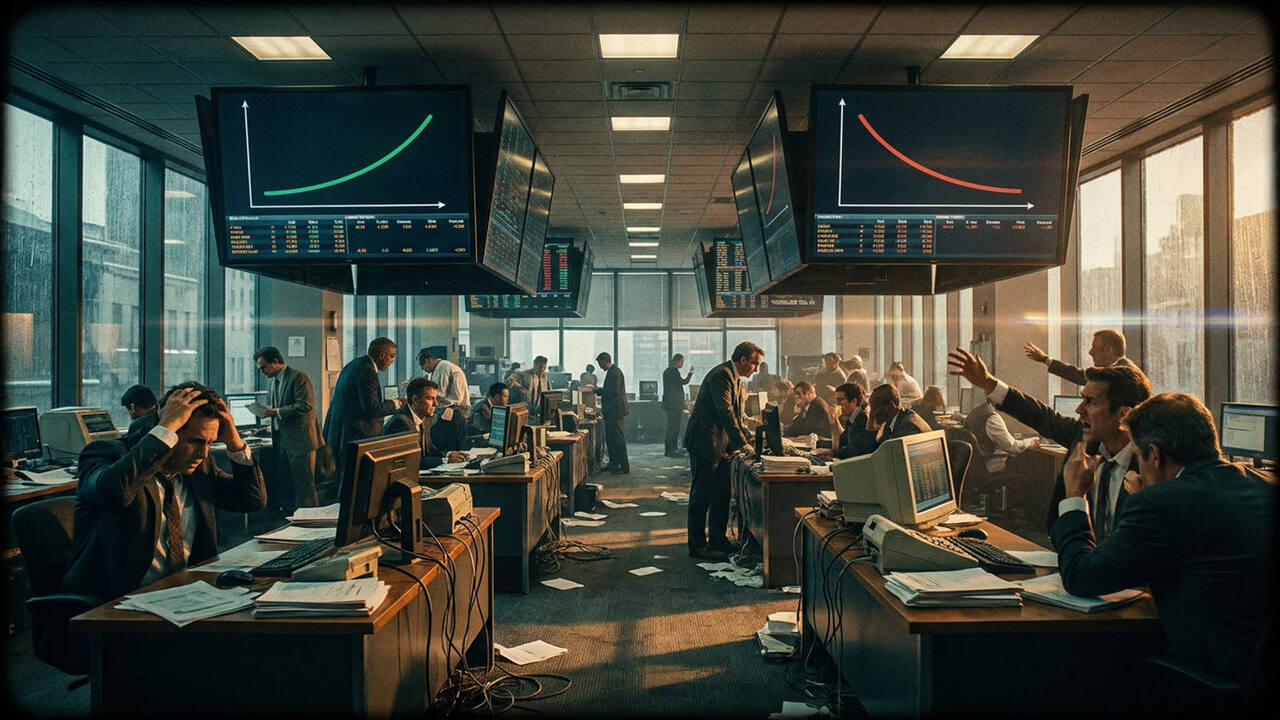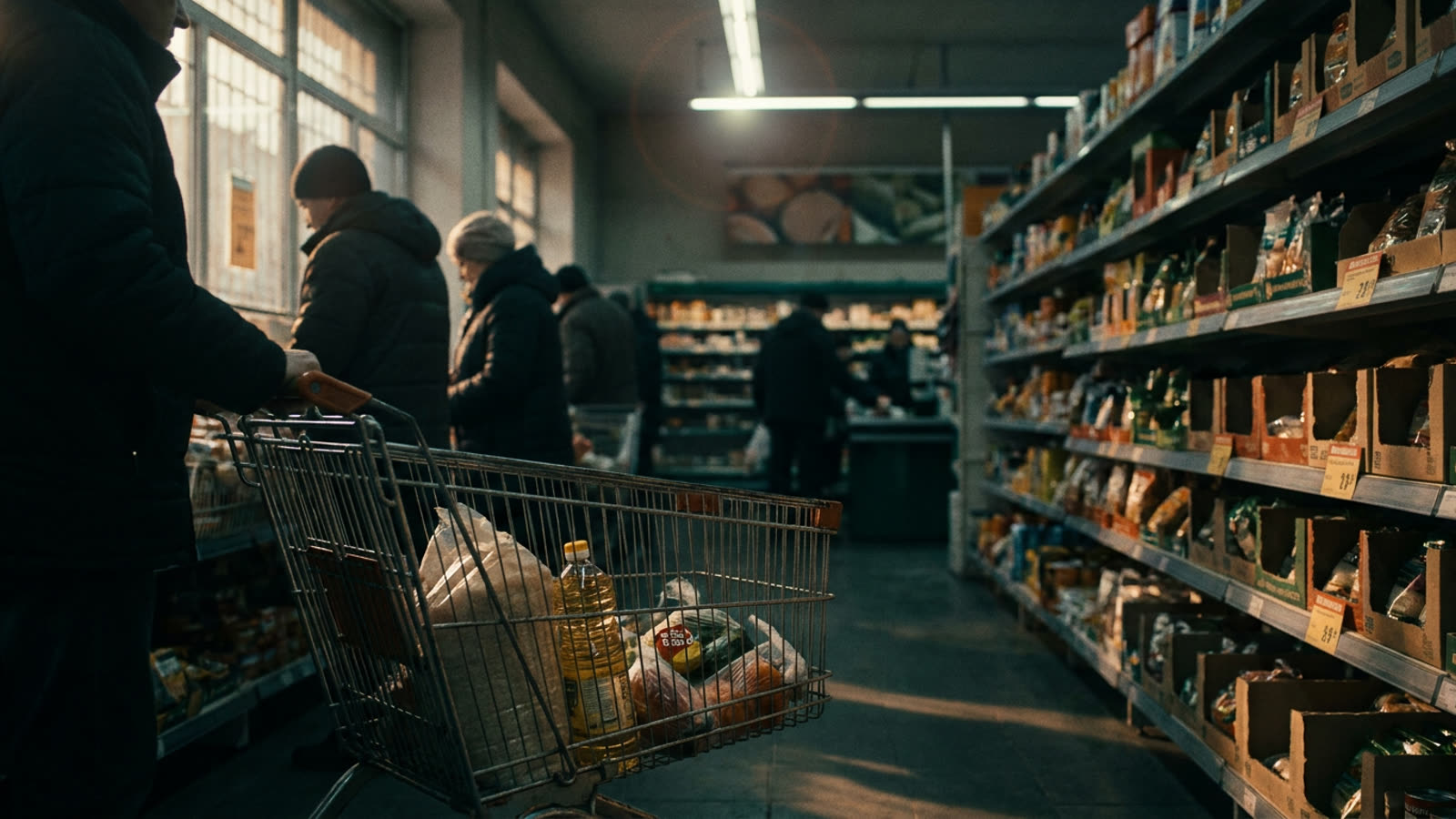
There is a persistent, gnawing suspicion among people who buy groceries, pay rent, and fill prescriptions that economists are lying to them about inflation. The government says prices rose three percent; the bank statement says otherwise. This is not paranoia, nor is it statistical illiteracy. It is the predictable result of measuring an economy-wide average and comparing it to the deeply particular experience of being a specific human with specific needs.
The gap between headline inflation and felt inflation is one of the most politically potent phenomena in modern economics, and understanding why it exists is the first step toward not losing your mind every time an official announces that price pressures are "moderating."
The basket problem
Consumer price indices work by tracking a representative basket of goods and services, weighted according to how the average household spends its money. The trouble is that no household is average. A retiree on a fixed income spends a far larger share on healthcare and utilities than a twenty-five-year-old splitting rent with roommates. A family with young children is disproportionately exposed to the cost of eggs, milk, and diapers. A car-dependent commuter feels gasoline prices in a way that a Manhattanite with a subway pass simply does not.
When the prices of necessities—food, shelter, energy, medicine—rise faster than the prices of discretionary goods like electronics or airline tickets, the statistical average undersells the pain experienced by lower- and middle-income households. And for much of the past several years, that is precisely what has happened. Economists call this "inflation inequality," and it is remarkably consistent: the less money you have, the higher your personal inflation rate tends to be.
Frequency bias and loss aversion
Psychology compounds the arithmetic. Humans notice price increases on items they purchase frequently—a carton of eggs, a cup of coffee—far more than they notice equivalent increases on items they buy once a year, like a television. A ten-percent rise in egg prices registers viscerally every week; a ten-percent drop in laptop prices registers once, if ever.
There is also the stubborn asymmetry of memory. We encode losses more vividly than gains. The price of gasoline doubling sticks in the mind; the price of gasoline halving fades. This is not irrationality. It is the brain doing exactly what evolution designed it to do: pay close attention to threats. Rising prices are threats. Falling prices are merely the absence of a threat, and the brain is not wired to celebrate absences.
The shelter distortion
Housing is the single largest expense for most households, and it is also the category where official statistics diverge most dramatically from lived experience. In the United States, the Bureau of Labor Statistics uses a concept called "owners' equivalent rent"—essentially an estimate of what homeowners would pay to rent their own homes. This smooths out the wild swings in actual housing markets and lags real-time conditions by many months, sometimes more than a year.
If you signed a new lease or bought a home during a period of rapid price appreciation, you experienced a shock that the official data took ages to reflect. By the time the index caught up, policymakers were already congratulating themselves on progress you had not yet felt. The mismatch breeds cynicism, and the cynicism is earned.
Our take
Inflation statistics are not lies, but they are abstractions, and abstractions have limits. The number that matters to you is your inflation rate—the one determined by your rent, your commute, your diet, your medical needs. Policymakers would do well to remember that when they speak of cooling prices, millions of people are still waiting for the relief to arrive at their front door. The gap between the index and the invoice is not a failure of perception. It is a failure of communication, and it has political consequences that economists ignore at their peril.