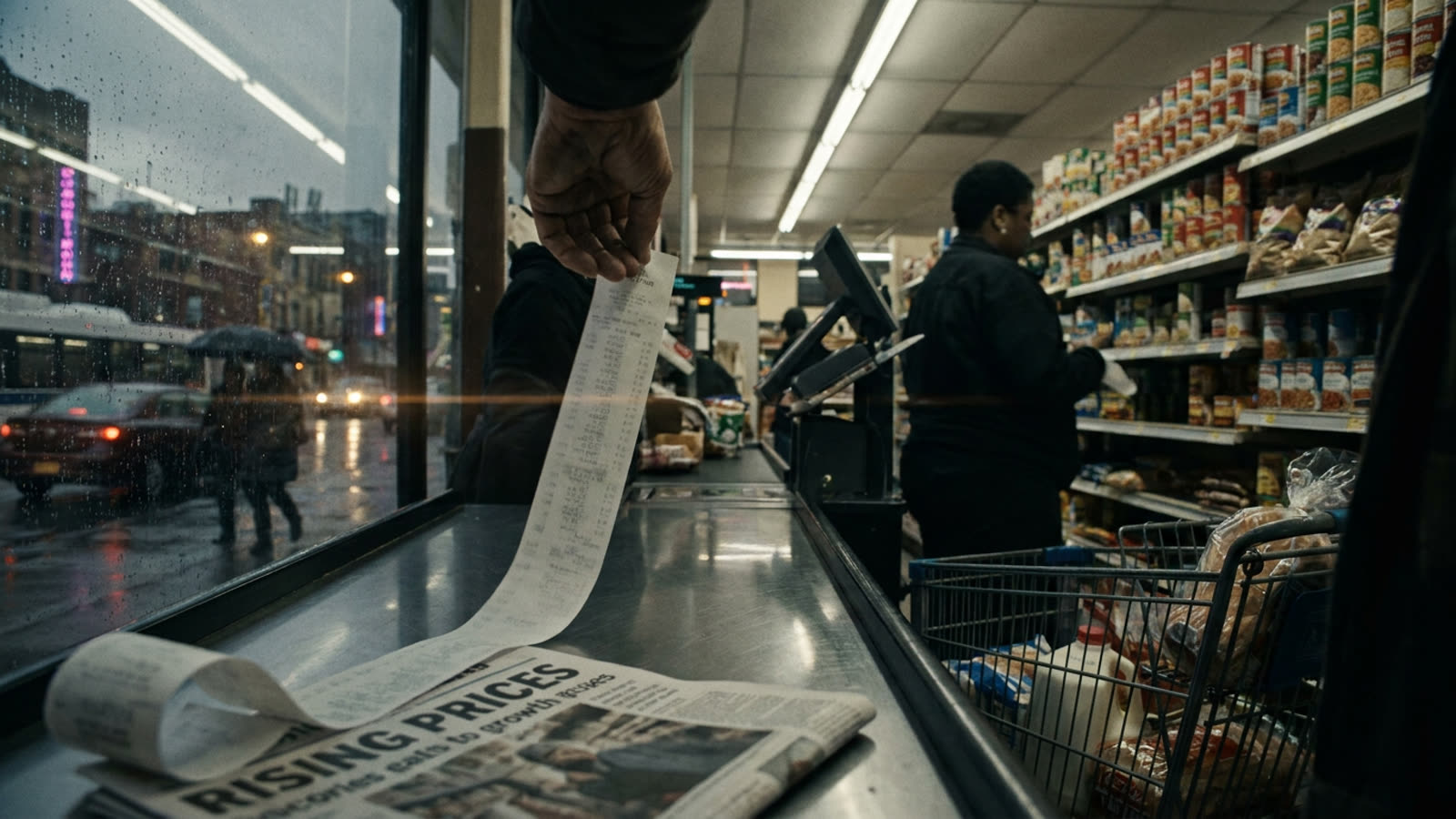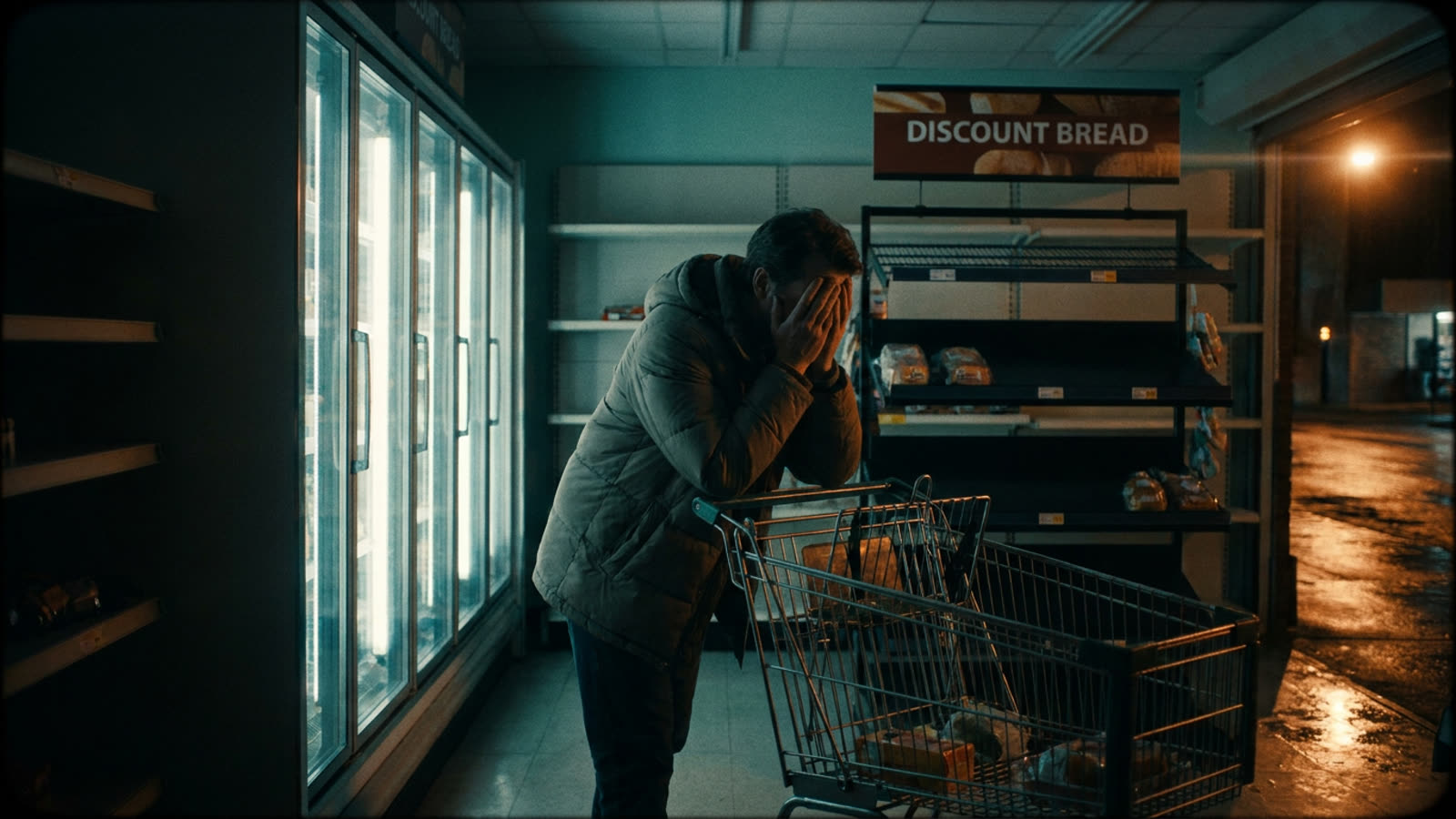
The disconnect between what economists measure and what shoppers feel has never been wider, and the explanation lies not in statistical manipulation but in the peculiar architecture of human memory.
When central banks report that inflation has cooled to target levels, the public response is often disbelief bordering on contempt. Voters insist their lived experience contradicts the data. Politicians seize on this frustration. Economists, meanwhile, check their spreadsheets and shrug. Both sides are correct, which is precisely the problem.
The asymmetry of price memory
Human beings are exquisitely calibrated to notice losses and remarkably poor at registering equivalent gains. Behavioral economists call this loss aversion, and it operates with particular force in the supermarket aisle. When the price of eggs doubles during a supply shock, that trauma embeds itself in long-term memory. When egg prices subsequently fall by thirty percent, the brain files this under "expected" and moves on.
This asymmetry compounds over time. A decade of modest inflation punctuated by a few sharp spikes will feel, in retrospect, like relentless price increases. The quiet months when nothing changed simply vanish from the record. What remains is a highlight reel of insults to the household budget.
Frequency matters too. Consumers encounter grocery prices weekly, petrol prices several times a month, rent once a month, and the cost of a new refrigerator once every several years. The items purchased most often therefore dominate psychological inflation regardless of their weight in the official basket. Statisticians adjust for expenditure shares; the human mind does not.
Reference points and the ratchet effect
Prices also suffer from what might be called the ratchet problem. Once a consumer has seen a particular item at a particular price, that number becomes a reference point against which all future prices are judged. If coffee cost a certain amount in some remembered golden age, any higher price feels like an injustice, even if incomes have risen proportionally.
This reference-point anchoring explains why deflation, despite its appeal in theory, tends to unnerve consumers rather than delight them. Falling prices signal economic distress; rising prices signal greed. There is no neutral ground. The psychology of price perception is fundamentally adversarial.
Compounding the problem is the invisibility of quality adjustment. When statisticians calculate inflation, they attempt to account for improvements in products—a smartphone that costs the same as last year's model but runs faster represents, in hedonic terms, a price decline. Consumers do not experience this adjustment. They see the same number on the receipt and conclude that nothing has changed, or worse, that they are being cheated of the improvement they were promised.
Why the gap is widening
Several forces have conspired to widen the perception gap in recent years. Social media amplifies price complaints while muting satisfaction. Shrinkflation—reducing package sizes while holding prices steady—exploits the limits of consumer attention but eventually gets noticed, breeding cynicism. And the shift toward services, whose prices are harder to track than physical goods, leaves households with a vaguer but more anxious sense that everything costs more than it should.
The political consequences are significant. Governments that rely on official statistics to claim economic success find themselves accused of lying. Central banks that tighten policy based on measured inflation face accusations of indifference to real hardship. The credibility gap between institutions and citizens grows.
Our take
The solution is not to abandon rigorous measurement in favor of vibes, but to acknowledge that perception is itself an economic variable. A public that feels poorer will spend like a poorer public, vote like a poorer public, and trust institutions like a poorer public. Inflation indices are indispensable tools, but they were never designed to capture the full weight of economic experience. The numbers are not wrong. They are simply incomplete, and pretending otherwise has become a political liability that no amount of decimal-point precision can fix.