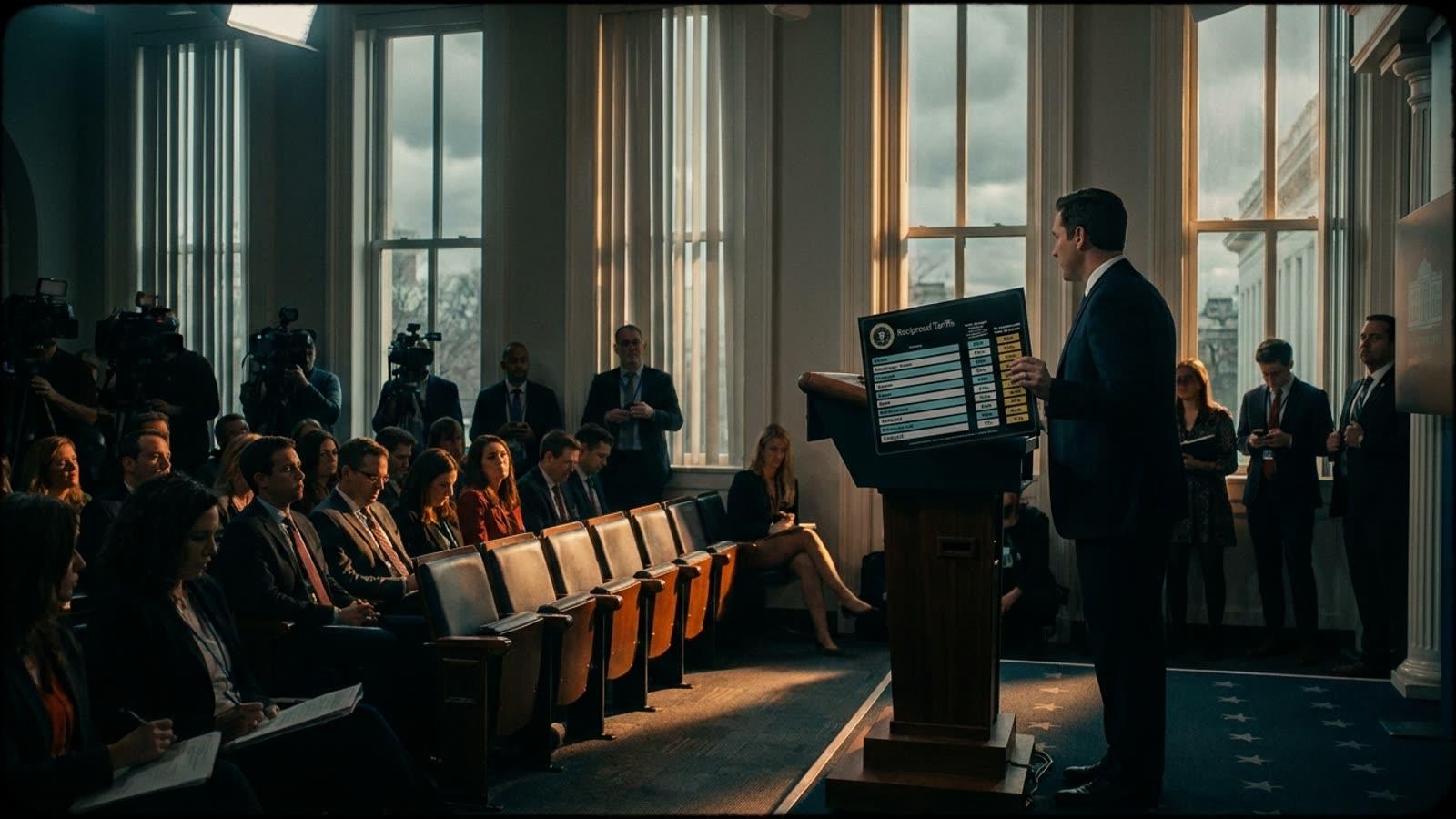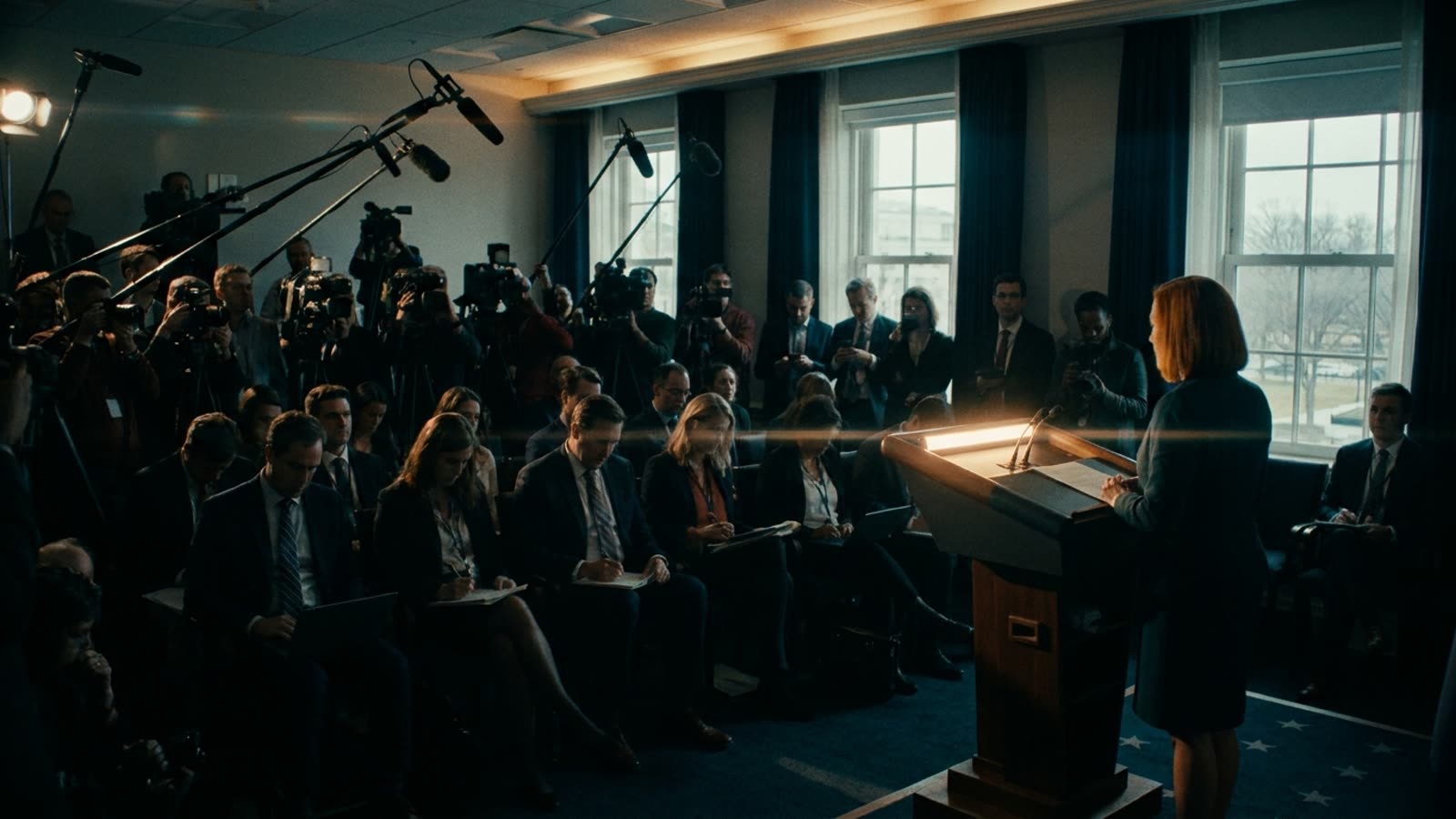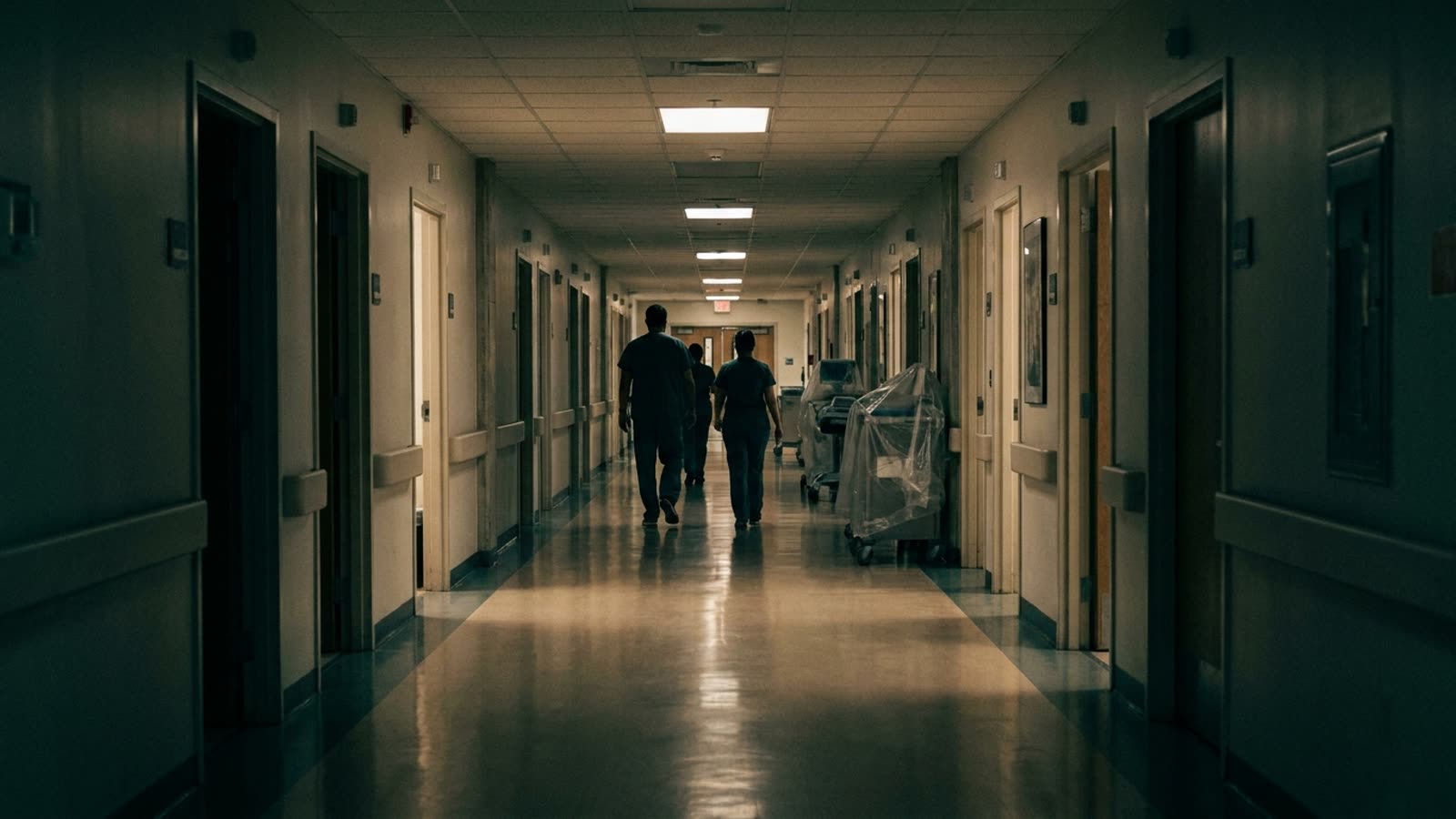
Every president since Jimmy Carter has, at some point during their tenure, authorized the release of a medical summary to the public. The tradition was never legally mandated—Article II says nothing about cholesterol levels—but it became a fixture of democratic accountability, a gesture that said: the person with nuclear codes is, at minimum, physically capable of the job.
That tradition ended this week. The White House confirmed it will not release a medical report for the current presidential term, offering no timeline and no explanation beyond boilerplate about "privacy." The decision is striking not for what it reveals but for what it refuses to reveal, and for the political calculation embedded in that refusal.
The norm that wasn't
Presidential health disclosure has always been voluntary, which made its persistence all the more remarkable. Ronald Reagan released details after his colon cancer surgery. Bill Clinton's physician published annual summaries. George W. Bush, Barack Obama, and Joe Biden all submitted to the ritual, understanding that the appearance of vigor matters almost as much as vigor itself.
The practice survived because it served both parties' interests: incumbents could project strength, and challengers could demand transparency without seeming paranoid. Breaking the norm carries an implicit admission that disclosure would be more damaging than stonewalling.
What silence communicates
The White House framed the decision as a privacy matter, but presidents surrender most privacy claims upon taking office. Their tax returns, their schedules, their phone calls with foreign leaders—all become subjects of legitimate public interest. Health is arguably more fundamental: cognitive and physical capacity directly affect the ability to execute the office.
By declining to release any information, the administration has shifted the burden of proof. Speculation will fill the vacuum. Every stumble, every verbal slip, every canceled appearance will be parsed for medical significance. The White House has, paradoxically, made health a bigger story by refusing to discuss it.
The political math
The calculation appears to be that the base will accept silence and critics will criticize regardless. In a polarized environment, transparency offers diminishing returns: supporters don't need reassurance, and opponents won't be satisfied by anything short of a hostile diagnosis. Better, the thinking goes, to control the narrative by having no narrative at all.
This logic has a certain cynical coherence, but it assumes the median voter is as tribal as the flanks. Historically, voters in competitive districts have responded to transparency as a proxy for trustworthiness. The gamble is that those voters no longer exist in sufficient numbers to matter.
Our take
Norms die quietly, one precedent at a time. The medical-report tradition was never about catching a president in a lie; it was about establishing that the office remains accountable to the public even in matters the Constitution does not explicitly address. Abandoning it signals that accountability is now optional—a feature, not a bug, of the current political settlement. The silence may be legal, but it is not reassuring, and the administration's confidence that no one will punish them for it tells us something unflattering about the electorate they believe they're governing.