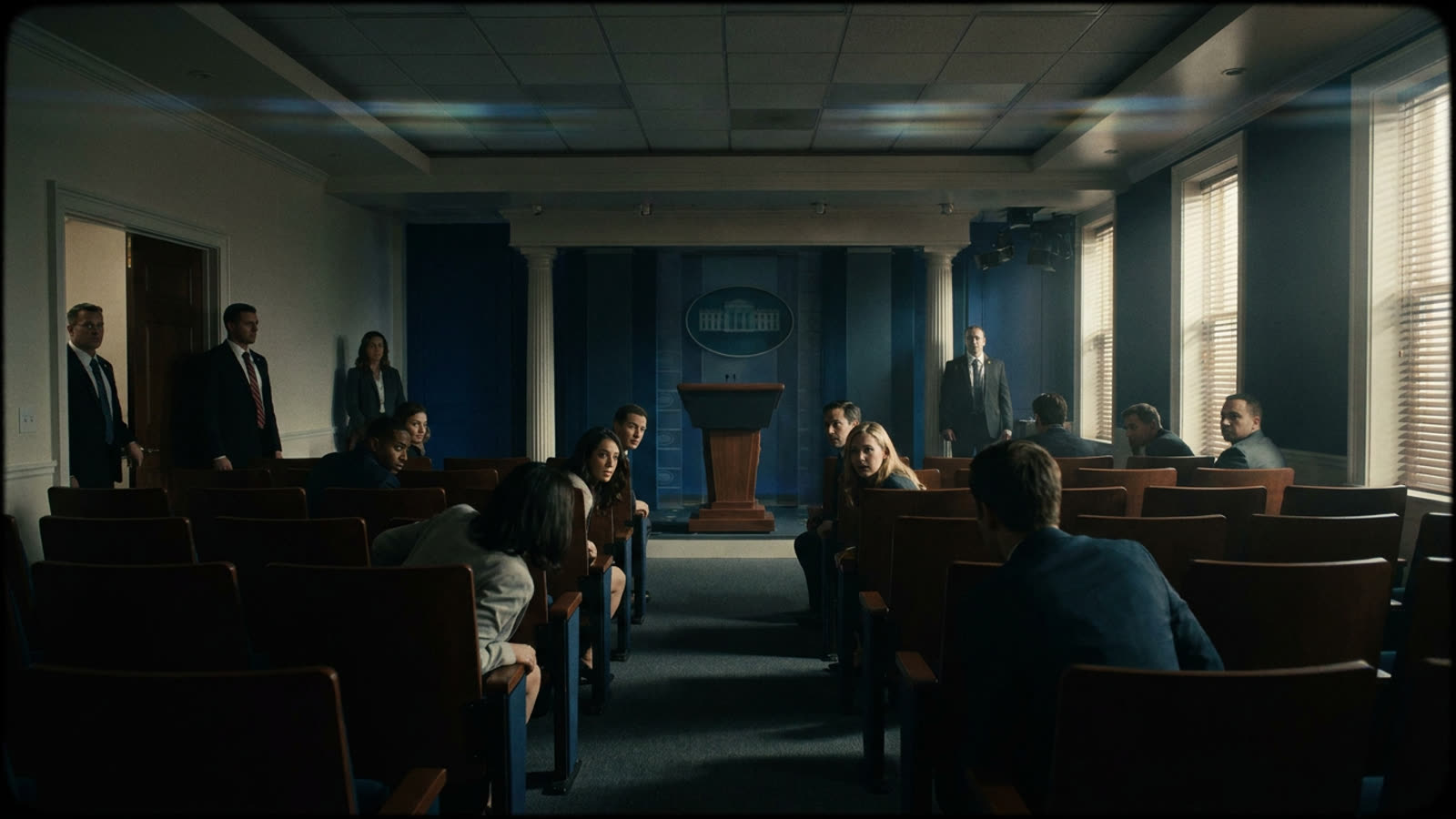
The White House locked down Friday after the sound of gunshots was reported in the vicinity of the executive mansion, a jarring reminder that the most fortified address in America remains perpetually vulnerable to the chaos of the surrounding city.
The incident, which prompted Secret Service agents to secure the perimeter and halt all movement in and out of the complex, lasted long enough to disrupt the normal rhythm of governance before the all-clear was given. No injuries were reported, and preliminary assessments suggested the shots originated from outside the immediate security zone—possibly a routine law enforcement matter that happened to occur within earshot of the presidency.
The new normal of executive security
Security incidents at or near the White House have become distressingly common. The Secret Service has dealt with fence jumpers, drone incursions, and multiple shooting incidents in the broader Lafayette Square area over the past decade. Each event triggers the same choreographed response: lockdown, sweep, investigation, return to baseline. The machinery is well-practiced because it has to be.
What distinguishes the current moment is context. The Trump administration is navigating simultaneous foreign policy crises, a fractious relationship with its own congressional majority, and a domestic political environment that security officials have repeatedly flagged as elevated-risk. When gunshots echo near 1600 Pennsylvania Avenue in 2026, they land differently than they might have in calmer times.
Economic ripple effects remain minimal—for now
Markets barely flinched at the news, which broke late in the trading day. This non-reaction is itself telling: investors have largely priced in a certain baseline level of American political instability. A brief lockdown without casualties doesn't move the needle when tariff policy, Fed decisions, and corporate earnings dominate the calculus.
But the complacency has limits. A more serious incident—an actual breach, a casualty, any suggestion of organized attack—would trigger immediate risk-off behavior across global markets. The White House is not just a building; it's a symbol of American institutional continuity, and threats to that symbol carry systemic implications.
Our take
The speed with which this story will fade from headlines is itself the story. Americans have grown accustomed to their government operating behind ever-thicker layers of security theater and genuine protection alike. The lockdown worked as designed, which means it will be forgotten by Monday. But the underlying condition it reflects—a political culture running hot enough to keep Secret Service agents permanently on edge—is not something that resolves itself. It compounds.