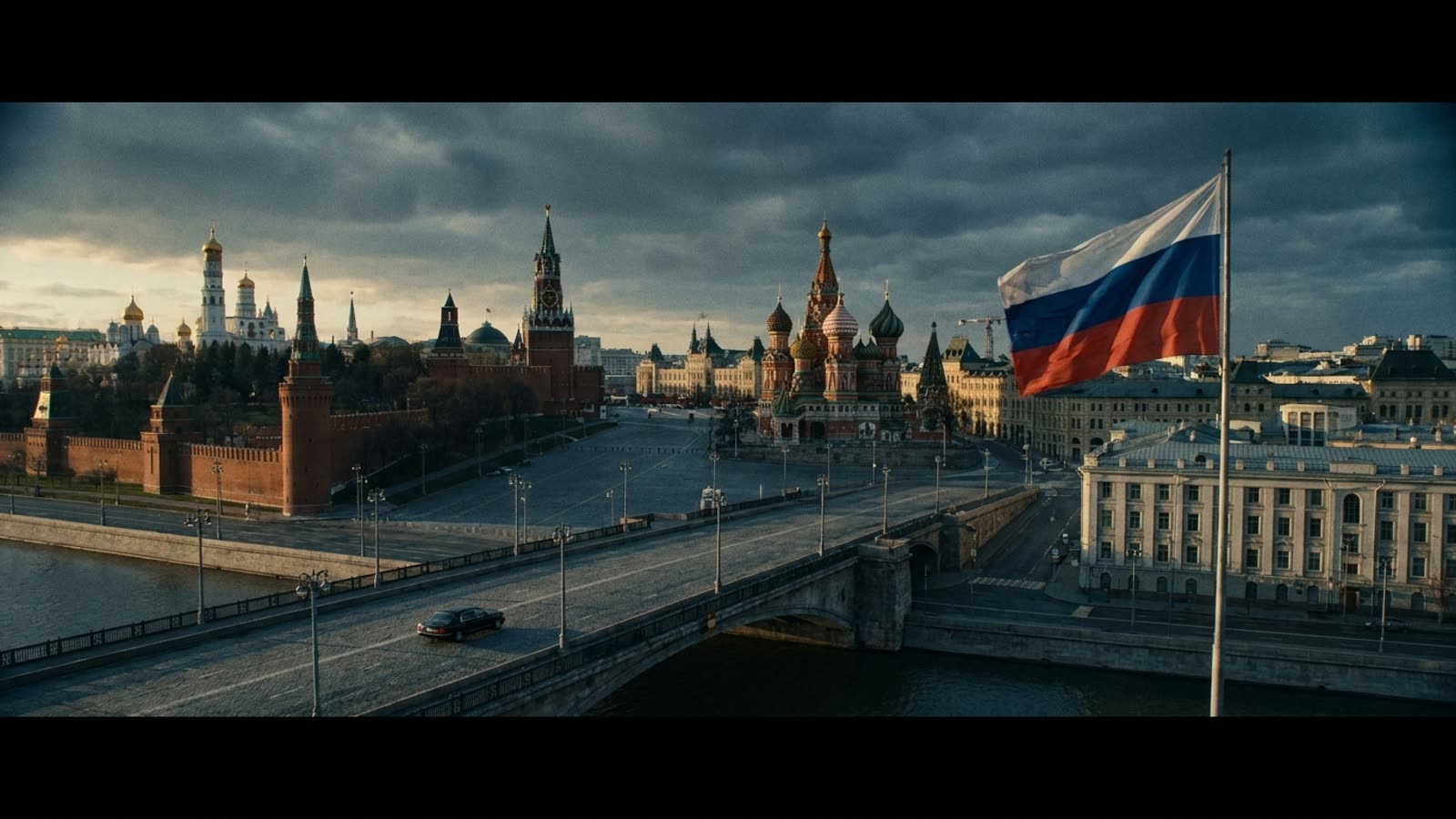
The Cold War never really ended in Moscow; it just went on hiatus. Western diplomats stationed in the Russian capital are now describing working conditions that would be familiar to their predecessors who served under Khrushchev and Brezhnev—constant surveillance, bugged residences, restricted movement, and a pervasive atmosphere of mutual suspicion that has transformed what was once a prestigious posting into something closer to an endurance test.
Interviews conducted by the BBC with serving officials paint a picture of diplomatic life that has regressed by decades. Apartments are swept for listening devices. Sensitive conversations happen only in secure rooms or during walks in parks, away from walls that might have ears. Staff rotations have accelerated as the psychological toll mounts. One diplomat compared the experience to "living inside a le Carré novel, except the tradecraft is real and the stakes are your career."
The architecture of paranoia
The deterioration has been gradual but accelerating. Relations soured after Russia's 2014 annexation of Crimea, but the full-scale invasion of Ukraine in February 2022 triggered a wholesale recalibration. Western embassies slashed staff numbers—partly through Russian expulsions, partly through voluntary drawdowns. Those who remain operate under restrictions that would have seemed absurd a decade ago. Travel outside Moscow requires notification. Russian employees, once the backbone of embassy operations, are now viewed with institutional wariness. The FSB, successor to the KGB, has reportedly intensified its attention on diplomatic compounds.
The physical environment has changed too. Several embassies have relocated sensitive operations to hardened facilities. Secure communication equipment that once gathered dust is now in constant use. Diplomats describe a bifurcated existence: the official world of démarches and cocktail receptions, and the shadow world of counter-surveillance protocols and need-to-know compartmentalization.
Why it matters beyond the embassy walls
This is not merely an occupational hazard for foreign service officers. The degradation of diplomatic channels has real consequences for crisis management. When ambassadors cannot speak candidly with host governments—or with their own capitals—the risk of miscalculation rises. The Cuban Missile Crisis was resolved in part because back-channel communications remained functional. Today's Moscow postings offer fewer such safety valves.
The human cost is also significant. Diplomats describe strained family lives, children educated remotely to avoid Russian schools, spouses unable to work. Hardship pay has increased, but money does not compensate for the grinding stress of operational paranoia. Recruitment for Moscow postings has reportedly become more difficult; the assignment that once launched careers now threatens to truncate them.
Our take
There is something clarifying about the return of Cold War atmospherics. For years, Western policy toward Russia oscillated between engagement and containment, never fully committing to either. The diplomats living under FSB surveillance have no such ambiguity. They understand, in a visceral way that policy papers cannot convey, that the relationship has fundamentally changed. Their testimony should inform the broader debate about what kind of presence the West maintains in Russia—and at what cost. The Cold War ended once. The peace that followed, it turns out, was always provisional.