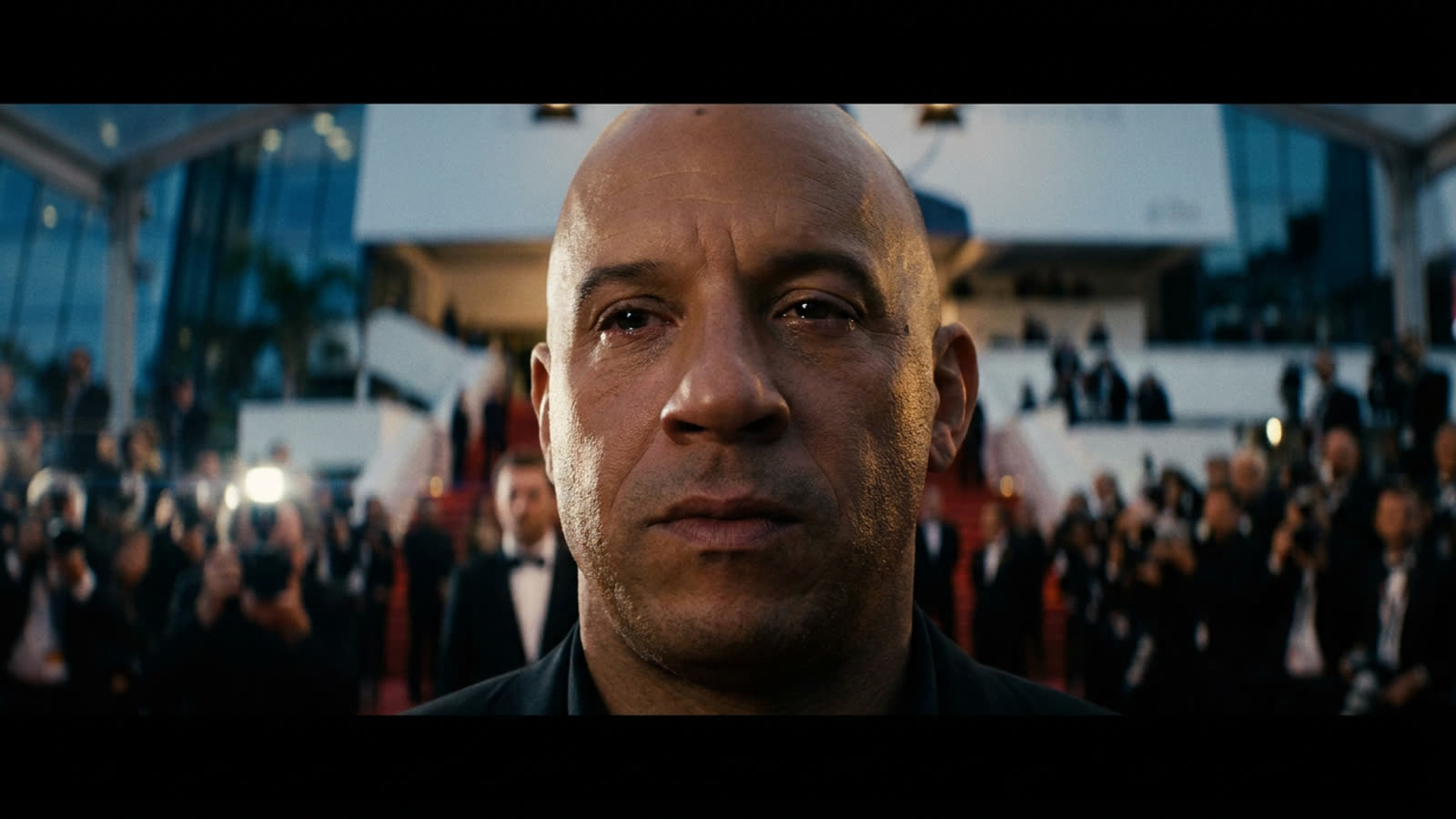
When the credits rolled on the midnight screening of The Fast and the Furious at Cannes this week, Vin Diesel stood before the crowd with tears streaming down his face. "I pray that in your life you have a brother like Paul," he said, invoking the late Paul Walker, who died in a car crash in 2013. The moment was raw, genuine, and entirely unexpected at a festival that has historically reserved its affections for Godard and Haneke, not nitrous oxide and quarter-mile sprints.
But there Diesel stood, vindicated. The film that critics once dismissed as disposable summer product had just been programmed as a "classic" by the most prestigious film festival on earth.
The unlikely coronation
Cannes' decision to screen the 2001 original as part of its Cannes Classics sidebar is a quiet acknowledgment of something that has been true for years: the Fast franchise is one of the most culturally significant American film series of the 21st century. Not because of its artistic ambitions—it has few—but because of its reach. The franchise has grossed over $7 billion worldwide, built a devoted global fanbase that skews remarkably diverse, and turned "family" into a meme so ubiquitous it transcends the films themselves.
Cannes programming director Thierry Frémaux has been nudging the festival toward broader definitions of cinema for years, adding superhero films and genre fare to the lineup alongside the expected arthouse selections. But The Fast and the Furious feels like a threshold moment. This is not a prestige blockbuster with auteur credentials like Mad Max: Fury Road. It is a Rob Cohen film about stealing DVD players from moving trucks.
Why now, why this
The timing matters. Walker's death gave the franchise an unexpected emotional weight, transforming what had been a goofy action series into something approaching elegy. Furious 7 (2015), which retired Walker's character with a wordless driving sequence set to Wiz Khalifa's "See You Again," became one of the highest-grossing films of all time and made grown men cry in multiplexes. The franchise has never quite recovered its lightness.
Diesel, who has become the series' custodian and chief sentimentalist, clearly understood the Cannes moment as a culmination. His tearful tribute to Walker was not performance; it was a man who has spent a decade keeping his friend's memory alive in increasingly baroque sequels finally receiving institutional validation.
Our take
Cannes calling The Fast and the Furious a classic is less about the film's merits than about the festival's evolving relationship with popular culture—and its belated recognition that the movies people actually watch deserve a seat at the table. Whether a 25-year-old street-racing film belongs in the same breath as 8½ is beside the point. The point is that Vin Diesel, standing in the same theater where Fellini once premiered, got to mourn his friend in front of an audience that finally took him seriously. Sometimes that is what classics are for.