With the 2026 World Cup opening on American soil in three weeks, the U.S. Men's National Team has finally named its roster. The 26 players selected will carry the weight of a nation's soccer ambitions into a tournament the country has spent a decade preparing to host. But in roster announcements, absence speaks louder than presence—and Gregg Berhalter's final cut sheet is a document of calculated risk, organizational politics, and the ghosts of American soccer's chronic underachievement.
The names that made it are largely predictable: Christian Pulisic remains the face of the program, Weston McKennie provides midfield steel, and the young core that came of age in Qatar four years ago has matured into something resembling a cohesive unit. But the conversations dominating American soccer circles today center on who was left behind.
The snub discourse
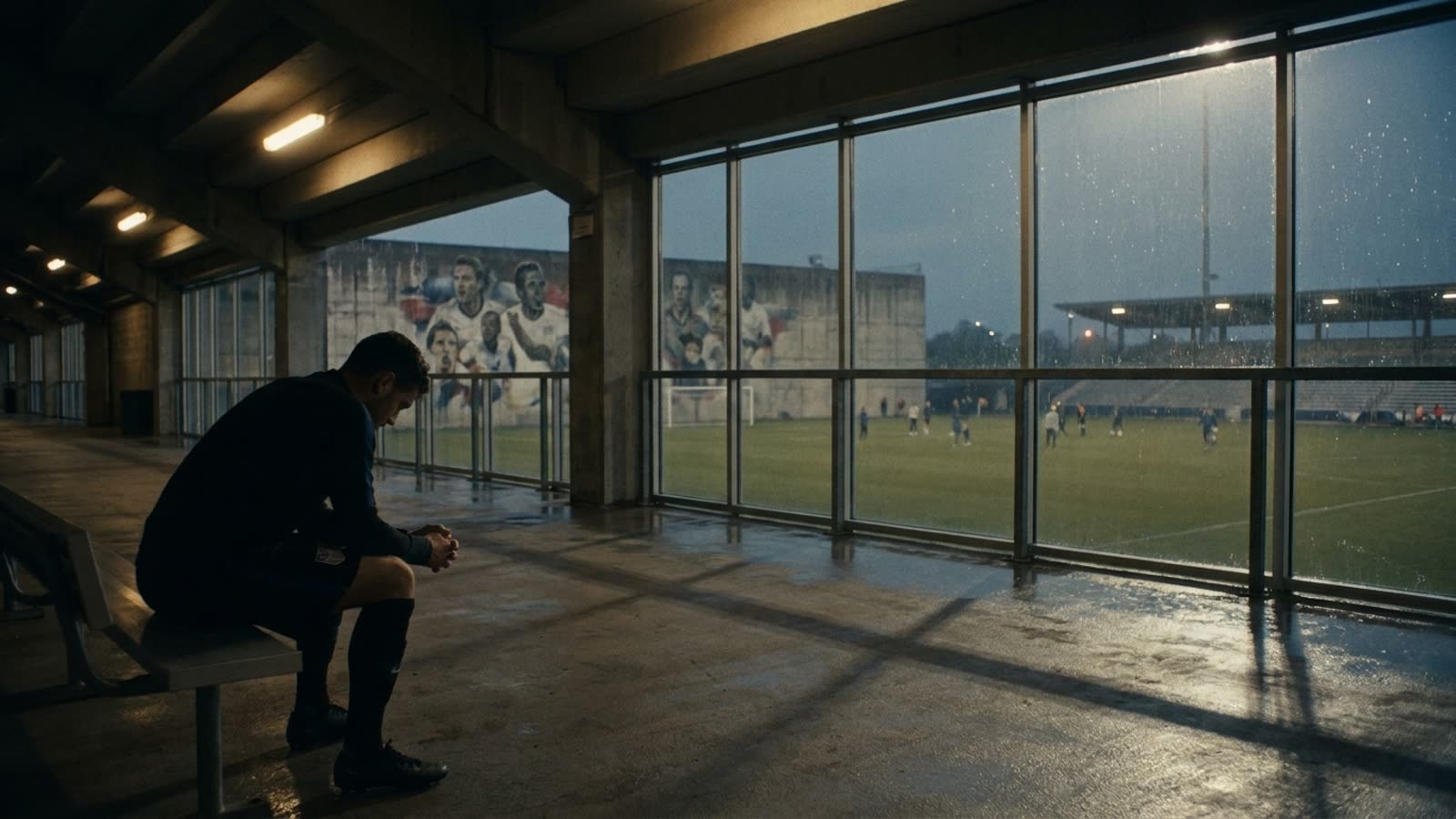
Every World Cup roster generates its share of outrage, but American soccer's relatively shallow talent pool makes each exclusion feel seismic. The debate over attacking options has been particularly fierce, with several MLS-based forwards left watching from home despite strong domestic seasons. The federation's historical bias toward European-based players remains evident, though Berhalter has defended his selections as rewarding those who "know the system."
More troubling is the fitness question. Several players entered camp carrying knocks, and the coaching staff has been notably cagey about who is genuinely match-ready versus who is being protected for the group stage opener. The World Cup injuries tracker has become essential reading for anyone trying to decode the team's actual depth.
The weight of home soil
No American men's team has ever reached a World Cup semifinal. The 2002 quarterfinal run remains the high-water mark, and that was 24 years ago in South Korea. Hosting changes the calculus entirely. The pressure of performing before home crowds—in stadiums filled with fans who largely ignore the sport until every four years—creates a psychological burden that European and South American powers rarely face.
Berhalter, who survived a bizarre contract saga two years ago that nearly cost him his job, understands that anything short of the knockout rounds will be deemed catastrophic. His roster reflects that anxiety: he has prioritized defensive solidity and set-piece reliability over the kind of attacking flair that might unlock a deep tournament run but could equally combust in the group stage.
Our take
The USMNT roster is defensible but uninspiring—which may be exactly what Berhalter intended. American soccer has spent two decades oscillating between delusional optimism and crushing disappointment. A pragmatic, process-oriented approach might be the healthiest path forward, even if it produces a Round of 16 exit that feels like a missed opportunity. The real test of this program will not come in the tournament itself but in whether the infrastructure built around this World Cup—the academies, the domestic league investment, the youth development pathways—produces a generation that no longer treats quarterfinal appearances as aspirational. For now, the roster is set, the snubs are nursing their wounds, and America prepares to care about soccer for approximately six weeks.