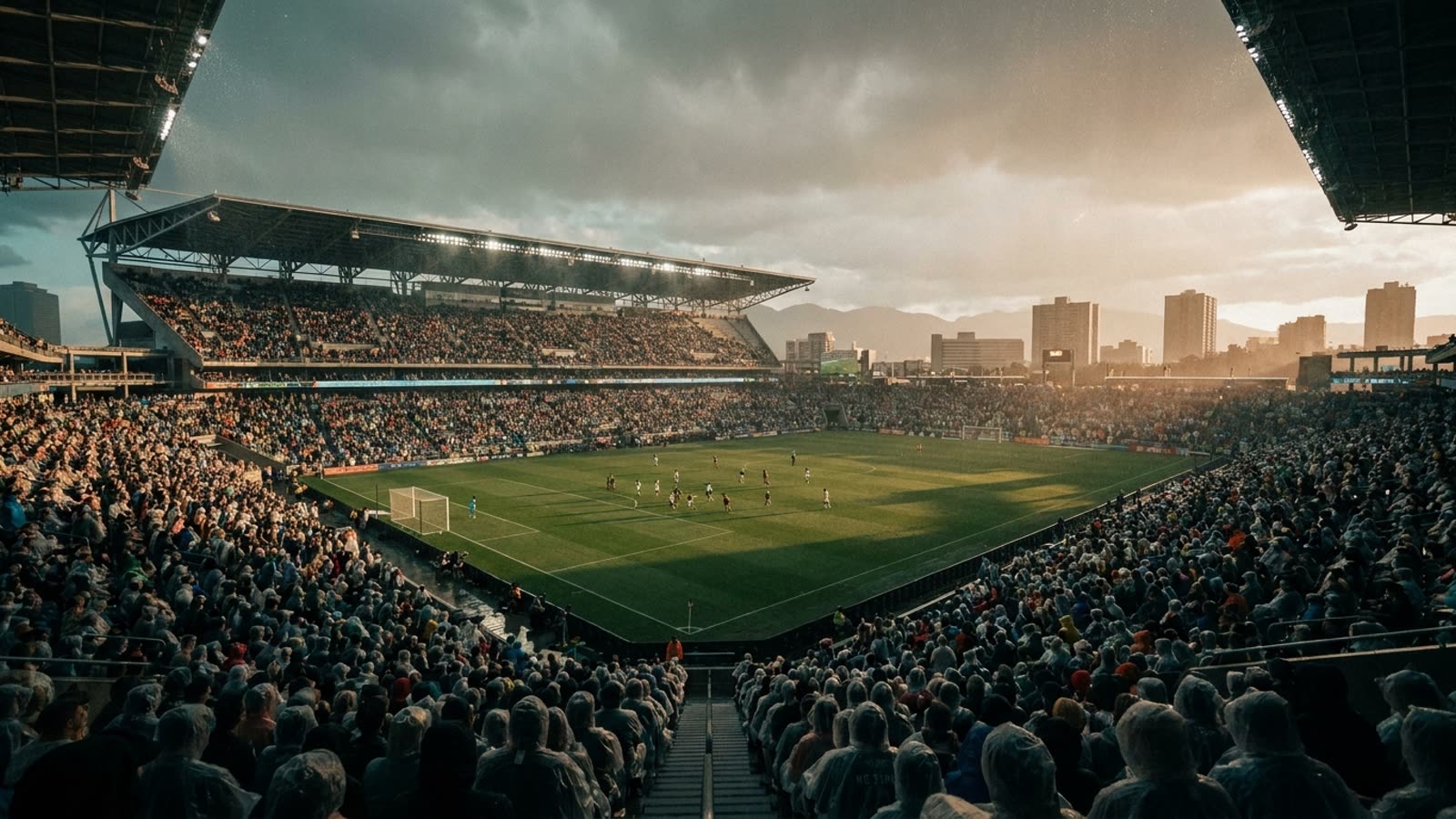
The countdown has entered its final stretch, and U.S. Soccer finds itself in unfamiliar territory: genuine, suffocating expectation.
For decades, American soccer existed in a comfortable limbo—perpetually promising, perpetually excused. The sport was always "growing," the national team always "building toward something." Losses could be rationalized as stepping stones. Mediocre World Cup exits were framed as valuable experience. The 2026 tournament, co-hosted with Canada and Mexico but centered squarely on American soil, obliterates that safety net entirely.
The host nation burden
History is unforgiving to World Cup hosts who underperform. South Korea's miraculous 2002 semifinal run remains the gold standard, but the counterexamples are instructive: South Africa's group-stage exit in 2010 deflated a continent's hopes; Qatar's winless 2022 campaign was an embarrassment money couldn't paper over. The United States, staging the bulk of matches across its gleaming stadiums, cannot afford to stumble out early without facing a reckoning that would set the sport back domestically.
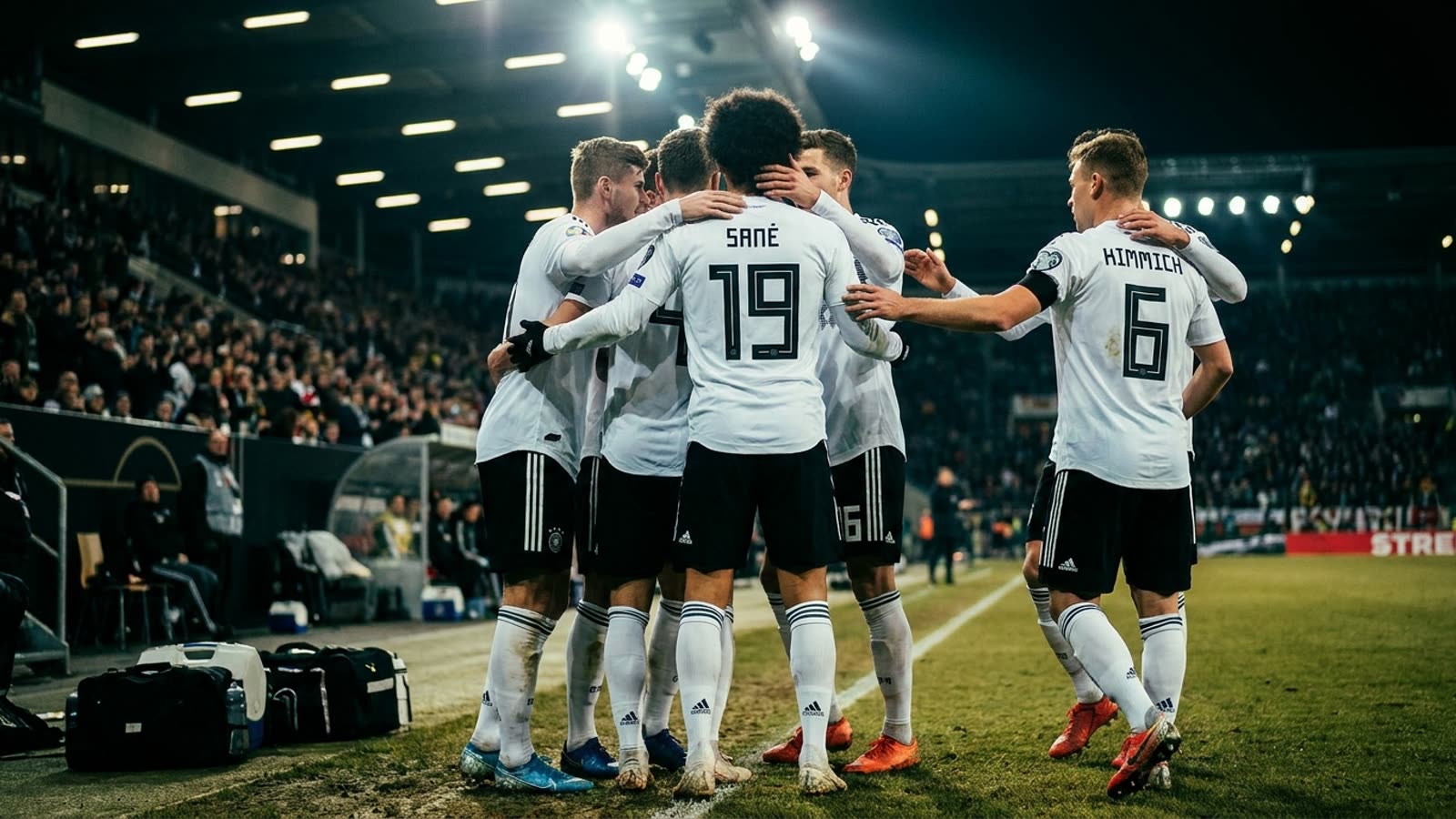
The USMNT's recent form offers reasons for both optimism and anxiety. The talent pool has never been deeper—Christian Pulisic, Weston McKennie, and a supporting cast playing at elite European clubs represent a genuine leap in quality. But the friendly against Germany exposed familiar fragilities: defensive lapses under pressure, inconsistent finishing, and a midfield that can be overrun by technically superior opponents. These are correctable issues in theory. In practice, with the tournament imminent, time has run out for corrections.
What success looks like
The minimum acceptable outcome is reaching the knockout rounds, but even a Round of 16 exit would feel hollow given the circumstances. The quarterfinals represent the true threshold—anything less, and the billions invested in infrastructure, the years of hype, the promise of soccer's American breakthrough will curdle into another "what if." The bracket, the draw, and home-field advantage all conspire to make this achievable. Whether Gregg Berhalter's squad can seize the moment is the question that will define American soccer for a generation.
Our take
The USMNT has spent years insisting it belongs among the world's elite without ever proving it when it mattered most. The 2026 World Cup is the exam they've been studying for, administered in their own classroom, with the whole country watching. There are no more excuses available, no more deferrals to the next cycle. American soccer either arrives this month or admits it's been lying to itself all along.