The world's largest music company and the world's most influential short-form video platform have decided their relationship is worth preserving—but only if artificial intelligence plays by their rules. Universal Music Group and TikTok announced a renewed licensing agreement this week that places the detection and removal of unauthorized AI-generated music at the center of their partnership, a provision that would have seemed paranoid three years ago and now reads as table stakes.
The deal arrives after a turbulent period between the two companies. Their previous licensing arrangement expired in early 2024, leading to a months-long standoff during which Taylor Swift, Bad Bunny, and the rest of UMG's roster vanished from the platform. That dispute centered on compensation rates and promotional algorithms. This time, the conversation has shifted to something more fundamental: what counts as music at all.
The AI clause
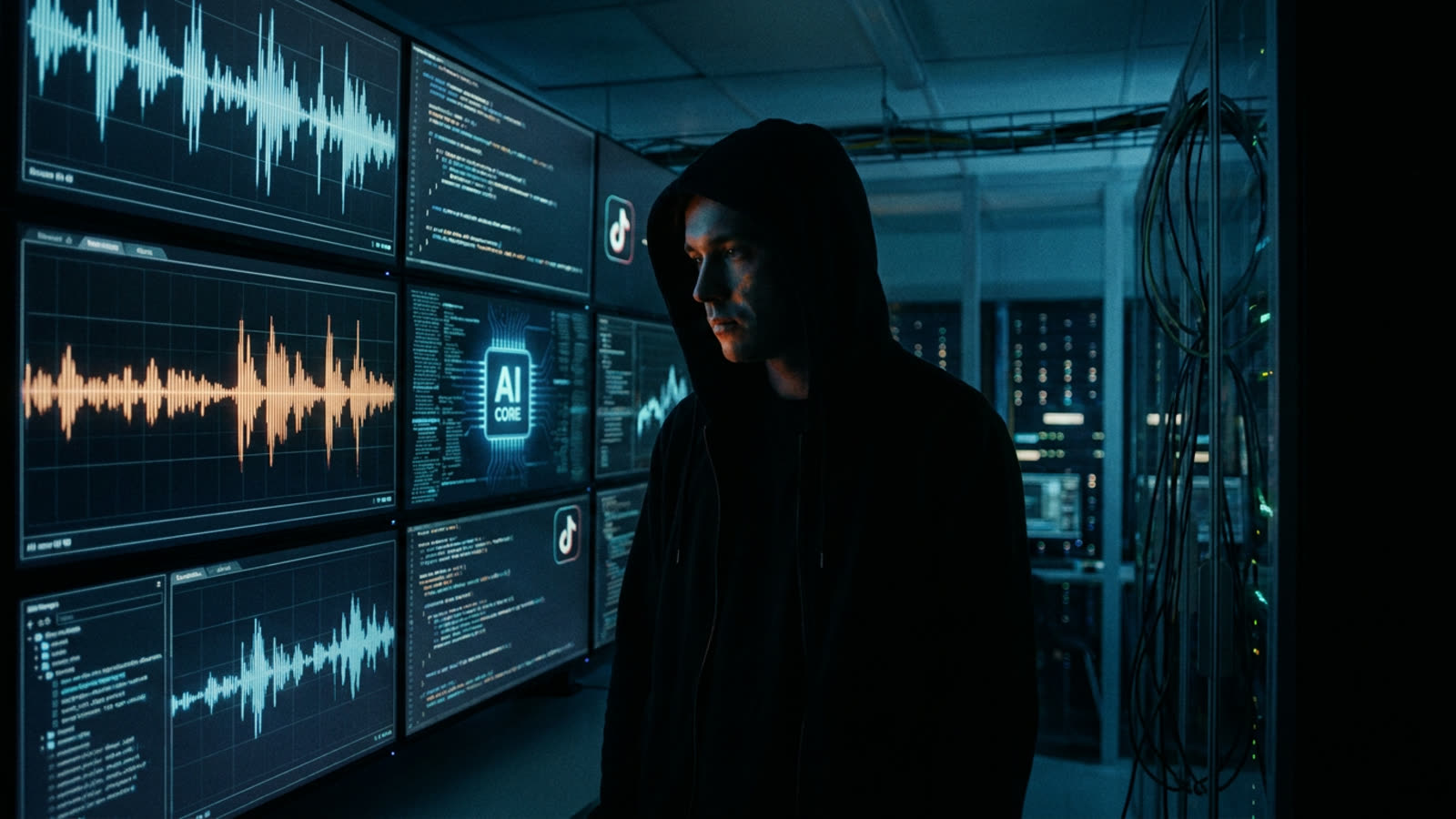
While financial terms remain undisclosed, both parties emphasized the agreement's focus on AI governance. TikTok has committed to deploying detection systems capable of identifying AI-generated vocals that mimic UMG artists without authorization, as well as synthetic instrumentals that sample copyrighted compositions. The platform will remove such content upon identification, a process that UMG executives described as "proactive" rather than reactive to takedown requests.
This is not merely a legal formality. The proliferation of AI music tools over the past two years has created a gray market of synthetic tracks that sound convincingly like established artists. A viral AI-generated "Drake and The Weeknd" collaboration in 2023 demonstrated both the technology's potential and the industry's vulnerability. Since then, the tools have only improved, and the volume of synthetic content has grown exponentially.
Why TikTok matters more than Spotify
For UMG, TikTok represents something Spotify does not: discovery. The platform's algorithm has become the primary mechanism through which new songs reach young listeners, and its influence on chart performance is now undeniable. Losing access to TikTok's audience during the 2024 blackout cost UMG artists visibility at a moment when attention is the scarcest resource in entertainment.
But TikTok also represents the greatest threat vector for AI-generated content. The platform's format—short clips, often featuring manipulated audio—makes it uniquely hospitable to synthetic music. A fifteen-second snippet of an AI-generated voice is harder to detect and easier to distribute than a full-length track on a traditional streaming service. By embedding AI policing into the partnership agreement, UMG is attempting to close this vulnerability at its source.
Our take
This deal is less about TikTok specifically and more about establishing precedent. UMG is the first major label to make AI content moderation a contractual requirement for platform access, and the other majors will follow. The music industry spent two decades losing the piracy war before streaming offered a truce. It has no intention of repeating that mistake with AI. Whether algorithmic detection can actually keep pace with generative technology is another question entirely—but at least the labels are asking it before the flood arrives, not after.