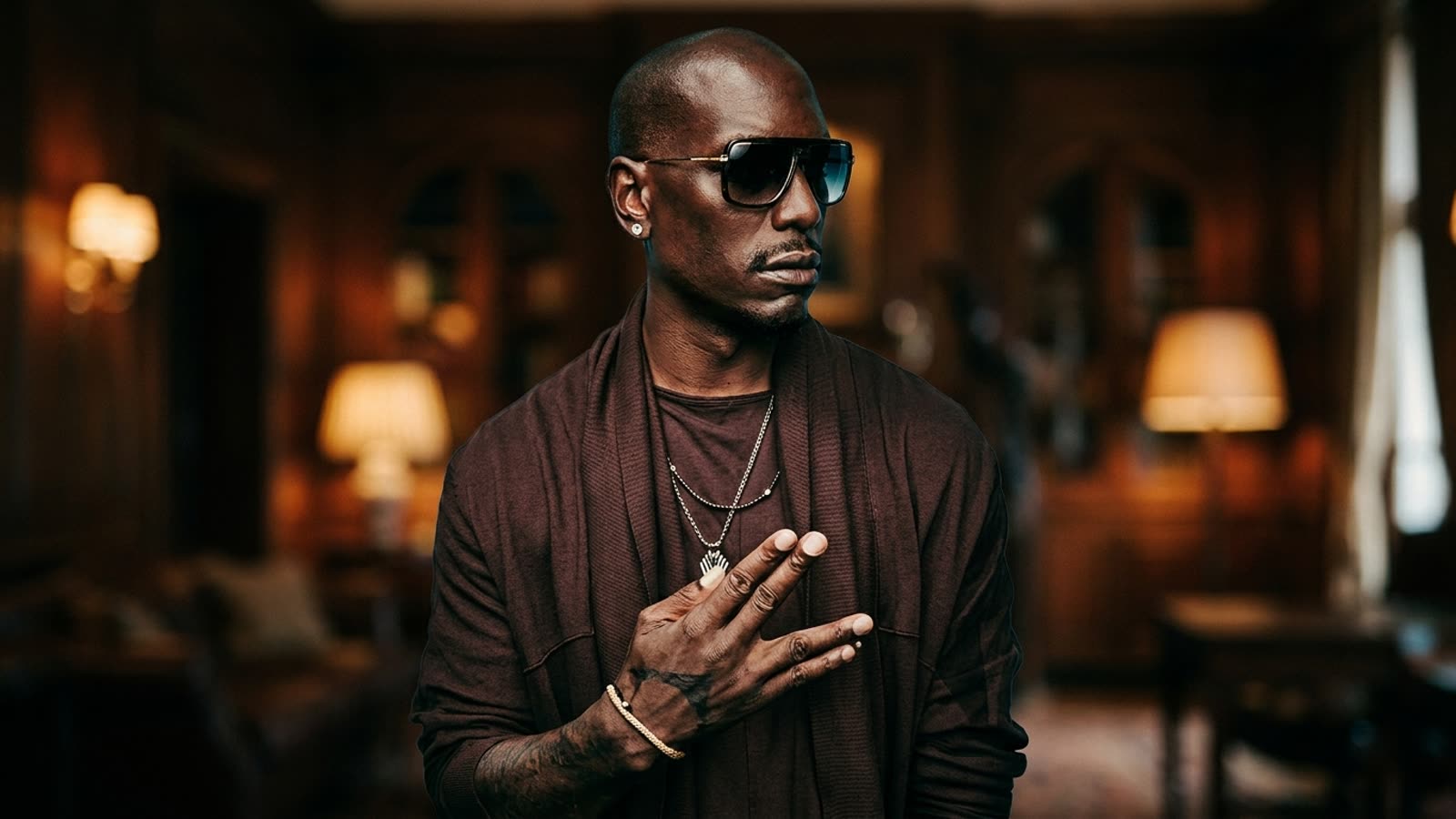
The figure itself is almost beside the point. When Tyrese Gibson announced this week that Reach Out Worldwide, the disaster-relief charity Paul Walker founded in 2010, has raised nearly $1 million, he was performing a role he has inhabited since November 30, 2013: the keeper of the flame, the friend who will not let you forget.
Walker died in a car crash at forty, leaving behind a daughter, an unfinished film, and a franchise that had to decide whether to retire his character or resurrect him digitally. Universal chose door number three — a tasteful send-off in Furious 7 that let audiences weep in IMAX — and the Fast & Furious family has been monetizing grief ever since, in the gentlest possible sense of the word.
The charity as legacy infrastructure
Reach Out Worldwide was never a vanity project. Walker founded it after the 2010 Haiti earthquake, deploying first responders rather than writing checks. The organization has since assisted in disaster zones from Alabama to the Philippines. Gibson's involvement keeps the charity visible in a media environment that forgets most causes within a news cycle. His announcement, delivered with characteristic earnestness on social media, is less a fundraising appeal than a proof-of-life statement: the mission continues.
Hollywood's grief economy
Celebrity death is a renewable resource in entertainment marketing. Studios re-release films, streaming platforms curate memorial collections, and surviving collaborators grant interviews timed to anniversaries. What distinguishes the Walker phenomenon is its communal texture. Vin Diesel names children after him. Michelle Rodriguez posts throwback photos. Gibson weeps openly and often. The Fast cast has transformed private loss into public liturgy, and audiences have responded by treating the franchise as something more than a car-chase delivery system.
Our take
There is something genuinely moving about Gibson's refusal to let Walker fade into trivia-night obscurity, even if the cynic notes that every tribute doubles as franchise promotion. Nearly $1 million for disaster relief is real money doing real good. If the price of that funding is another round of Instagram eulogies, the trade seems fair. Hollywood manufactures sentiment for profit constantly; occasionally, the sentiment is also sincere.