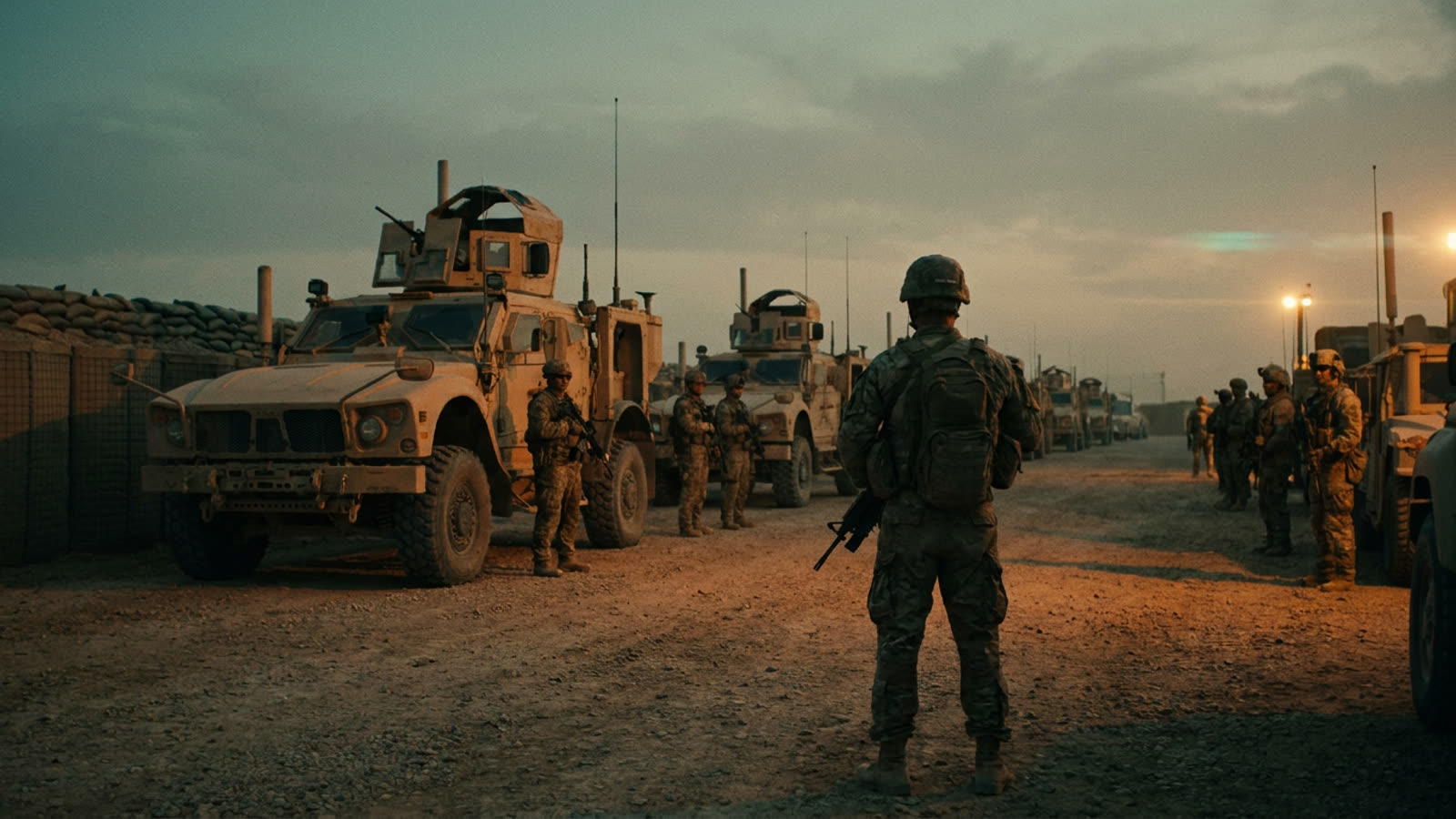
The Trump administration has dramatically expanded American military operations across multiple continents while maintaining that the United States is pursuing a policy of strategic restraint. The contradiction is becoming difficult to sustain.
Since returning to office, President Trump has authorized airstrikes in Yemen, Somalia, and Syria, deployed additional special operations forces to the Philippines, and—most consequentially—ordered deeper incursions into Lebanon while providing expanded support for Israeli operations. Each action has been framed as defensive, limited, or merely advisory. Collectively, they represent the most aggressive use of American military power since the height of the war on terror.
The authorization gap
Nearly all of these operations proceed under legal authorities that predate the current administration by decades. The 2001 Authorization for Use of Military Force, passed three days after September 11, continues to provide the statutory foundation for strikes against groups that did not exist when the towers fell. Congress has shown little appetite for updating or constraining these powers, and the administration has shown even less interest in seeking fresh authorization.
The result is a peculiar form of permanent war conducted largely outside democratic deliberation. Pentagon briefings mention "kinetic actions" in passing; casualty figures for foreign nationals go unreported; and the American public remains largely unaware that their military is actively engaged in combat across at least seven countries.
The restraint paradox
The administration's rhetorical commitment to ending "forever wars" sits uneasily with this operational reality. Officials argue that precision strikes and advisory missions differ categorically from the large-scale deployments of the Iraq and Afghanistan eras. There is something to this—the troop numbers are smaller, the footprint lighter. But the distinction matters less to the populations living under American ordnance than it does to Washington strategists.
Yemen offers the starkest example. American strikes against Houthi targets have intensified significantly, ostensibly to protect Red Sea shipping. The humanitarian consequences of the broader conflict—to which these strikes contribute—receive minimal attention in administration messaging.
Our take
A democracy that wages war without debate is not exercising restraint; it is simply exercising power quietly. The Trump administration has inherited a system designed to minimize friction for military action and has exploited it enthusiastically. Whether one supports or opposes any particular operation, the absence of meaningful congressional involvement should trouble citizens across the political spectrum. Wars conducted in the dark tend to expand in the dark. Eventually, something illuminates them—usually a disaster.


