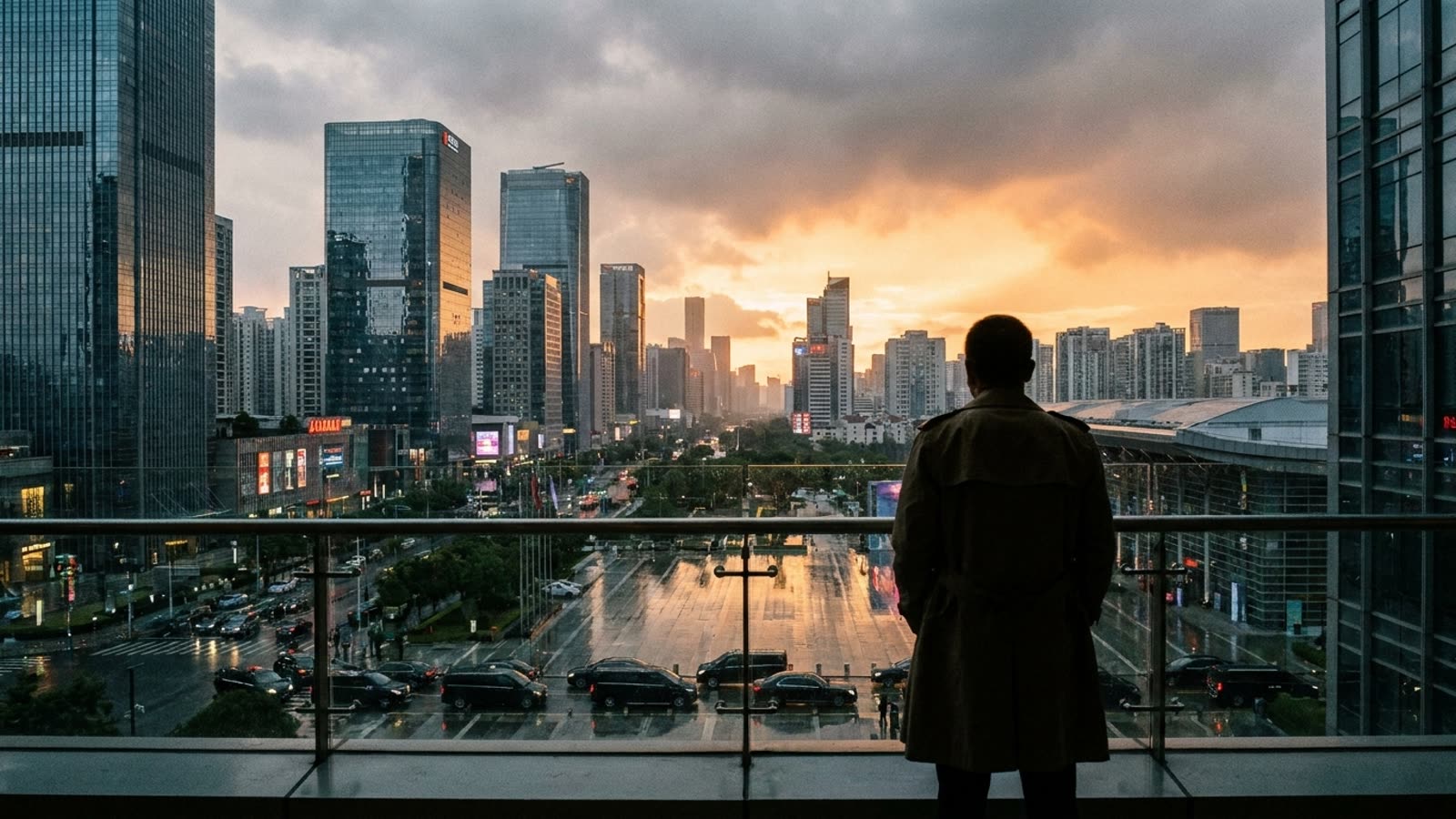
The prospect of Donald Trump sitting down with Vladimir Putin and Xi Jinping at a single table would have seemed fantastical even a year ago. Now it appears to be under active negotiation, with the US president traveling to Shenzhen in two weeks for the APEC summit and all three powers reportedly discussing a trilateral format. If it happens, it will be the most consequential meeting of heads of state since Yalta—and just as likely to leave smaller nations wondering what was decided about them, without them.
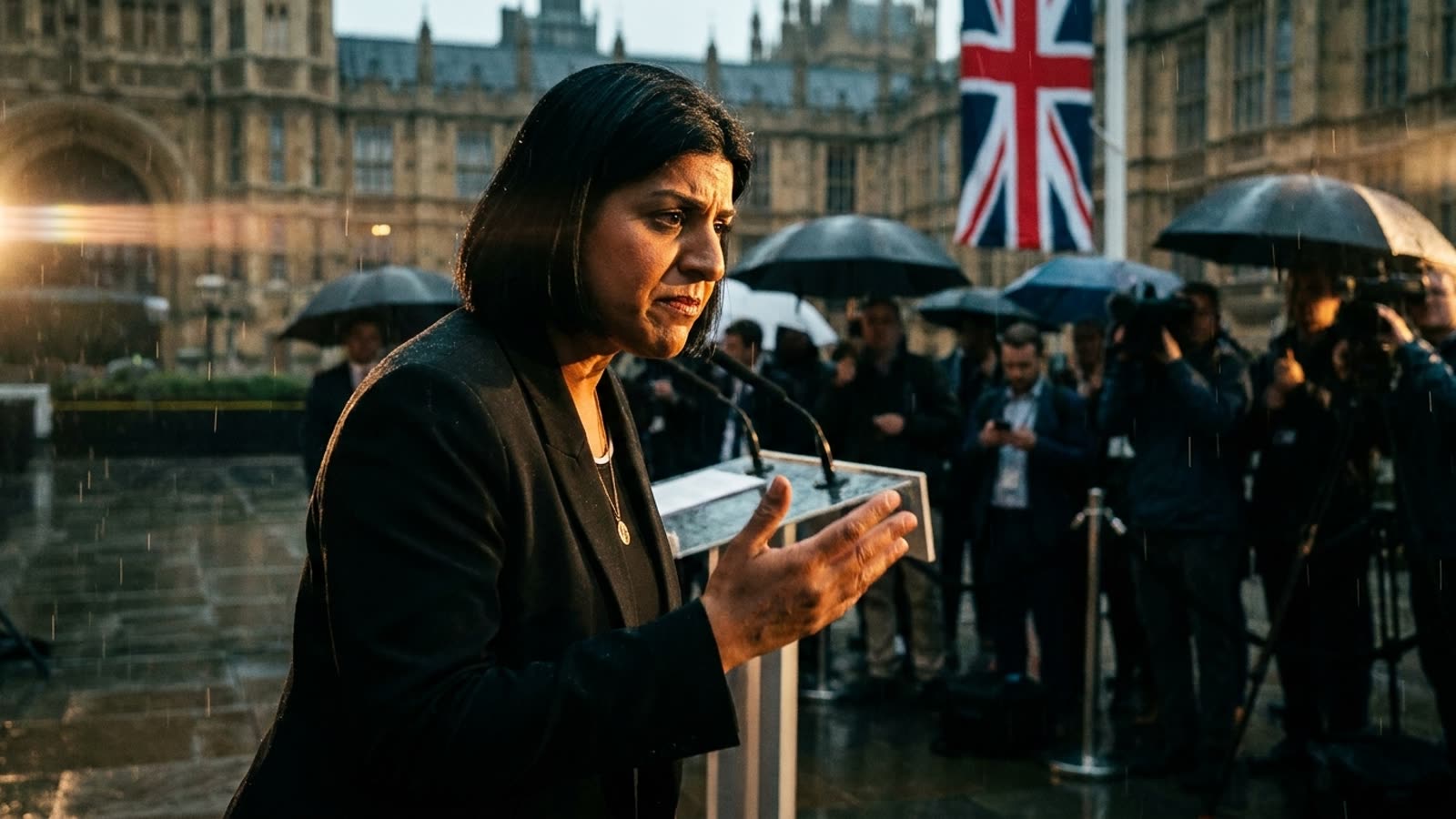
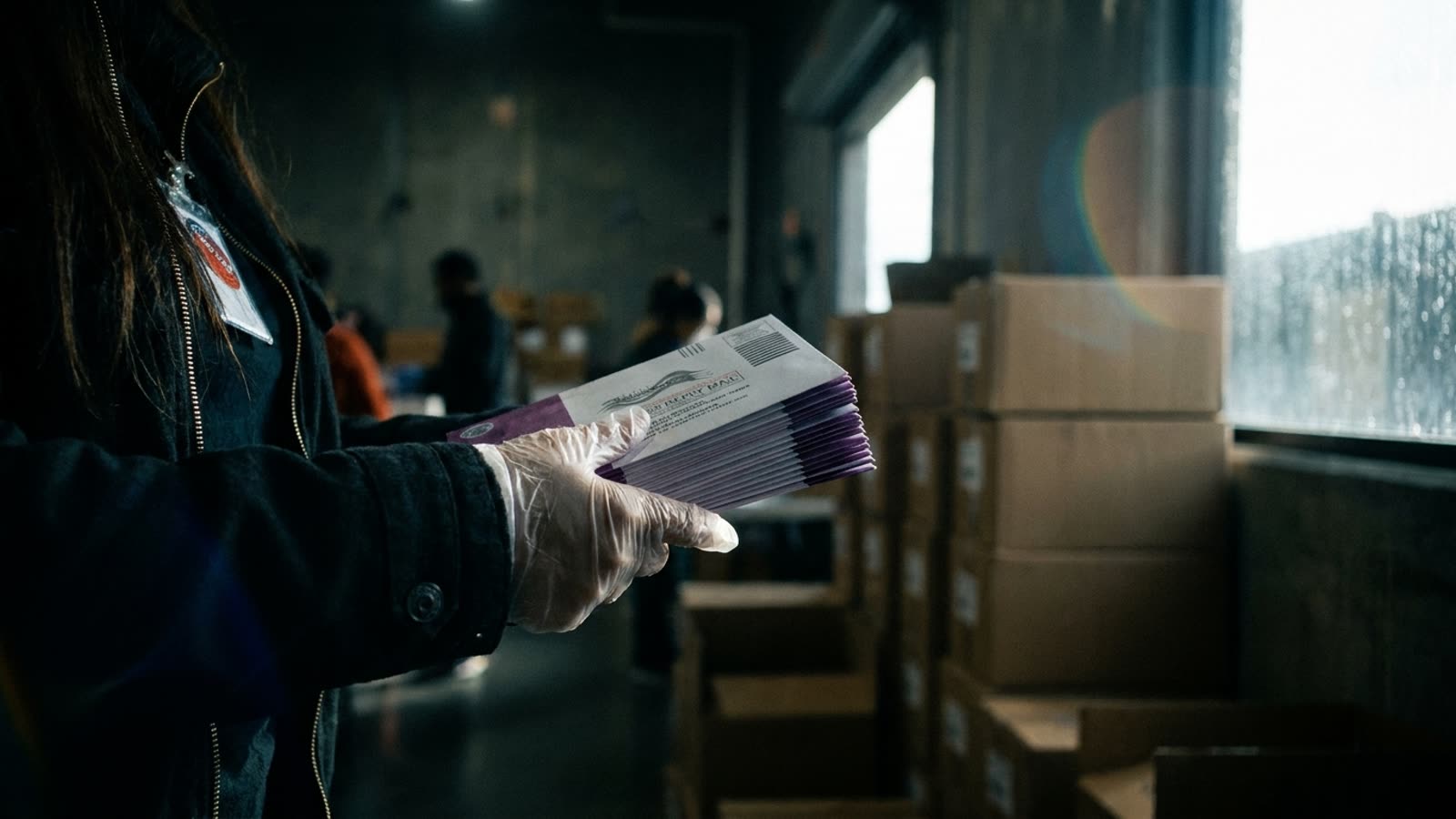
The timing is exquisite. Americans are voting today in midterm elections that will determine whether Trump retains a compliant Congress or faces two years of legislative gridlock. A summit announcement—or even credible progress toward one—would hand the president a foreign-policy trophy precisely when his domestic coalition needs rallying. The White House has never been shy about using diplomacy as stagecraft.
The logic of a three-way deal
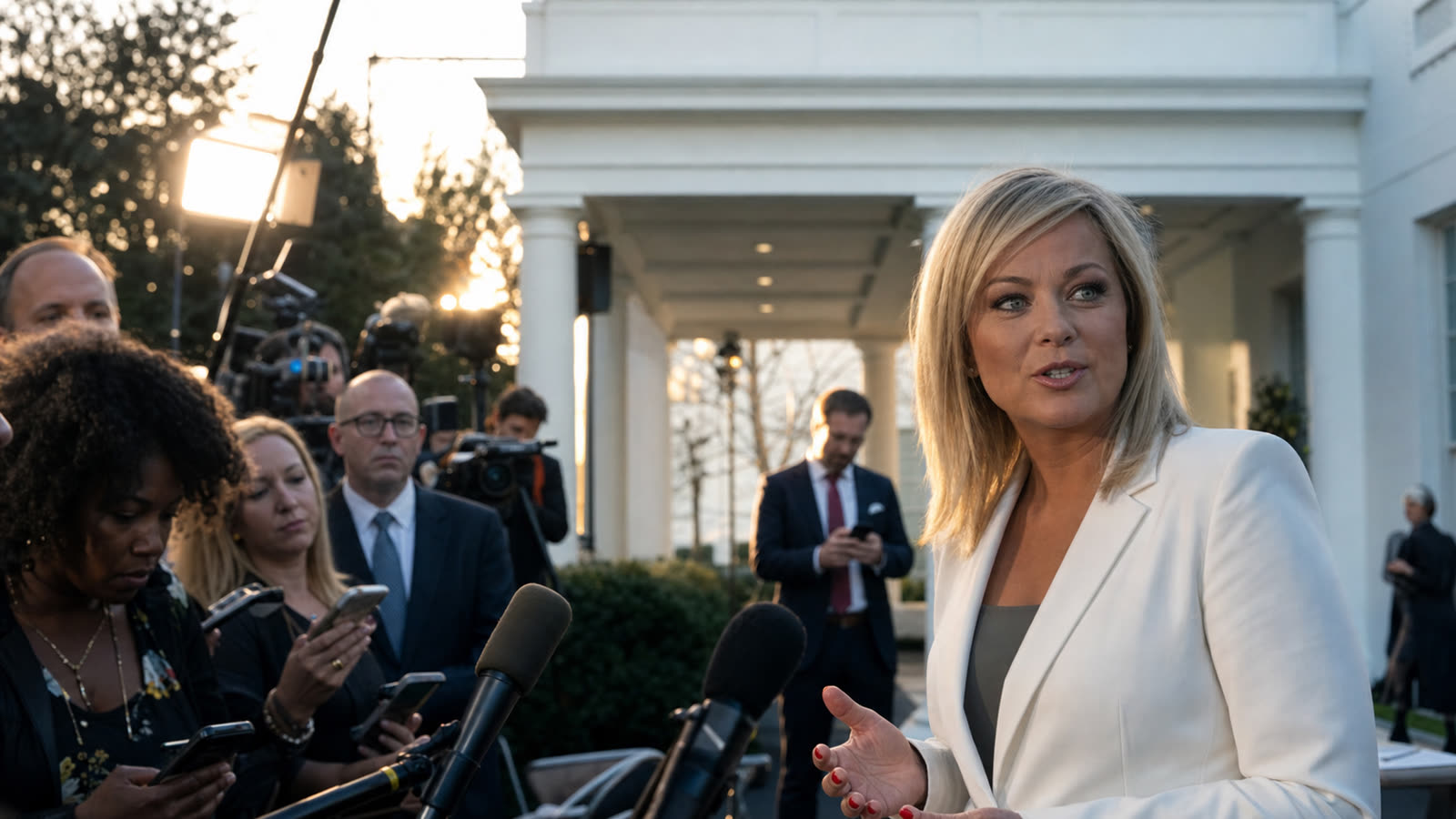
Washington's strategic calculus has shifted. The Iran strikes on Qeshm Island, launched hours before polls opened, demonstrate that the administration remains willing to use force. But force alone has not produced the broader regional settlement Trump promised. A trilateral summit offers something different: the possibility of a grand bargain in which Russia pressures Iran to stand down, China guarantees stability in the Taiwan Strait, and the US offers sanctions relief and trade concessions in return. Each leader gets to claim a win. The details, as always, are where empires go to die.
For Putin, the appeal is obvious. Twenty-one months of Trump's second term have already seen the US distance itself from Kyiv; a formal summit would cement Russia's return to great-power status after years of pariah treatment. For Xi, the prize is American acknowledgment that China is an equal, not a rival to be contained. For Trump, it is the ultimate deal—the one that lets him claim he ended the era of endless wars and cold-war posturing in a single handshake.
What allies are thinking
The silence from European capitals is deafening. A trilateral summit would formalize what many in Brussels and London have feared since January 2025: that the US is no longer interested in maintaining the post-1945 alliance architecture, preferring instead to negotiate directly with adversaries over the heads of partners. Japan, South Korea, and Taiwan have even more reason for anxiety. If Trump and Xi reach an understanding on spheres of influence, the security guarantees that have underpinned Pacific stability for seven decades may be quietly retired.
Allies are not powerless, but their leverage is limited. The EU can threaten to deepen ties with Beijing, but that risks accelerating the very decoupling it fears. Japan can increase defense spending, but cannot replace the US nuclear umbrella overnight. The uncomfortable truth is that middle powers thrive in a rules-based order; they struggle when the rules are rewritten by the three largest players in a closed room.
Our take
A Trump-Putin-Xi summit would be historic, dangerous, and entirely in character for a president who views foreign policy as a series of transactions rather than a web of obligations. Whether it produces lasting peace or merely a photo op depends on details that have not been negotiated and may never be disclosed. What is already clear is that the world is watching a live experiment in great-power diplomacy—one conducted without the guardrails of multilateral institutions or the input of the nations most affected by its outcome. The Shenzhen summit, if it happens, will not be the end of anything. It will be the beginning of a very different kind of disorder.