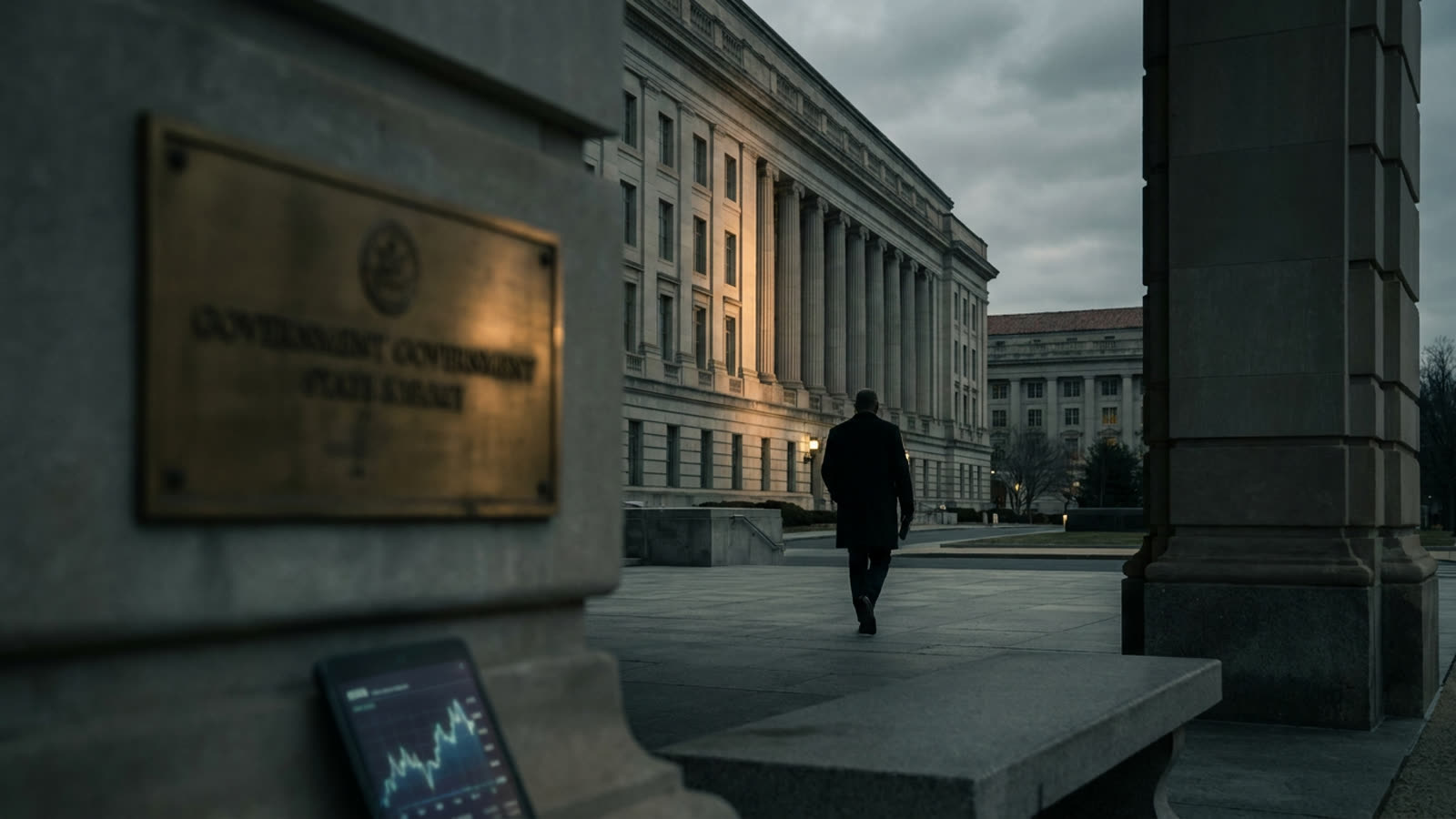
The president of the United States does not typically weigh in on the jurisdictional nuances of derivatives regulation. But Donald Trump, speaking at a policy roundtable this week, made his position on prediction markets unmistakably clear: he wants federal agencies to take the reins, and he wants state gaming officials out of the way—officials he described, with characteristic restraint, as "scum."
The outburst was not entirely unprompted. Prediction markets have spent the past eighteen months in regulatory limbo, caught between the Commodity Futures Trading Commission, which treats event contracts as derivatives, and state gaming boards, which often classify them as gambling. Platforms like Polymarket have operated offshore to sidestep the confusion; Kalshi has fought a years-long legal battle with the CFTC over which contracts it can list. The result is a patchwork that satisfies no one and leaves the industry's legal footing perpetually uncertain.
Why the White House cares now
Prediction markets have become unexpectedly influential. During the 2024 election cycle, Polymarket's odds were cited by major news outlets more frequently than traditional polling averages. The platforms have since expanded into sports, entertainment, and macroeconomic forecasting, with combined trading volumes now exceeding several billion dollars annually. That scale attracts attention—and invites the question of who, exactly, is minding the store.
Trump's answer is the CFTC, an agency he can influence through appointments and that has historically taken a lighter regulatory touch than state gaming commissions. A federal framework would preempt the state-by-state licensing regime that has blocked platforms from operating in jurisdictions like New York and Nevada. It would also, not incidentally, sideline officials who have been skeptical of prediction markets' claims to be something other than gambling.
The industry's awkward embrace
Platform operators have long sought regulatory clarity, but the president's intervention creates its own complications. Kalshi, which has cultivated a reputation for working within the system, now finds itself aligned with a political figure whose endorsement may not play well in every market. Polymarket, which has thrived precisely because it operates outside U.S. jurisdiction, faces the prospect of either entering a newly federalized domestic market or watching competitors gain legitimacy it lacks.
The crypto industry, which provides much of the infrastructure for these platforms, has cautiously welcomed the development. Prediction markets are among the few blockchain-native applications that have achieved genuine product-market fit, and federal blessing would validate the underlying technology. But the blessing comes with strings: federal oversight means federal enforcement, and the CFTC has not been shy about pursuing crypto firms it believes have crossed lines.
Our take
Trump's rhetoric was crude, but his instinct is probably correct. The current regulatory fragmentation serves no one except lawyers and offshore operators. A coherent federal framework—one that acknowledges prediction markets are neither pure gambling nor traditional derivatives—would let the industry mature and let regulators focus on actual consumer protection rather than jurisdictional turf wars. Whether this administration can execute such a framework without turning it into a patronage opportunity is another question entirely. The president has a habit of conflating deregulation with favoritism. Prediction markets deserve better odds than that.