For most of the past three decades, Tottenham Hotspur traveling to Stamford Bridge has been an exercise in managed expectations and familiar disappointment. The west London ground has functioned as a kind of footballing Bermuda Triangle for Spurs—a place where promising seasons go to acquire doubt, where form evaporates, where the psychological gap between the clubs reasserts itself regardless of the league table.
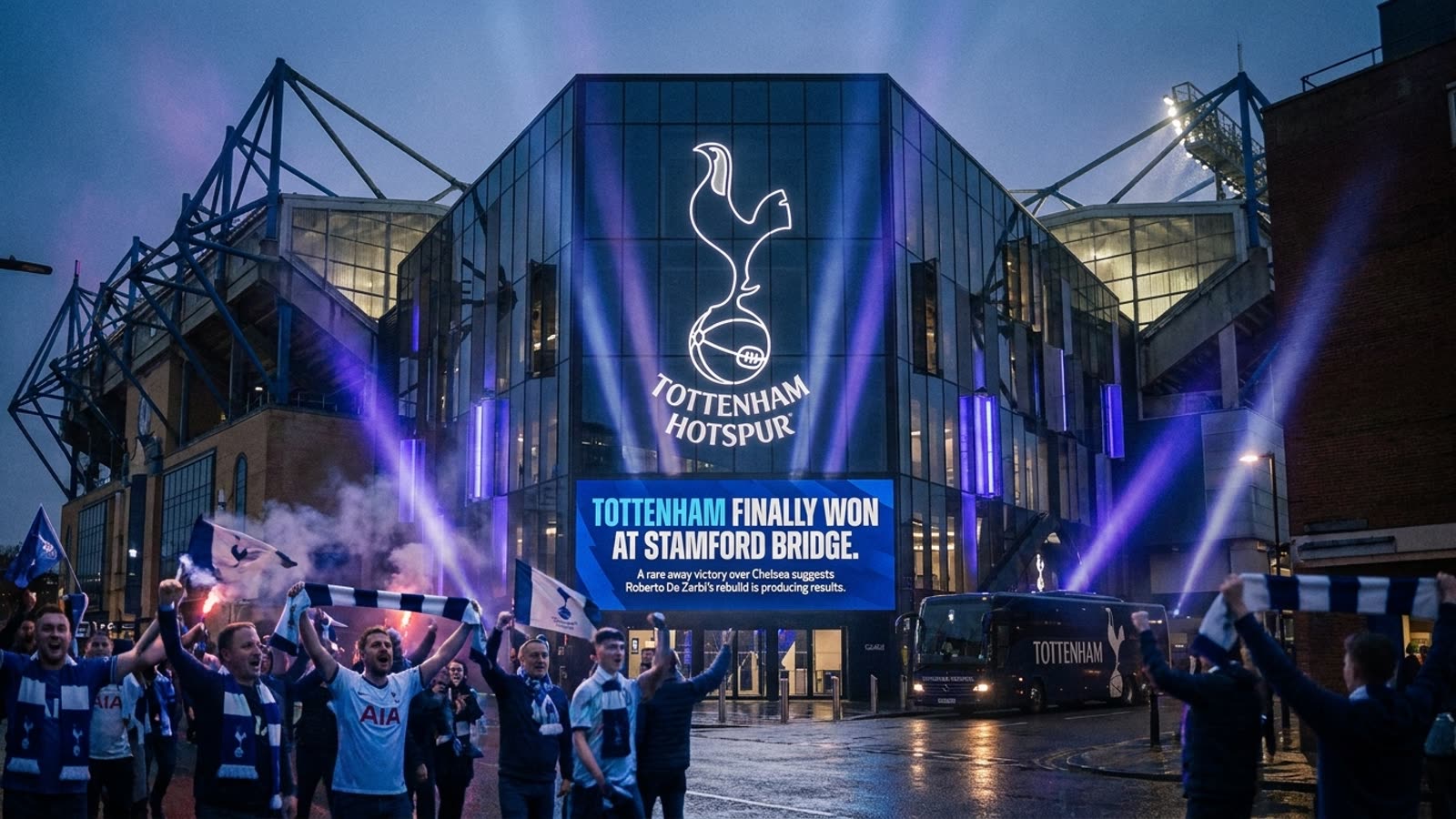
So when Tottenham secured only their second Premier League victory at Chelsea's home in what feels like geological time, the temptation was to file it under fluke. But this win, under Roberto De Zerbi, carried a different texture.
The De Zerbi effect takes shape
The Italian manager arrived at Tottenham with a reputation for building aesthetically pleasing sides that could occasionally forget to win. His Brighton team had been the darling of the analytics community, all progressive passes and high expected-goal outputs, but silverware remained theoretical. The concern was that Spurs, already expert at beautiful futility, might simply become more elegantly disappointing.
Instead, De Zerbi appears to have absorbed the lesson that Brighton taught him. This Tottenham side retains the positional sophistication—the rotations, the overloads, the patient construction—but has added something his previous project lacked: a willingness to be pragmatic when the situation demands it. Against Chelsea, Spurs absorbed pressure when necessary, defended their box with actual conviction, and punished a home side that seemed determined to self-destruct.
Chelsea's recurring nightmares
The Blues' problems were painfully familiar. Goalkeeping errors that would embarrass a Sunday league side. Disciplinary lapses that reduced their numerical advantage to parity, then worse. The expensive squad assembled through years of chaotic recruitment continues to resemble a collection of talented individuals rather than a functioning team. Chelsea's home form, once a fortress, has become a source of anxiety rather than confidence.
For the neutral, watching Chelsea implode is either entertaining or tedious depending on one's appetite for schadenfreude. For Tottenham, it was simply an opportunity to be seized—and crucially, they seized it.
Where Spurs sit now
Tottenham end the weekend in twelfth place, their highest league position since early January. This is not title-challenging territory, and nobody at the club should be measuring themselves for a trophy parade. But context matters. After years of false dawns and managerial churn, Spurs appear to have something resembling a coherent project. De Zerbi's methods require patience and the right personnel, and the early signs suggest both might finally be present in north London.
The fixture list will provide sterner tests. Arsenal, Liverpool, and Manchester City await. But psychological barriers matter in football, and Stamford Bridge has been one of Tottenham's most stubborn obstacles.
Our take
One swallow does not make a summer, and one win at Chelsea does not make Tottenham contenders. But it does suggest that De Zerbi is building something with structural integrity rather than just aesthetic appeal. Spurs fans have been burned too many times to fully believe, but this victory—scrappy, disciplined, and away from home against a local rival—is precisely the kind of result that separates projects with potential from projects that merely look good on paper. The question now is whether Tottenham can sustain this version of themselves, or whether the old habits will resurface when the pressure intensifies. For now, at least, they have earned the right to cautious optimism.