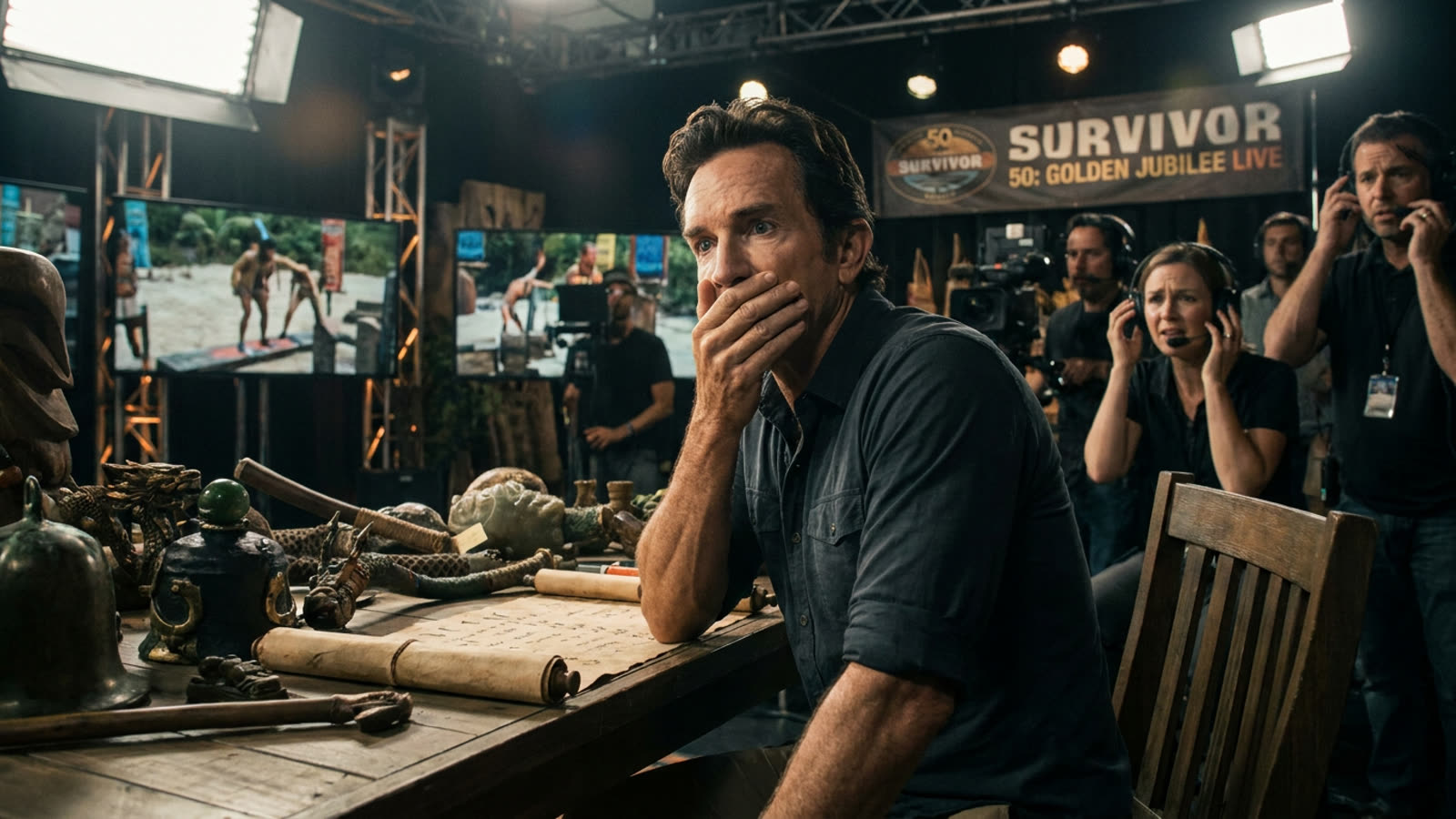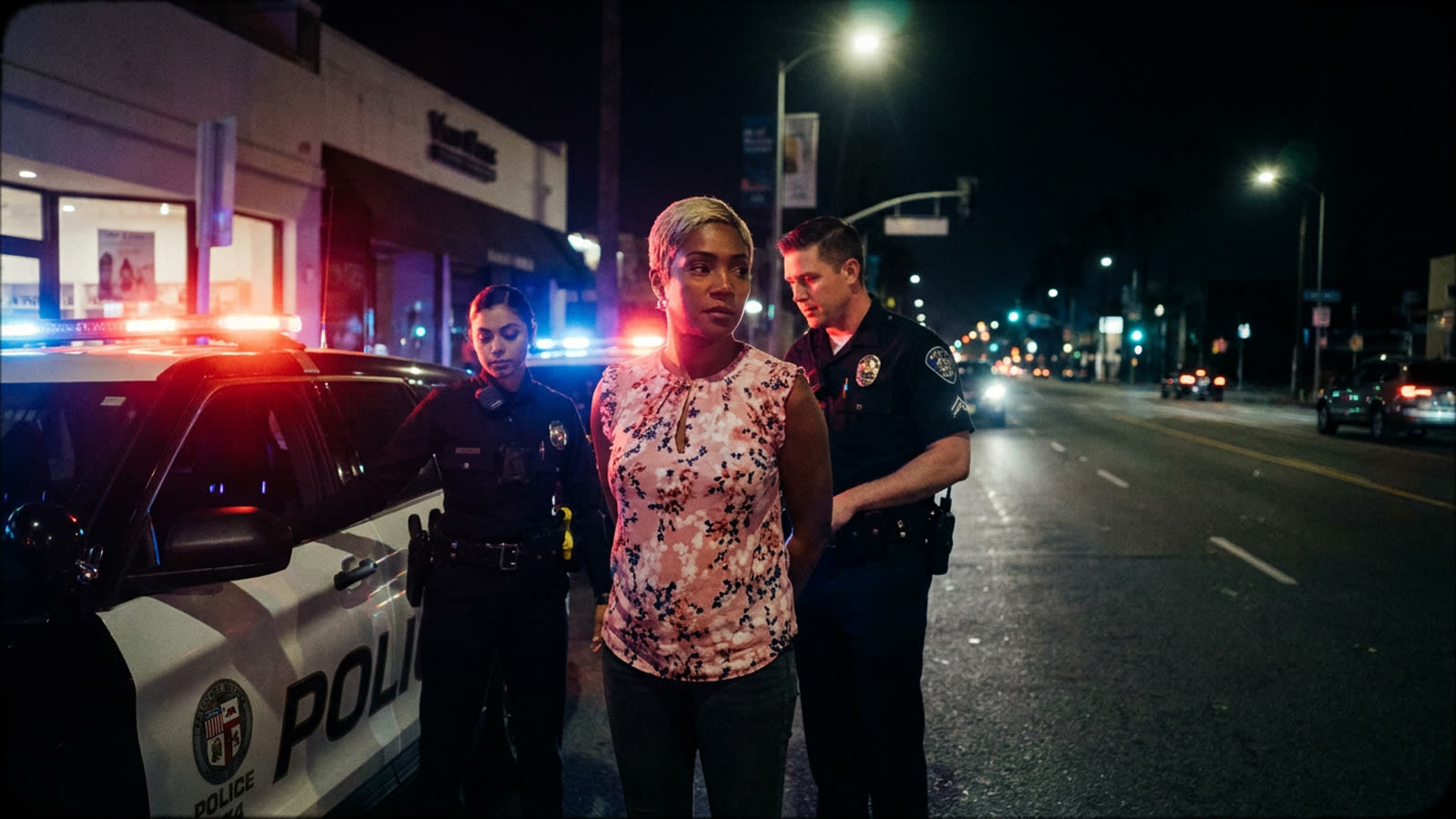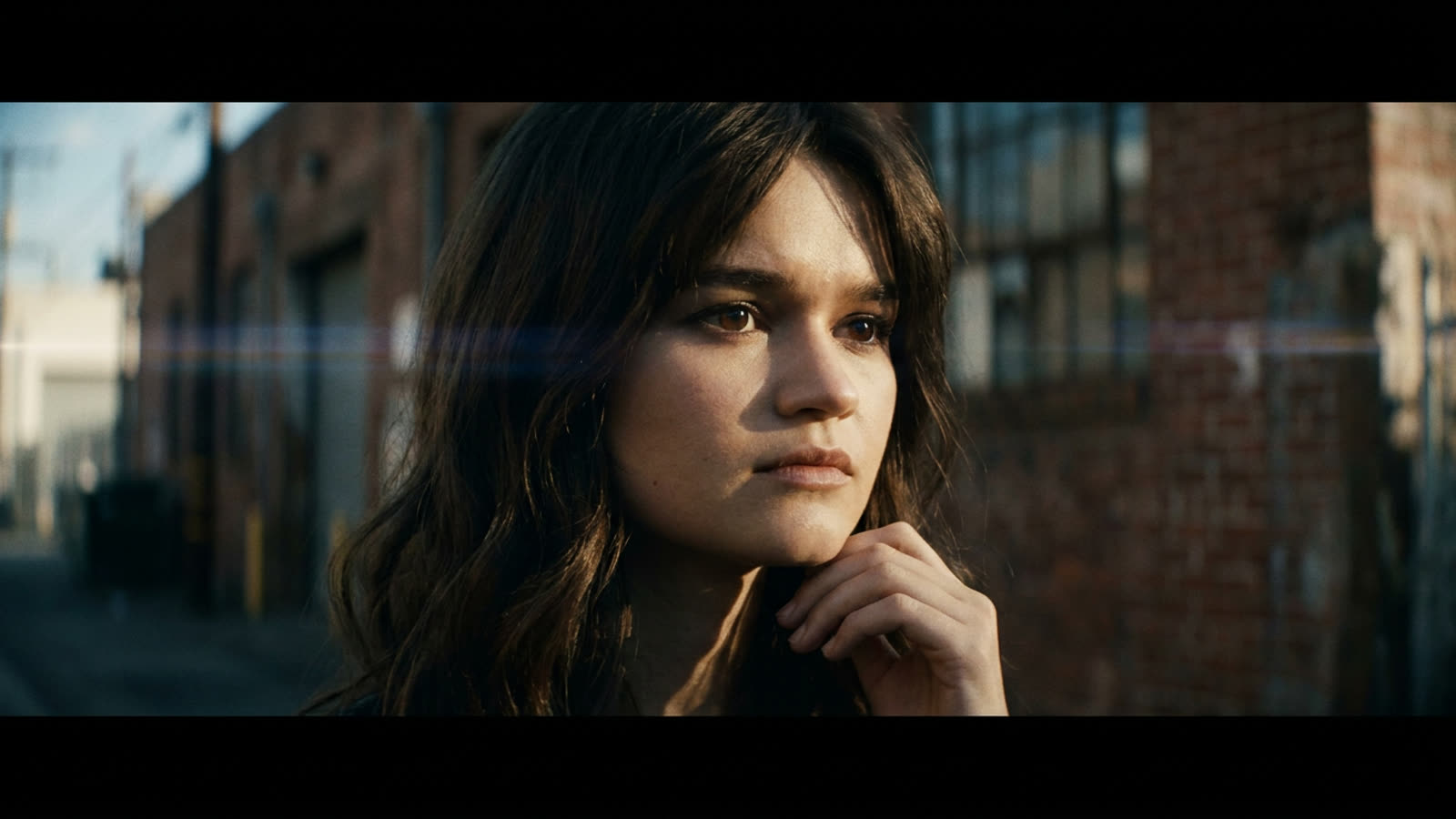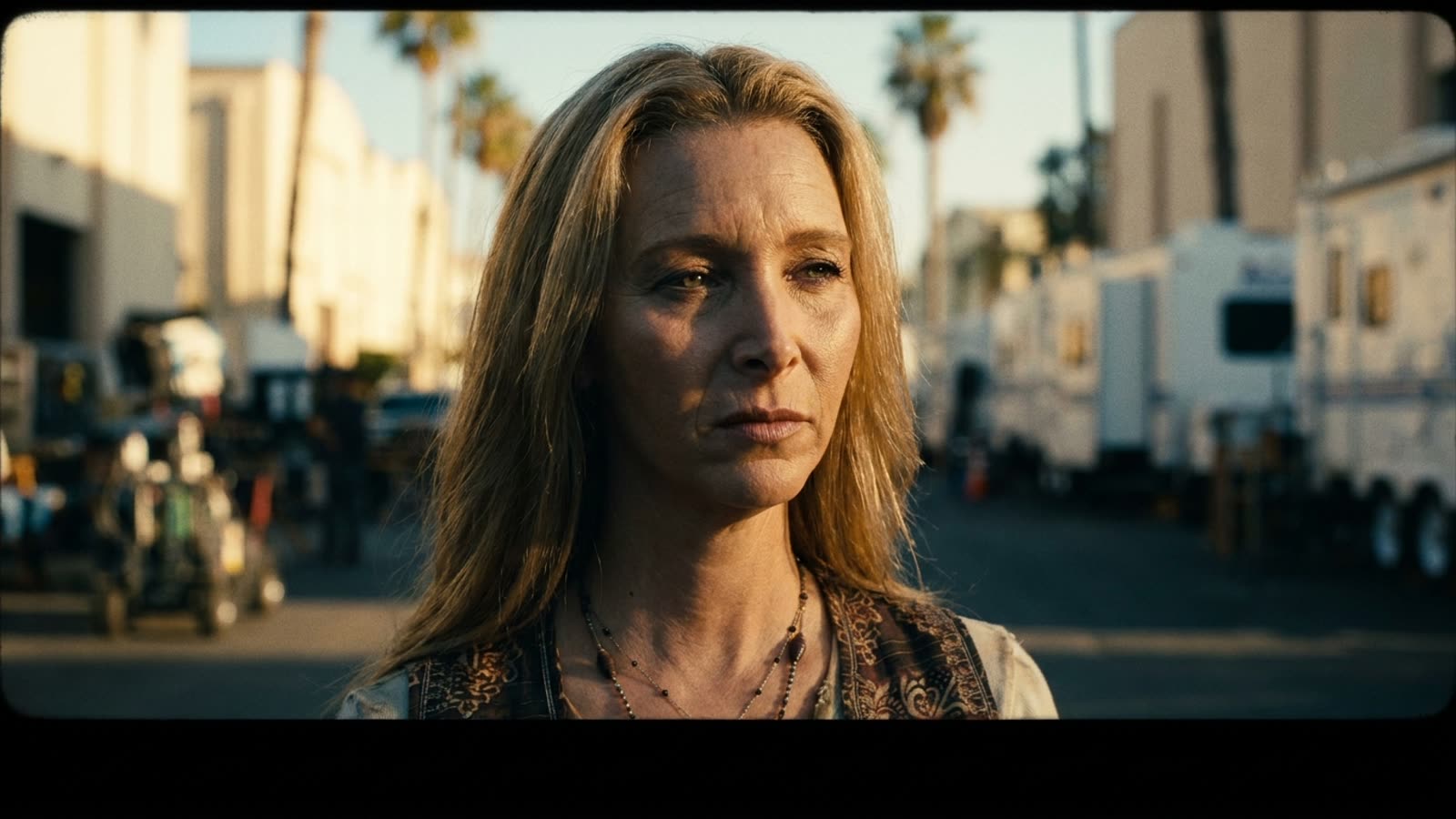
For twenty years, Valerie Cherish has been television's most uncomfortable mirror. Lisa Kudrow's delusional, desperate, endlessly striving D-list actress first appeared in 2005, returned in 2014, and now, against all reasonable expectation, has taken her final bow on HBO Max. The series finale of "The Comeback" does what the show has always done best: it makes you laugh while you squirm, root for someone you probably shouldn't, and question whether the entertainment industry's cruelty is any different from your own.
The ending, by all accounts, is not a happy one—at least not in any conventional sense. Five minutes before the credits, Valerie's story appears headed toward the grim conclusion her trajectory always promised. Then something shifts. Whether that shift constitutes redemption, delusion, or simply more of the same depends entirely on how much you've been paying attention.
The Aniston factor
Jennifer Aniston's surprise appearance on the companion podcast—asking Valerie whether it's "lonelier at the top or in the middle"—functions as both meta-commentary and genuine pathos. Aniston, who shared a network with Kudrow during their "Friends" years, represents the path not taken: the A-list career, the magazine covers, the projects that don't require quotation marks around the word "comeback." That she's asking Valerie this question, rather than the other way around, tells you everything about what the show thinks of Hollywood's hierarchy.
Why now matters
The timing of this finale feels almost too perfect. We're deep in an era of legacy sequels, belated revivals, and IP strip-mining. Every dormant franchise gets another season; every retired character gets another arc. "The Comeback" returning for a third season could have been just another nostalgia play. Instead, it became a meditation on what happens when the culture that forgot you suddenly remembers—and whether being remembered is actually what you wanted.
Kudrow, speaking to Vogue ahead of the finale, described saying goodbye to Valerie as genuinely difficult. After two decades of inhabiting a character defined by her inability to let go, the actress had to do precisely that. The irony is not lost on anyone involved.
Our take
Valerie Cherish never deserved a happy ending because "The Comeback" was never interested in what anyone deserves. It was interested in what people want, what they'll do to get it, and what they tell themselves along the way. The finale honors that vision by refusing to resolve cleanly. Valerie gets something—closure, recognition, a moment of grace—but the show leaves you uncertain whether she's finally achieved self-awareness or simply found a more sophisticated form of self-deception. For a series about performance, that ambiguity is the only honest conclusion.