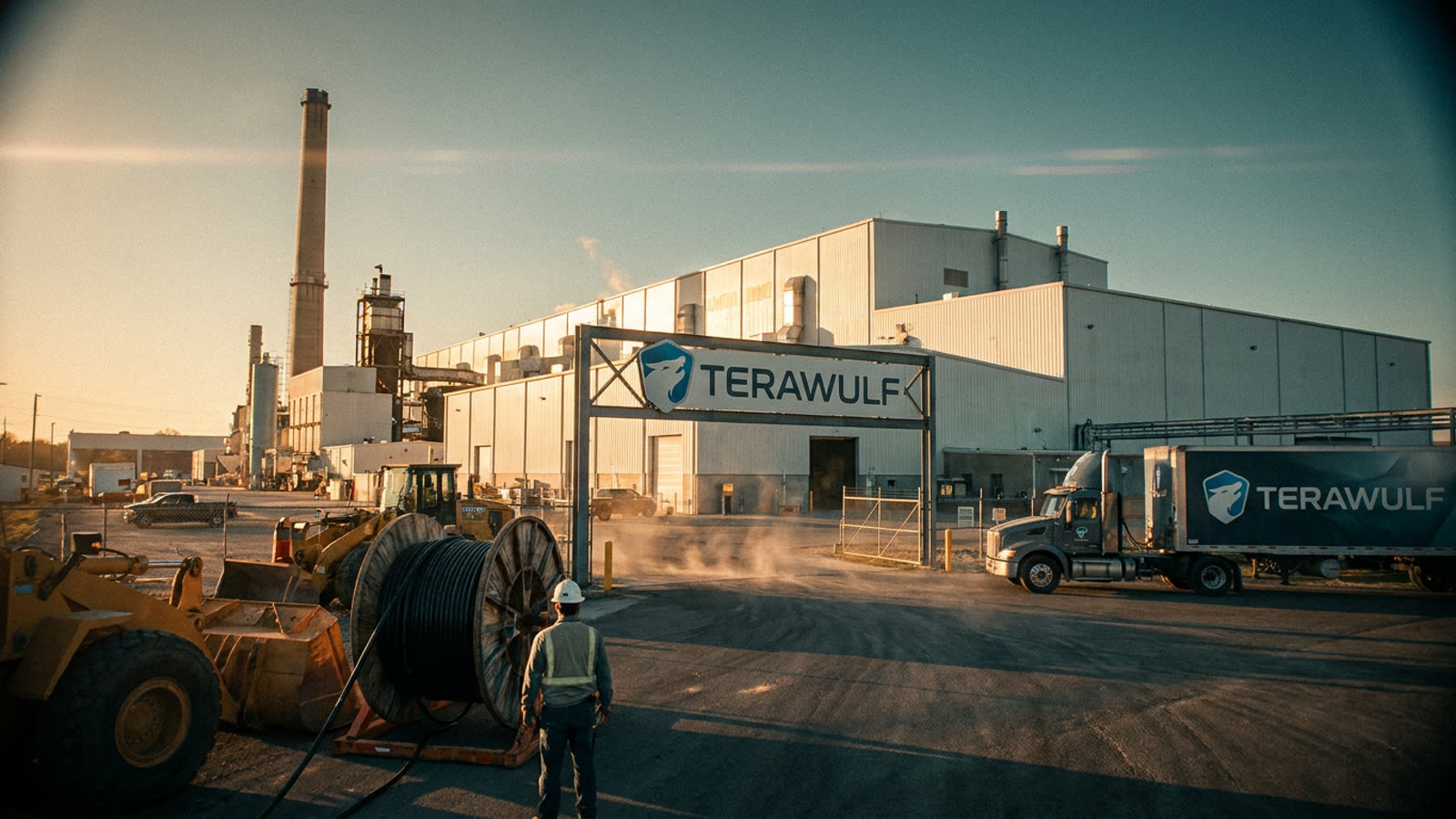
The thesis is elegantly simple: if you already own the substations, the fiber, and the relationships with rural utility commissions, you can rent that capacity to anyone who needs to run hot silicon at scale—and right now, that means AI training clusters as much as SHA-256 hash farms.
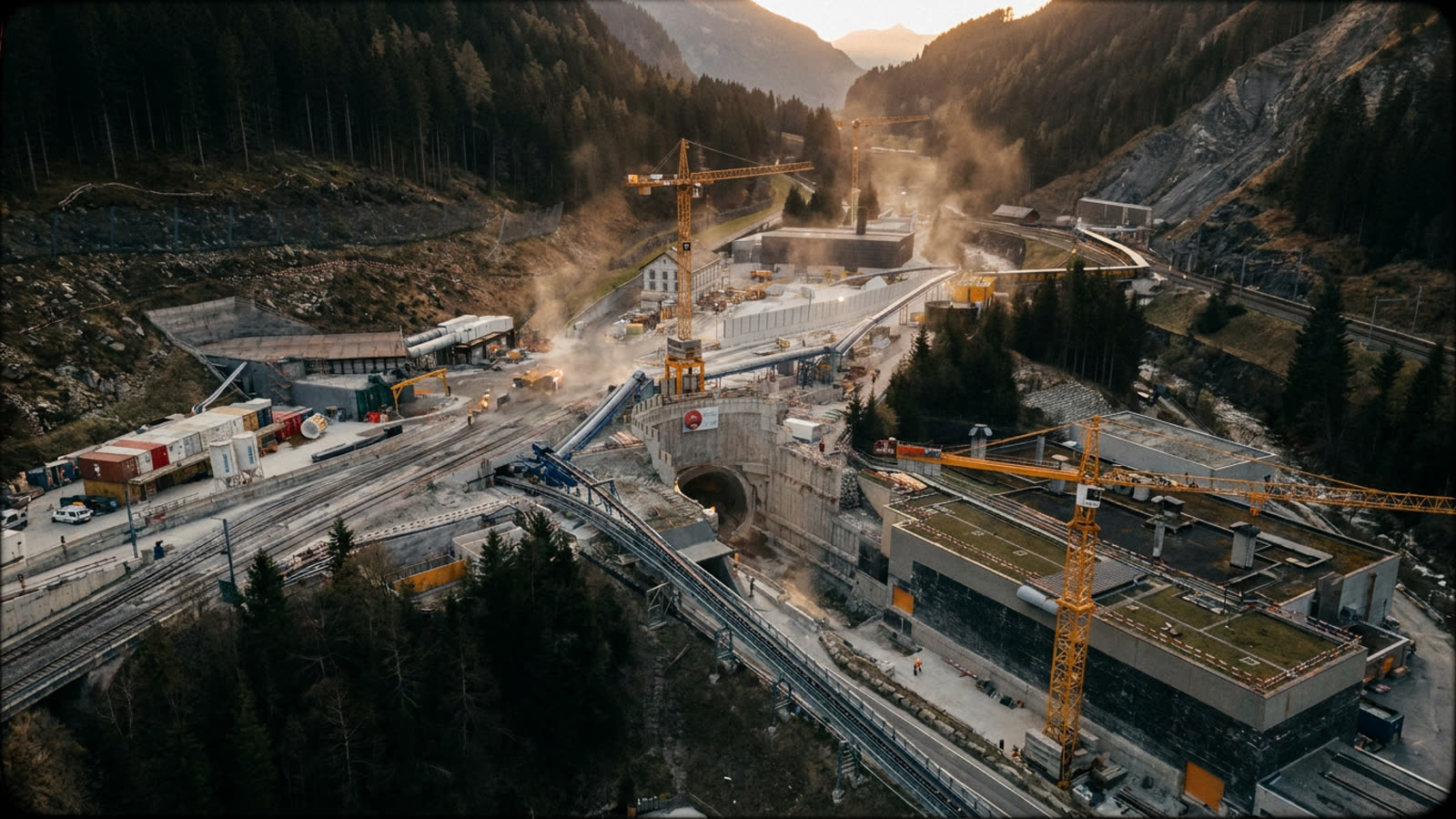
TeraWulf's shares climbed more than 12 percent Monday on the announcement that it had secured a site in Kentucky for a new data center facility. The move extends a strategic pivot the company telegraphed last year, when it began marketing excess capacity at its upstate New York operations to hyperscalers hungry for megawatts. Kentucky, with its relatively cheap Appalachian power and business-friendly permitting, offers a template the company clearly intends to replicate.
The miner-to-landlord arbitrage
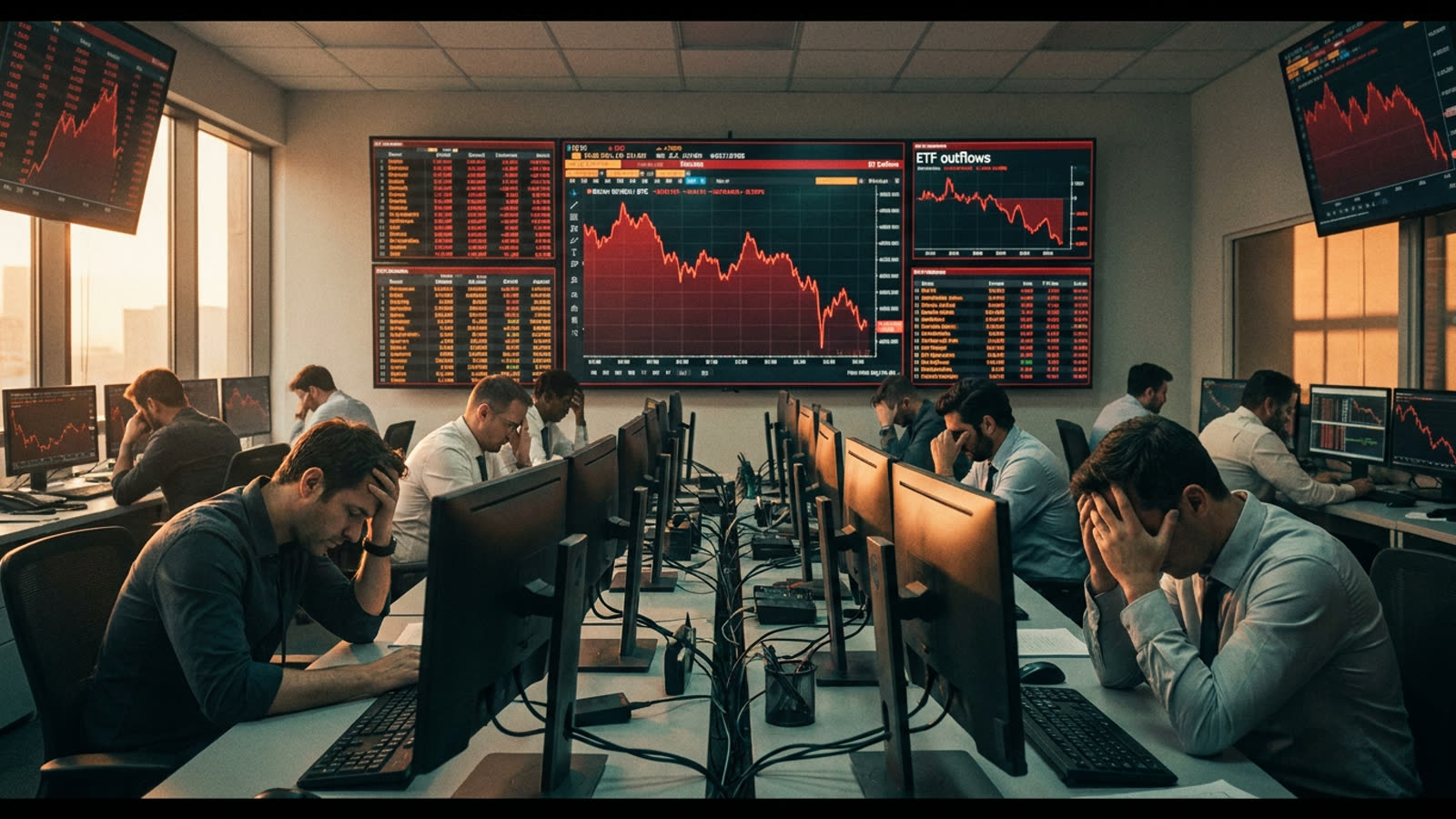
Bitcoin mining economics are brutal. Margins compress after every halving; electricity costs are unforgiving; and the hash rate arms race means today's cutting-edge ASIC is tomorrow's space heater. The survivors have learned to treat mining as a loss-leader for something more durable: real estate with industrial-grade power hookups.
TeraWulf is not alone. Riot Platforms, Marathon Digital, and Core Scientific have all flirted with—or fully embraced—diversification into general-purpose compute hosting. The Kentucky acquisition is simply the latest confirmation that the market rewards this flexibility. Investors are no longer buying a levered bet on Bitcoin's next leg up; they are buying optionality on the entire GPU-hungry economy.
Why Kentucky, why now
The Bluegrass State sits at a geographic sweet spot: close enough to Midwestern fiber backbones, far enough from coastal land costs, and blessed with legacy coal-grid infrastructure that can be repurposed for data-intensive loads. Local officials, eager to replace extractive-industry jobs, have rolled out incentives for exactly this kind of development.
Timing matters too. The AI training buildout shows no sign of slowing, and hyperscalers are increasingly willing to sign long-term power-purchase agreements with anyone who can guarantee uptime. A Bitcoin miner with an existing substation relationship can often deliver capacity faster than a greenfield developer starting from scratch.
Our take
TeraWulf's stock pop is less about Kentucky real estate than about narrative arbitrage. The company is rebranding from crypto speculation to AI infrastructure, and Wall Street is buying the story. Whether the underlying economics justify a double-digit single-day move is another question—land deals do not, by themselves, generate cash flow. But in a market desperate for exposure to the AI supply chain without paying Nvidia multiples, a Bitcoin miner with a shovel and a power contract suddenly looks like a value play. Stranger things have worked.