There was a time when senators kept their distance from reality television stars, maintaining at least the pretense that governing and performing were separate crafts. Ted Cruz has apparently decided that era is over. The Texas Republican recently offered fulsome praise for Spencer Pratt—yes, the bleach-blond antagonist of MTV's The Hills who spent the late aughts being professionally despicable—while simultaneously attacking Los Angeles Mayor Karen Bass over wildfire response.
The collision of these two worlds would have seemed absurd a decade ago. Now it barely registers as unusual.
The strange bedfellows of disaster politics
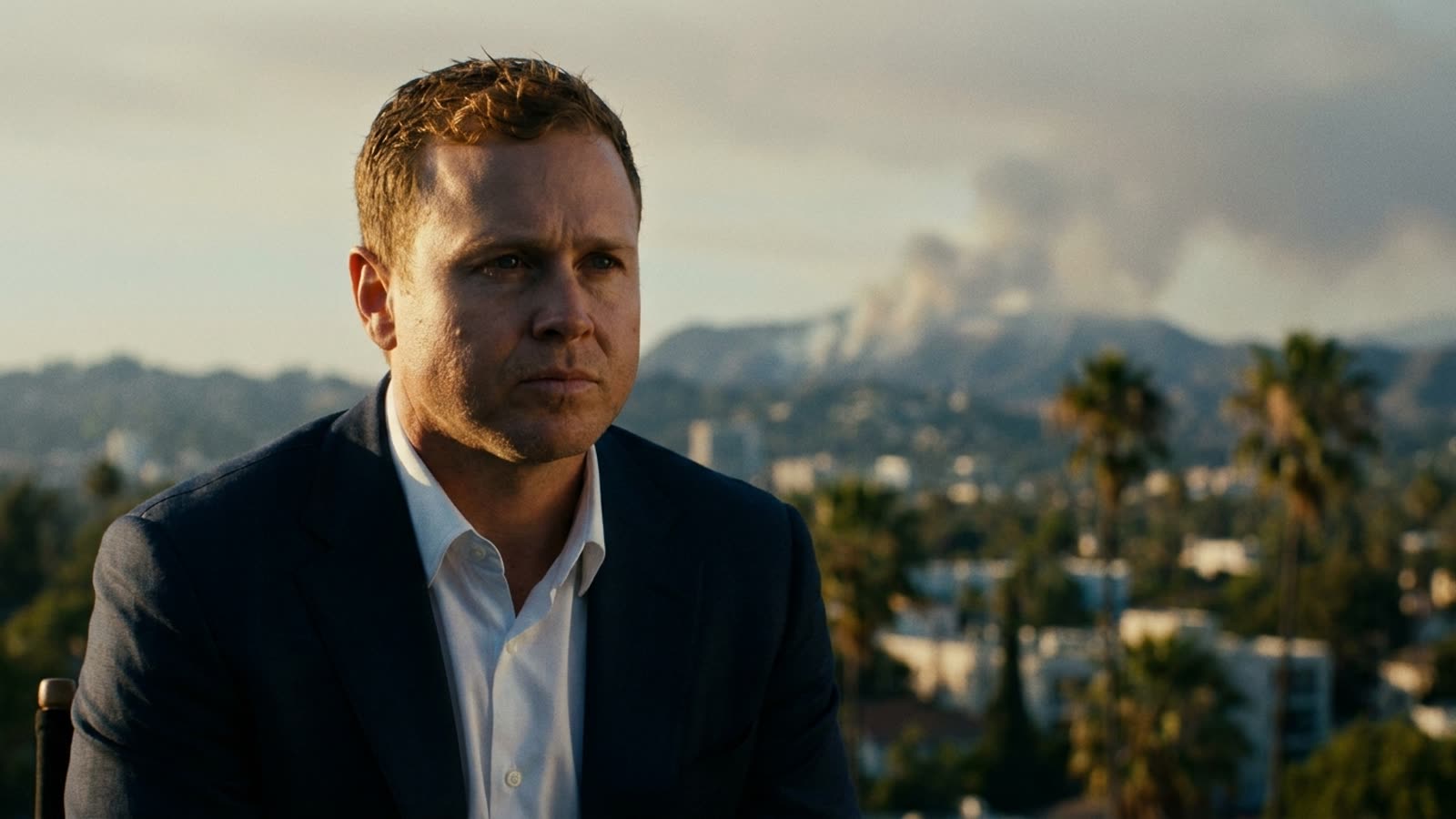
Pratt, who lost his Pacific Palisades home in the January wildfires, has reinvented himself as a surprisingly effective social media chronicler of LA's disaster response failures. His TikTok commentary, mixing genuine grief with his trademark provocateur energy, has earned him an unexpected audience among conservatives eager to criticize California governance. Cruz, never one to miss a culture-war opportunity, seized on Pratt's visibility to amplify his own attacks on Bass's leadership.
What makes this alliance fascinating is how completely it inverts both men's previous public images. Cruz, the Harvard-educated debate champion, once represented the intellectual wing of conservatism. Pratt built his career on being gleefully shallow, the kind of villain reality producers dream about. Yet here they are, united in content-creation synergy.
Reality TV's long march through the institutions
The Pratt-Cruz moment is less an anomaly than a logical endpoint. Since a reality television host won the presidency in 2016, the membrane between entertainment and governance has grown increasingly permeable. Politicians now think in terms of clips, moments, and engagement metrics. Reality stars, conversely, have learned that political commentary generates the kind of attention that brand partnerships cannot buy.
Pratt's trajectory is particularly instructive. After The Hills ended, he and wife Heidi Montag became cautionary tales of fame addiction, blowing through millions on plastic surgery and crystals. The wildfire that destroyed their home also, paradoxically, revived his relevance. Tragedy, documented in real-time, proved more compelling than any MTV storyline.
Our take
There is something darkly comic about Ted Cruz, who once positioned himself as a constitutional scholar, finding common cause with a man famous for spreading his wife's nude photos to tabloids. But the joke reveals a genuine truth about contemporary American public life: the skills that make someone successful on reality television—shamelessness, narrative instinct, comfort with conflict—are now the skills that drive political media. Cruz isn't slumming by associating with Pratt. He is recognizing a peer.