The question that has haunted every AI-adjacent earnings call for two years finally broke through to the trading floor: what exactly is all this spending buying?
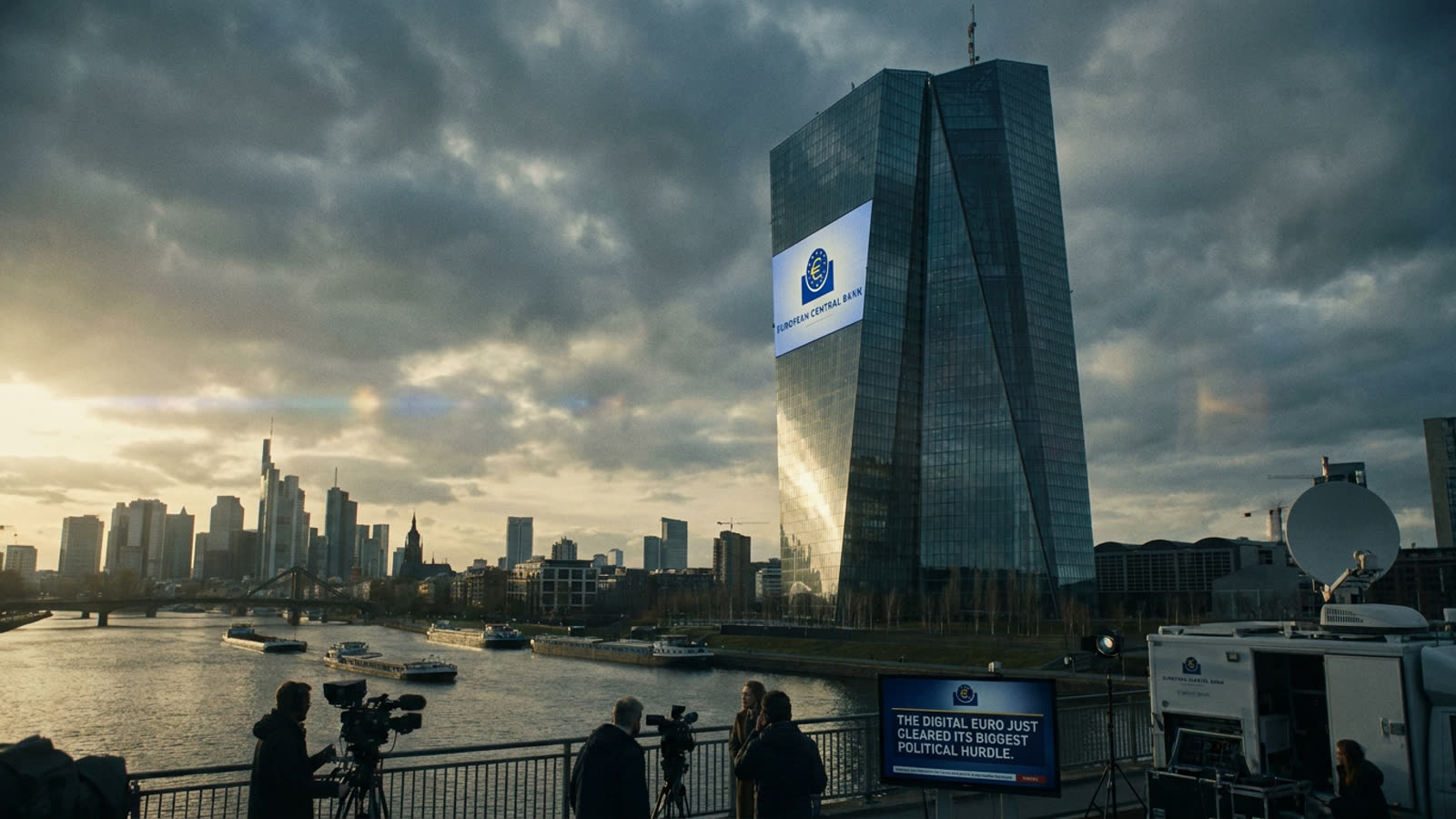
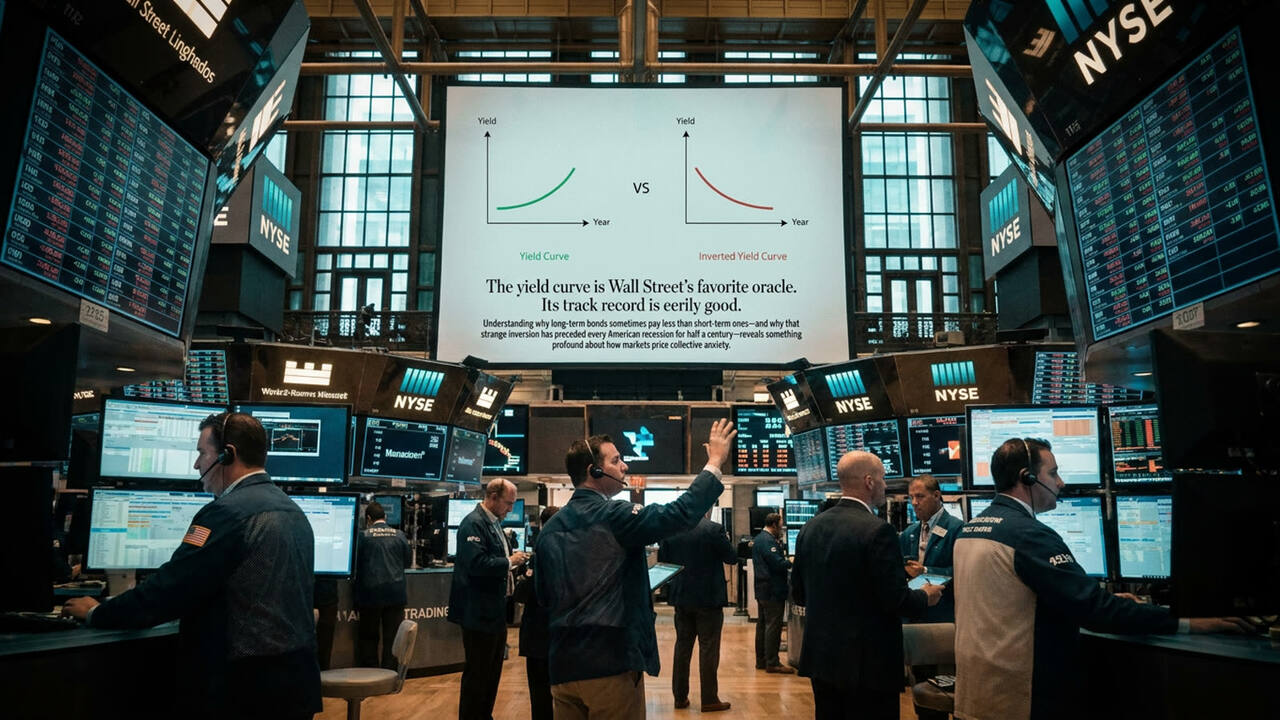
The Nasdaq Composite dropped more than 2% on Tuesday in what traders are calling the sharpest tech-led selloff since the regional banking panic of early 2023. The S&P 500 followed, dragged down by the same megacap names that have carried it to record highs. The proximate cause was a cascade that began in Seoul, where South Korean markets plunged on semiconductor export concerns, but the real fuel was domestic: a Federal Reserve that refuses to blink, and a growing suspicion that the artificial intelligence investment thesis has become untethered from near-term returns.
The Fed factor
Chair Jerome Powell's recent commentary has been unambiguous. Inflation remains sticky in services, the labor market refuses to crack, and the Fed sees no urgency to cut rates before year-end. For an equity market that spent much of 2025 pricing in three to four cuts by mid-2026, this is an uncomfortable recalibration. The yield on the 10-year Treasury has crept back above 4.5%, and growth stocks—whose valuations depend on discounting future earnings at lower rates—are feeling the gravitational pull.
But the Fed alone does not explain why technology is leading the decline while utilities and consumer staples hold steady. That requires examining the other half of the story.
The AI capex question
Microsoft, Alphabet, Amazon, and Meta have collectively committed hundreds of billions of dollars to data centers, custom silicon, and inference infrastructure. The market rewarded this spending handsomely through 2025, on the theory that generative AI would unlock productivity gains and new revenue streams at unprecedented scale. The problem is that the revenue streams remain stubbornly incremental. Enterprise adoption of copilots and assistants is growing, but not at rates that justify the capital intensity. Advertising remains the primary monetization channel, and advertisers are not yet paying a premium for AI-generated creative.
Investors are now doing the math they deferred during the euphoria phase. If hyperscaler capex continues at current levels but AI-driven revenue grows at single-digit percentages, margins compress. If capex slows, the semiconductor supply chain—Nvidia, AMD, ASML—faces a demand cliff. Neither scenario supports current multiples.
Contagion mechanics
The Korea connection is not incidental. Samsung and SK Hynix supply the high-bandwidth memory chips essential to AI accelerators. When Korean markets tumbled on reports of potential export restrictions and weakening Chinese demand, it sent a signal that the AI hardware boom may be peaking earlier than expected. That signal crossed the Pacific in milliseconds.
The result was a classic risk-off rotation. Funds that had concentrated in the Magnificent Seven scrambled to reduce exposure. Volatility spiked. The VIX, which had been languishing in the mid-teens, jumped above 20 for the first time since April.
Our take
This is not the beginning of a bear market, but it may be the end of a certain kind of complacency. For three years, investors have treated AI capex as inherently virtuous—a bet on the future that would inevitably pay off. Tuesday's selloff is a reminder that capital expenditure is not strategy; it is a cost that must eventually be justified by returns. The companies that can demonstrate clear paths from spending to revenue will recover. The others will discover that the market's patience, like its memory, is shorter than it appears.