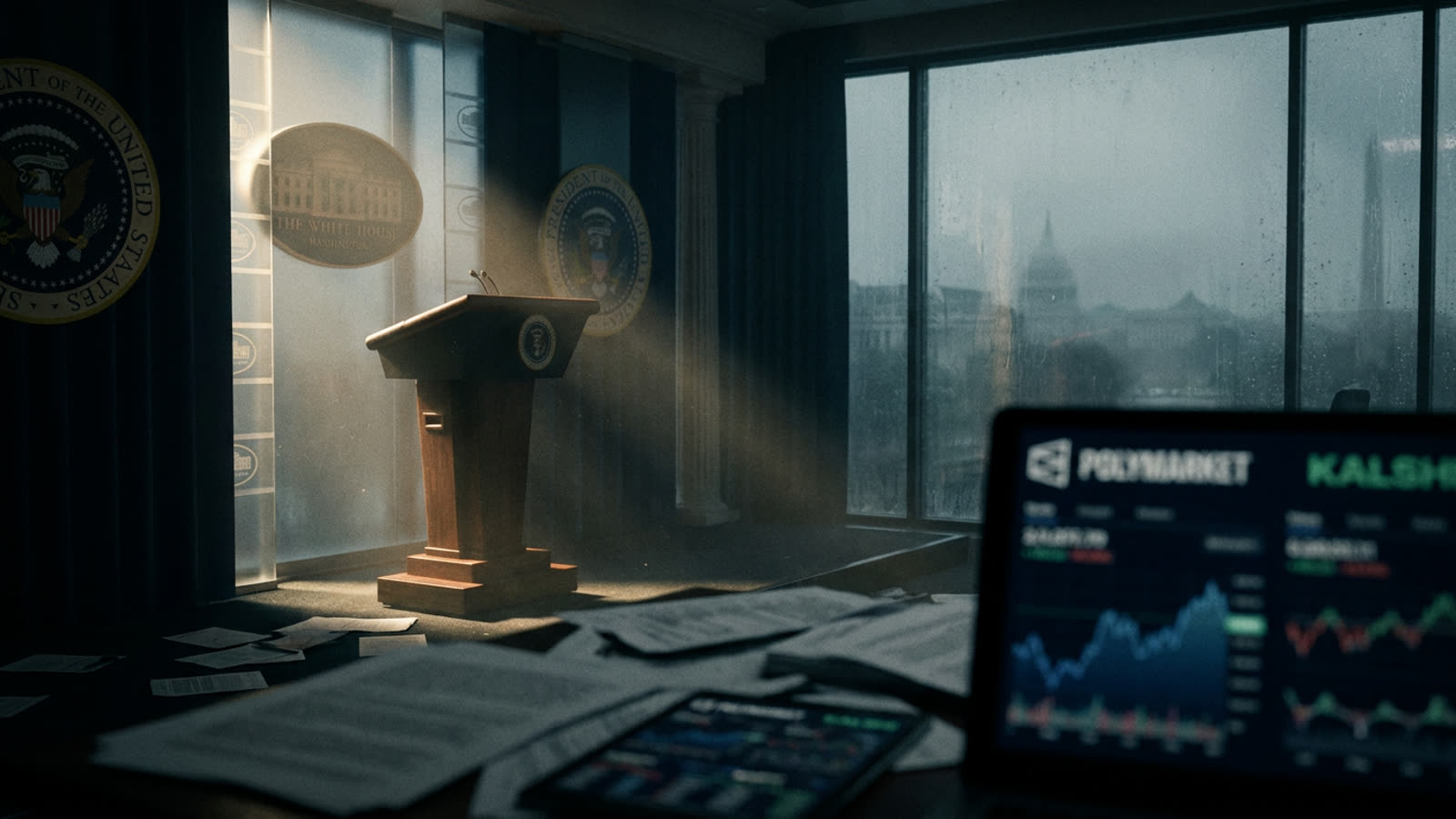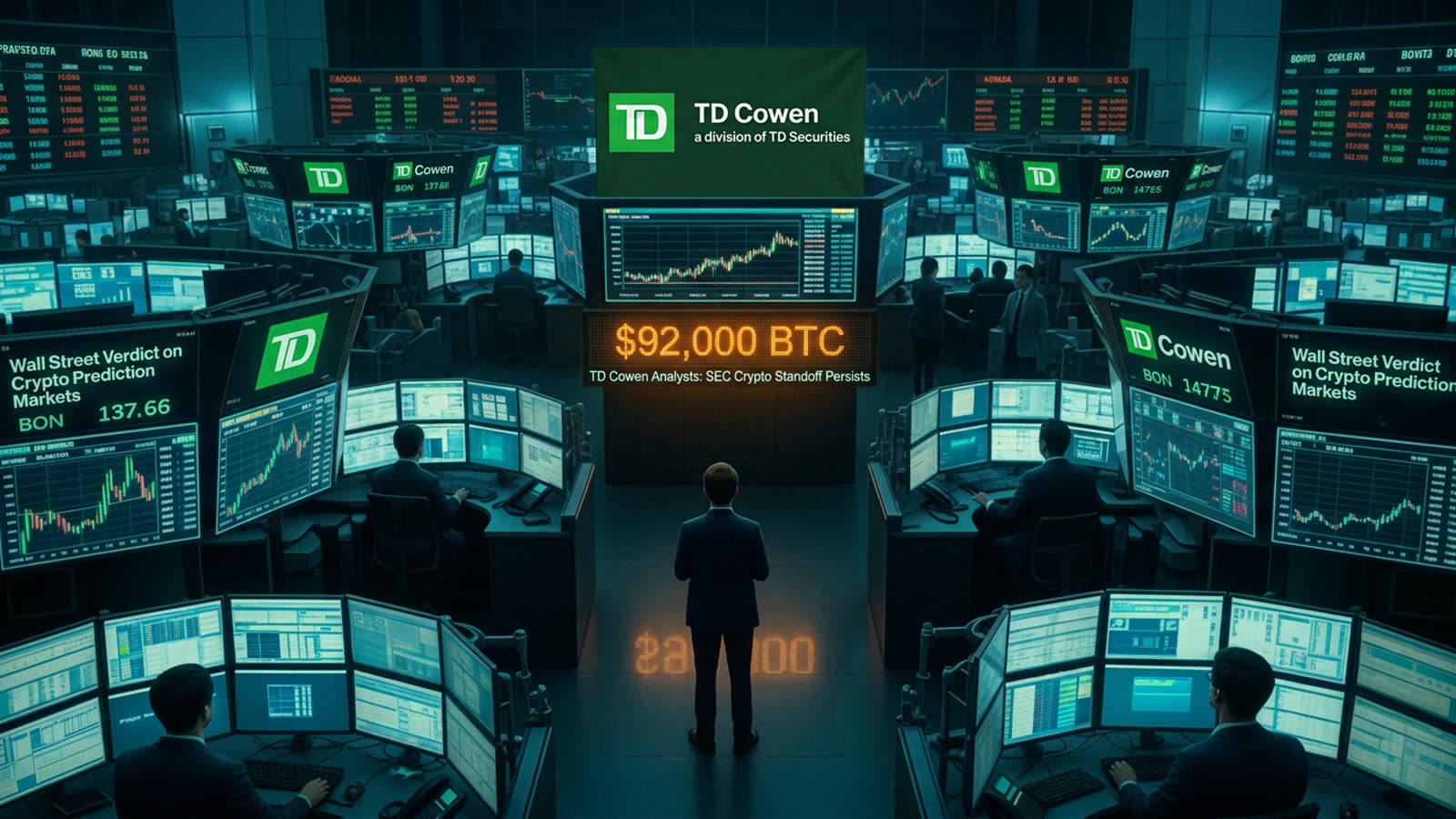
When the President of the United States tweets that he wants something, markets tend to assume he will get it. TD Cowen's regulatory analysts are betting otherwise.
The investment bank released a note this week arguing that Trump's recent social media endorsement of CFTC authority over prediction markets—posted with characteristic bravado—changes little about the grinding legal and bureaucratic obstacles that have kept platforms like Kalshi and Polymarket in regulatory purgatory. The analysts contend that administrative procedure, not executive preference, will determine when and whether Americans can legally bet on elections, geopolitical events, and cultural phenomena through federally regulated exchanges.
The administrative reality
The CFTC has been wrestling with event contracts since the Dodd-Frank era, and the agency's internal rulemaking process moves at a pace that makes congressional legislation look nimble. Any expansion of prediction market authority requires formal notice-and-comment rulemaking, potential litigation from skeptical state attorneys general, and coordination with the SEC on contracts that might be deemed securities. Trump's post accelerates none of this. The White House review of CFTC rulemaking, announced separately, is a procedural step that could take months before producing actionable guidance.
TD Cowen's analysts note that Kalshi's ongoing legal battles over election contracts have already survived one administration's hostility and another's indifference. The company won a significant court ruling last year permitting certain political event contracts, but the CFTC's enforcement posture remains murky. Polymarket, meanwhile, operates offshore precisely because it concluded years ago that the American regulatory environment was too hostile to navigate.
Why markets got ahead of themselves
Crypto and prediction market tokens rallied modestly after Trump's post, with traders apparently pricing in faster regulatory clarity. TD Cowen suggests this optimism is misplaced. The firm points to the CFTC's limited budget, its ongoing leadership transition, and the likelihood that any major rulemaking would face legal challenges from consumer protection groups who view prediction markets as thinly veiled gambling.
The analysts also observe that Trump's attention span for regulatory minutiae is historically brief. His administration has prioritized tariffs, immigration enforcement, and energy deregulation—areas where executive action can produce immediate results. Prediction markets require the kind of sustained bureaucratic engagement that rarely survives a news cycle.
Our take
TD Cowen is probably right, and that is both frustrating and clarifying. Prediction markets have demonstrated genuine utility for information aggregation, from election forecasting to pandemic tracking. But their path to mainstream American legality runs through administrative law, not presidential tweets. Trump's endorsement matters as a signal of political permission, but the actual work of rulemaking will proceed at its own glacial pace. Investors betting on a prediction market boom should calibrate their timelines accordingly—this is a multi-year story, not a multi-week trade.