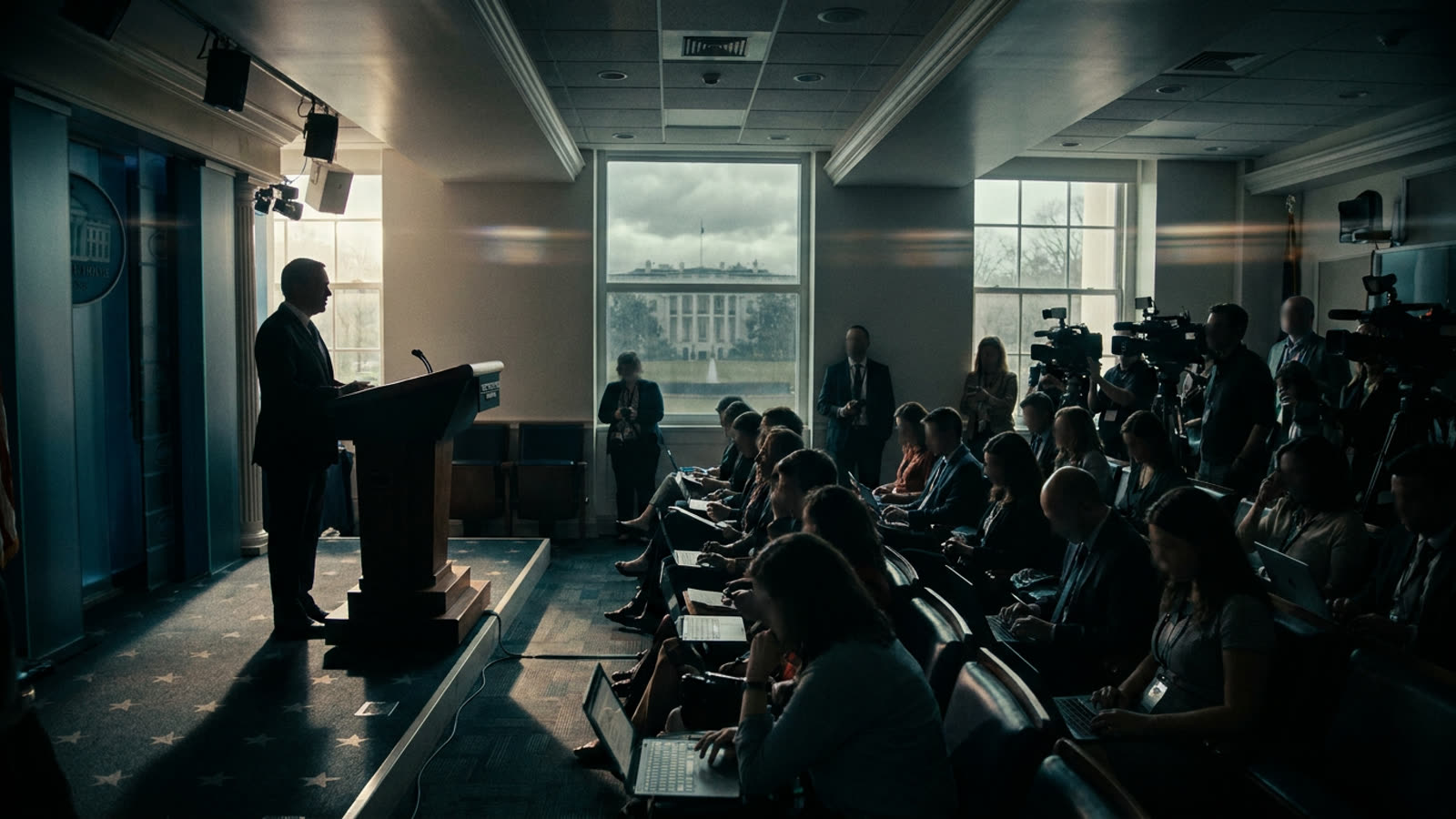
Donald Trump's vocal support for prediction markets has electrified the crypto-adjacent betting industry, but Wall Street's regulatory analysts are pouring cold water on the notion that a presidential post can rewrite federal law. TD Cowen's latest note to clients concludes that the CFTC's ongoing rulemaking—and the legal challenges swirling around platforms like Polymarket and Kalshi—will grind forward regardless of what the White House tweets.
The tension exposes a recurring theme of the Trump crypto era: executive enthusiasm colliding with administrative procedure.
The machinery problem
The Commodity Futures Trading Commission opened a formal review of prediction-market rules earlier this year, a process that involves public comment periods, interagency coordination, and potential congressional scrutiny. TD Cowen's analysts note that once such a rulemaking is initiated, it develops institutional inertia. A president can signal preferences, replace commissioners over time, and pressure agencies informally—but he cannot simply decree that event contracts on elections or sports are suddenly permissible.
Moreover, the legal battles are not purely regulatory. Kalshi's lawsuit against the CFTC over election contracts remains in litigation, and the outcome will turn on statutory interpretation, not political sentiment. Courts are unlikely to treat a Truth Social post as binding legal guidance.
What Trump actually controls
The White House does have levers. The administration can influence the pace of rulemaking, shape the composition of the commission through appointments, and use the bully pulpit to shift the Overton window on gambling-adjacent financial products. Over a four-year term, these tools matter. But TD Cowen's point is narrower: the current legal fights and the current rulemaking cycle are unlikely to bend to presidential will in the near term.
For Polymarket, which operates offshore and serves U.S. users through a legal gray zone, the calculus is even more complex. Regulatory clarity from Washington could theoretically help—or it could invite enforcement actions that the platform has so far avoided by staying outside American jurisdiction.
The market's read
Prediction-market tokens and related equities have rallied on Trump's comments, suggesting traders are betting on eventual liberalization. But TD Cowen's note is a reminder that "eventual" can be a long time in regulatory years. The CFTC review alone could stretch into 2027, and any rule changes would face legal challenges from opponents who view election betting as a threat to democratic integrity.
Our take
Trump's instinct—that prediction markets are useful information tools and should be legal—is defensible. But the gap between instinct and implementation is where crypto-friendly administrations have repeatedly stumbled. The prediction-market industry would be wise to treat presidential cheerleading as a tailwind, not a guarantee. The courts and the bureaucracy will have the final word, and they operate on their own timeline.