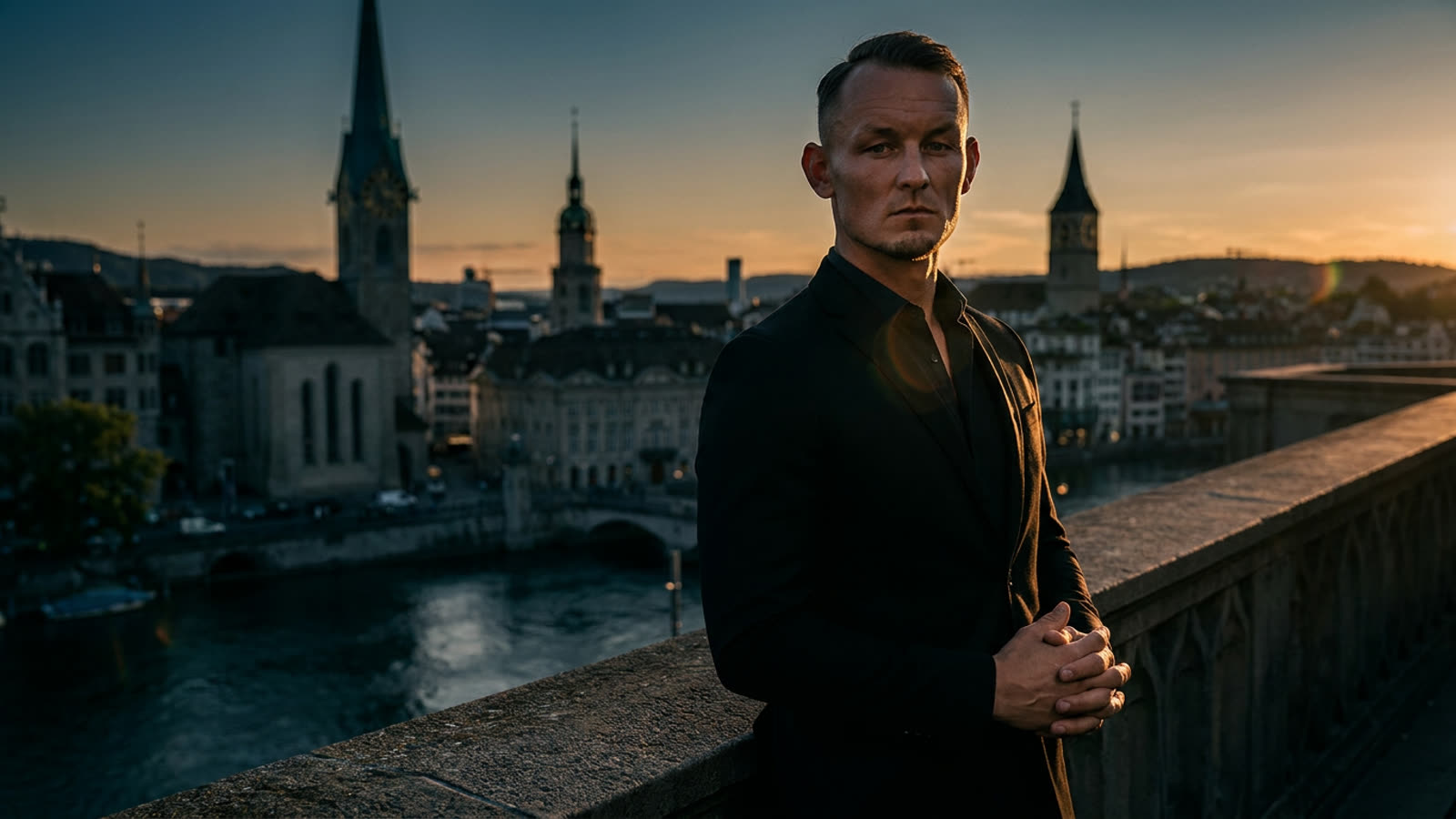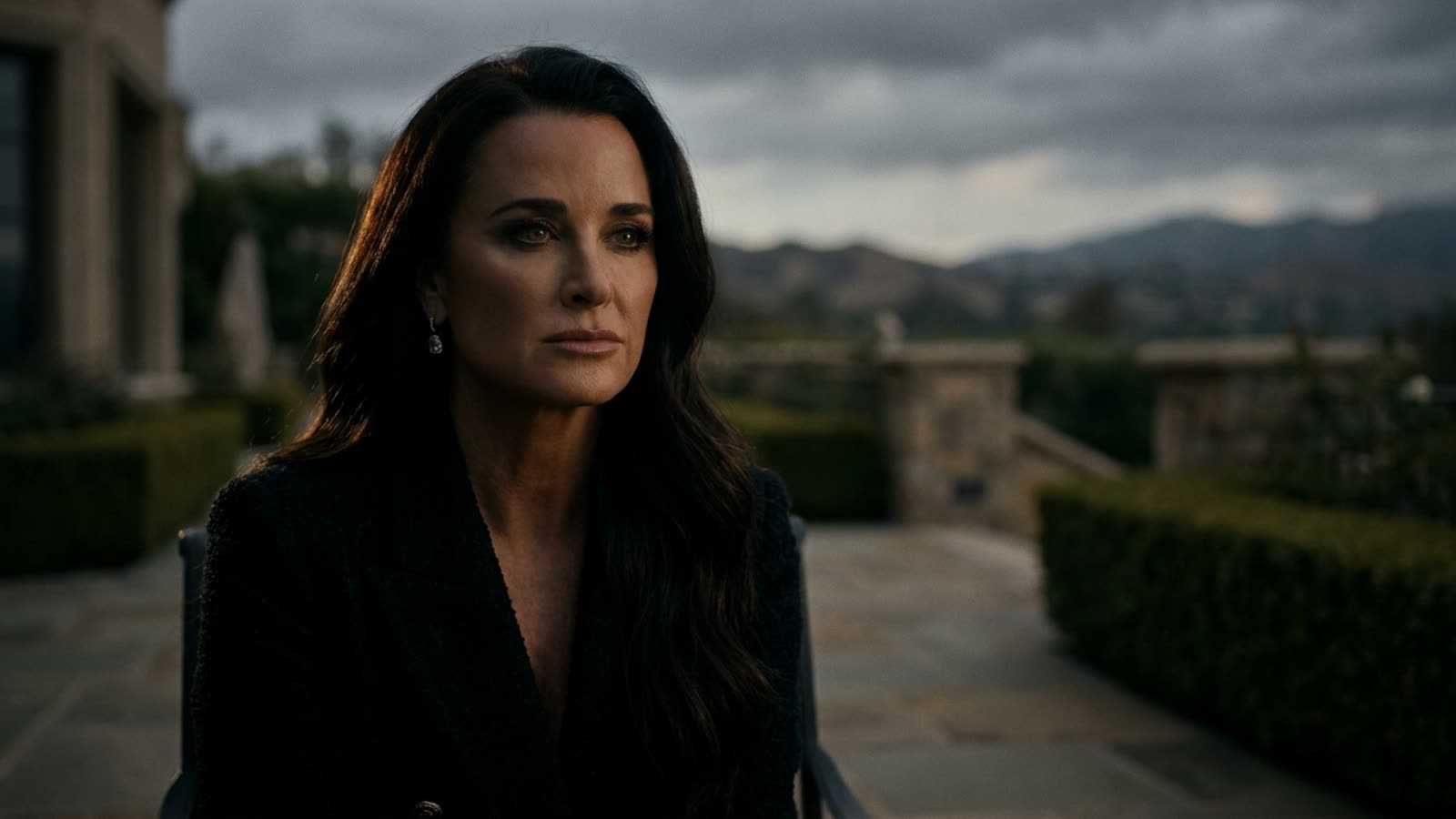
The woman who accidentally invented a genre still can't escape it. Taylor Frankie Paul, the Mormon momfluencer whose 2022 confession about "soft swinging" among her Utah friend group detonated across TikTok and spawned Hulu's The Secret Lives of Mormon Wives, remains the franchise's most complicated figure — and the one least likely to find the absolution she keeps seeking.
Three years on, Paul occupies a strange purgatory: too scandalous for the modest-living Mormon aesthetic she once embodied, too earnest for the irony-poisoned corners of the internet that made her famous. Her continued presence in the MomTok universe raises an uncomfortable question about the economy she helped create: Can influencer culture, which runs on parasocial intimacy and perpetual reinvention, actually accommodate genuine contrition?
The confession industrial complex
Paul's original sin — revealing that several picture-perfect Mormon couples in her circle were quietly swapping partners — broke the fourth wall of aspirational content creation. The appeal of MomTok had always been its uncanny valley quality: women who looked like catalog models performing domesticity with suspicious enthusiasm. Paul's admission didn't just expose hypocrisy; it confirmed what skeptical viewers had suspected all along.
What followed was the predictable cycle: tearful apologies, a messy divorce, a domestic violence arrest involving her new boyfriend, more apologies. Each confession became content. Each content piece demanded another confession. The algorithm, indifferent to redemption arcs, simply rewarded engagement.
Forgiveness as brand strategy
The genius of The Secret Lives of Mormon Wives is that it monetized the scandal without resolving it. Paul and her castmates exist in perpetual tension — close enough to film together, distant enough to generate drama. The show's second season, currently in production, promises more of the same managed conflict.
But Paul's positioning within the ensemble has shifted. Where she was once the villain who broke the code of silence, she's now something more pathetic: the woman who can't stop explaining herself. Her Instagram has become a confessional booth with ring lights, each post calibrated to seem vulnerable without alienating sponsors.
Our take
Taylor Frankie Paul isn't seeking forgiveness — she's seeking engagement metrics that look like forgiveness. And Mormon momfluencer culture, which built its empire on the gap between performance and reality, has no framework for closing that gap. Paul will keep confessing because confession is content, and content is survival. The soft-swinging scandal was never really about sex; it was about the impossibility of authenticity in an economy that commodifies intimacy. Three years later, everyone involved is still performing — they've just updated their scripts.