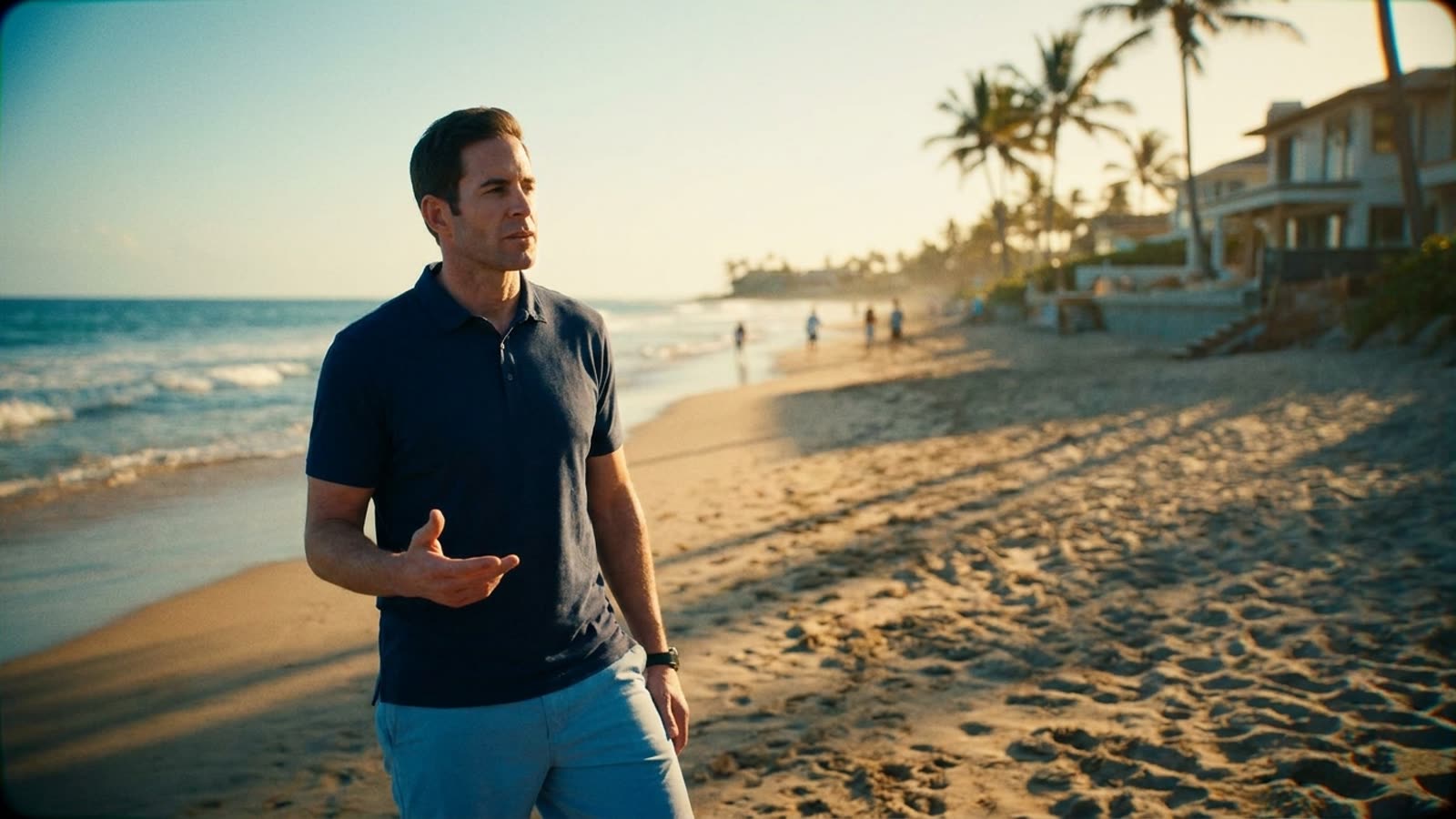
Reality television has always traded on aspiration, but the home-renovation subgenre adds a dangerous wrinkle: it broadcasts not just lifestyle but location, layout, and valuables. Tarek El Moussa and Heather Rae Young learned this the hard way when their Newport Beach residence was burglarized, joining a growing list of HGTV and Bravo personalities whose on-screen opulence has made them targets off-screen.
The couple, who between them anchor Flip or Flop, Selling Sunset, and their joint venture The Flipping El Moussas, have built a media empire on the premise that viewers want to see beautiful homes filled with beautiful things owned by beautiful people. The formula works—Young's Oppenheim Group colleagues have become genuine celebrities, and El Moussa's post-divorce reinvention has kept him bankable for over a decade. But the same transparency that makes these shows compelling also functions as a catalog for criminals.
The Newport Beach pattern
Orange County's coastal enclaves have become a peculiar hunting ground. The region's concentration of reality-television wealth—Housewives, flippers, luxury agents—creates a density of publicly documented affluence unusual even by Southern California standards. Newport Beach police have not released details about the El Moussa break-in, but the area has seen a string of similar incidents targeting entertainment figures whose homes and schedules are effectively public knowledge.
The couple's social media presence compounds the exposure. Young's Instagram, with its millions of followers, regularly features the home's interior, while El Moussa's posts document renovations in real time. For anyone inclined to case a property, the research is already done.
When the brand is the vulnerability
The paradox facing reality-television personalities is structural. Their income depends on visibility; their security requires obscurity. The El Moussas cannot simply stop showing their home—the home is the content. Young's role on Selling Sunset literally involves walking clients through multimillion-dollar properties while wearing jewelry that costs more than most viewers' cars. El Moussa's brand is built on demonstrating what good taste and hard work can buy.
This tension has produced an informal arms race. Many reality stars now employ full-time security, install panic rooms, and maintain decoy residences. Some have quietly relocated to gated communities with private patrol services. Others have simply accepted break-ins as a cost of doing business, factoring insurance premiums into their production deals.
Our take
The El Moussa burglary is not a tragedy—no one was harmed, and the couple's insurance will presumably cover material losses. But it is a useful illustration of how the attention economy creates externalities that rarely appear in the glossy final edit. Reality television sells the fantasy that wealth is both attainable and enjoyable. It is less forthcoming about the part where strangers know your floor plan.