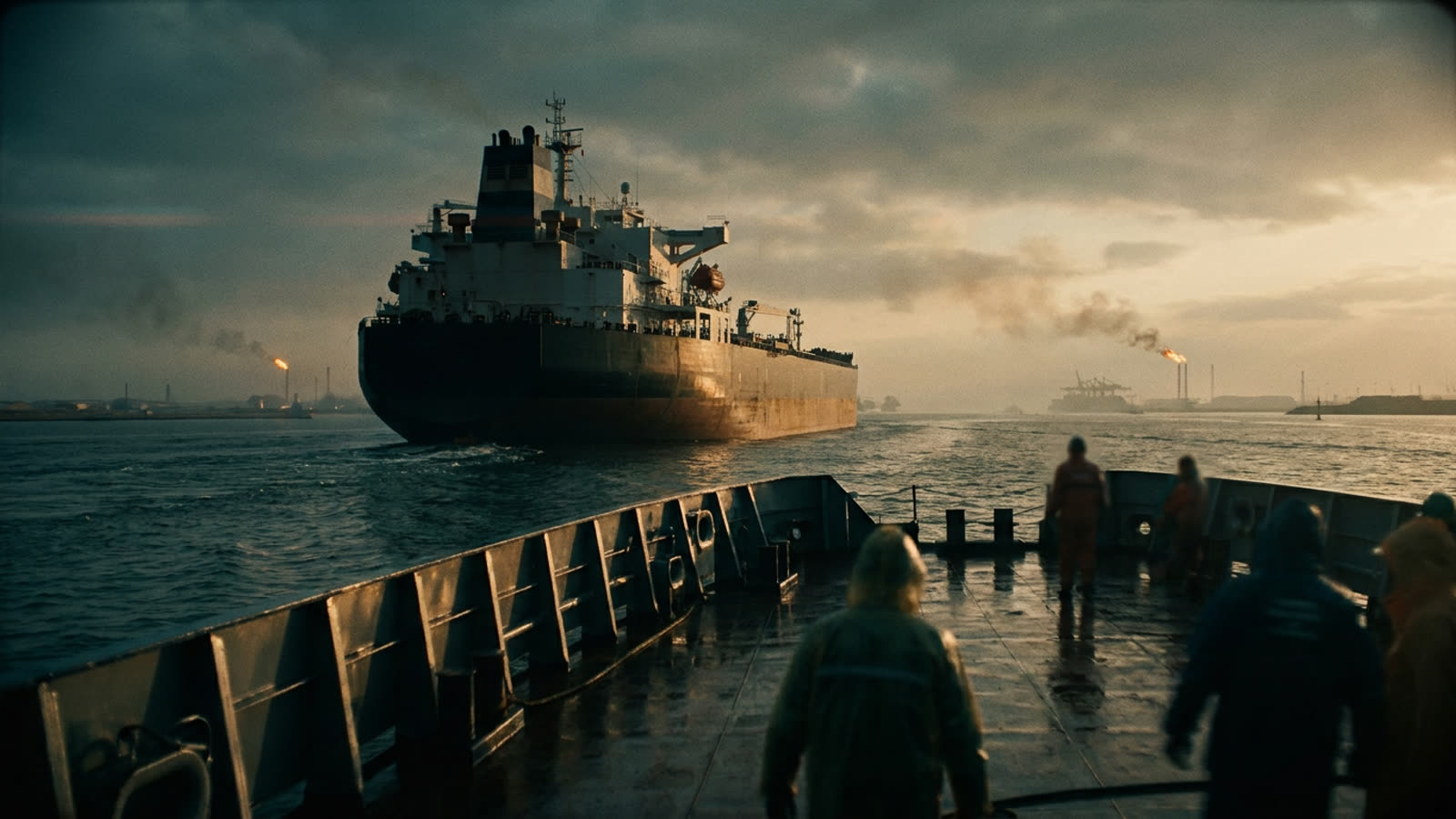
The phrase "leaking oil" typically conjures images of environmental disaster. But when applied to the Strait of Hormuz—the 21-mile-wide passage through which roughly a fifth of the world's petroleum flows daily—it describes something more consequential: a slow, deliberate exodus of tanker traffic seeking alternative routes, and the market recalibration that follows.
Recent weeks have seen a measurable uptick in vessels opting for longer, costlier journeys around the Cape of Good Hope rather than transiting the Gulf. Insurance premiums for Hormuz passage have climbed. Freight rates for tankers willing to make the run have followed. None of this has produced a supply shock—yet. But the behavioral shift among shipping companies, refiners, and their insurers suggests that the market's risk calculus has fundamentally changed.
Why diversions matter more than disruptions
A full blockade of Hormuz would be an immediate crisis, the kind that sends crude past $150 and triggers emergency reserve releases. That scenario remains unlikely; Iran, despite its saber-rattling, depends on the strait for its own exports. But the current pattern—gradual rerouting, elevated premiums, cautious scheduling—is more insidious precisely because it lacks a clear trigger point.
Shipping companies don't need a missile strike to change behavior. They need actuaries recalculating probabilities and underwriters repricing coverage. When Lloyd's of London adjusts its war-risk assessments, the market responds before any shots are fired. The result is a slow bleed of efficiency: longer voyages burn more fuel, tie up more vessels, and reduce effective global tanker capacity without a single barrel being lost to conflict.
The inflation transmission mechanism
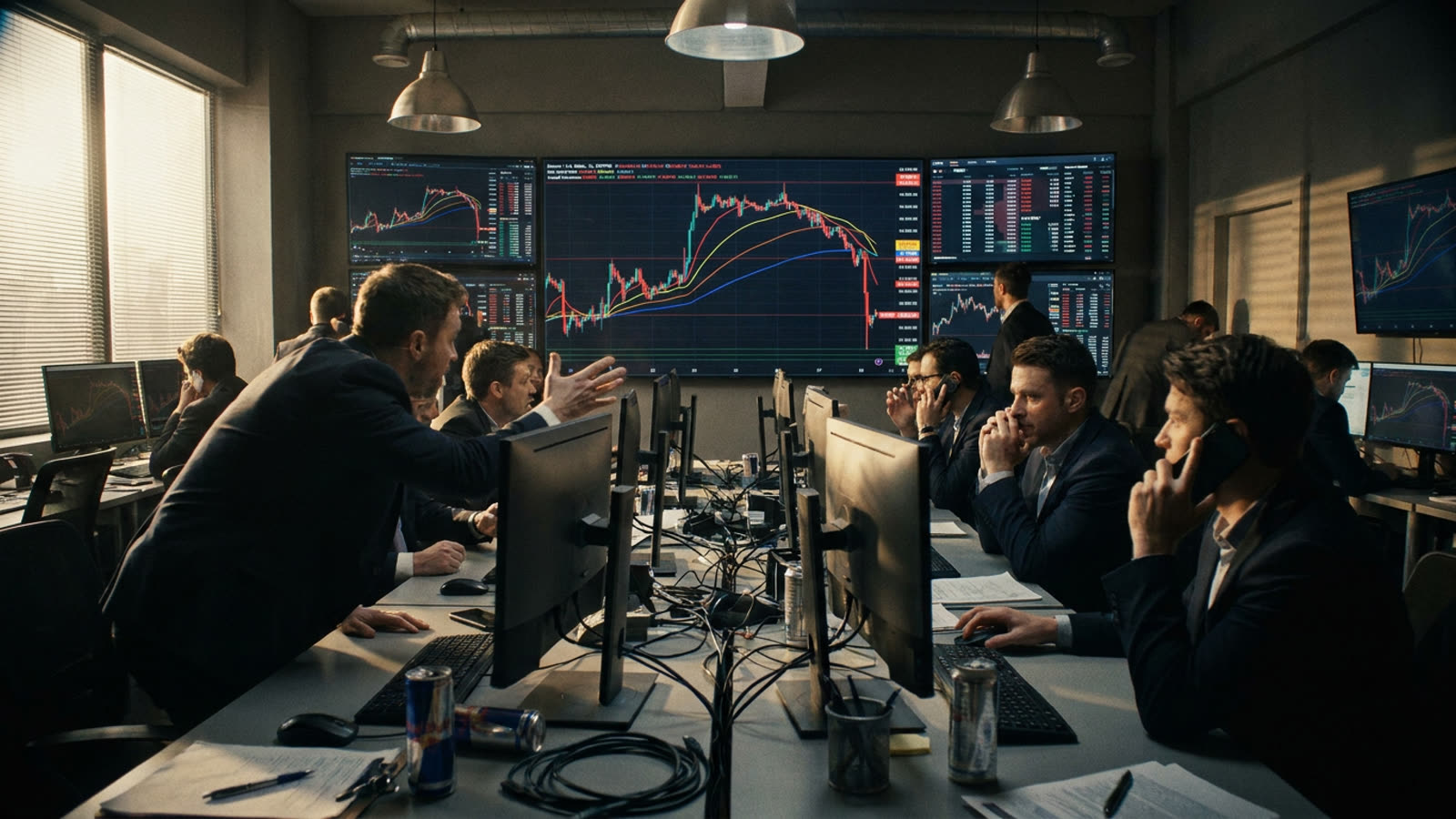
Central bankers watching this trend have reason for concern beyond energy prices. Elevated shipping costs feed into everything from petrochemicals to fertilizers to the diesel that powers freight trucks. The pass-through to consumer prices is neither immediate nor linear, but it is real. For a Federal Reserve already navigating sticky services inflation and a labor market that refuses to cool, an energy-driven cost push represents an unwelcome complication.
The timing is particularly awkward. Markets had begun pricing in the possibility of rate cuts later this year, betting that the Fed's hiking cycle had done its work. But if Hormuz-related logistics costs begin showing up in producer price indices, that dovish narrative becomes harder to sustain. The Fed doesn't set policy based on tanker routes, but it cannot ignore a supply-side shock that threatens to undo hard-won progress on headline inflation.
Our take
The Strait of Hormuz has been called the world's most important chokepoint for decades, yet it rarely commands front-page attention absent an actual crisis. That's precisely what makes the current moment worth watching. Markets are pricing in risk before the risk materializes—a sign of institutional memory from the 2019 tanker attacks and the Red Sea disruptions of 2024. The question isn't whether Hormuz will close; it almost certainly won't. The question is whether the friction costs of sustained uncertainty become a permanent feature of global energy logistics. If they do, the inflationary implications extend well beyond the price at the pump.