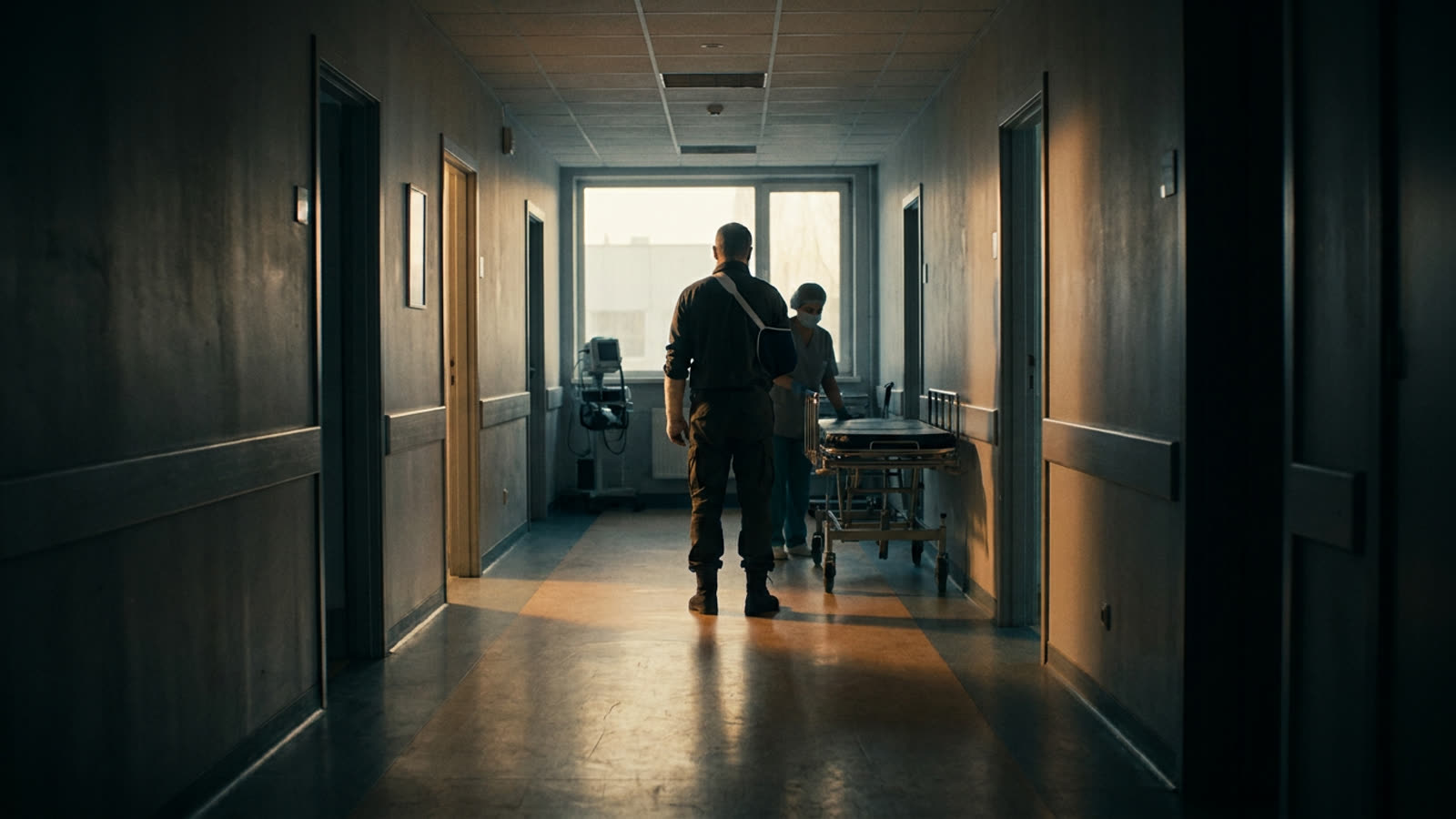
The celebrity injury post has evolved from tabloid fodder into something more deliberate: a content vertical. Where paparazzi once chased stars leaving hospitals, now the stars themselves control the narrative, posting their stitches, casts, and surgical drains with the same care they'd apply to a red carpet look.
This week's crop of celebrity mishaps—documented across social media with professional lighting and thoughtful captions—continues a trend that's been building for years. The "Stars and Scars" phenomenon, as entertainment media has dubbed it, invites audiences to judge whose injury looks most dramatic, whose recovery seems most graceful, whose pain appears most photogenic.
The vulnerability economy
There's a transactional logic at work. Celebrities have learned that showing physical fragility generates a specific kind of engagement—warmer, more protective, less cynical than the usual parasocial exchange. A broken arm earns sympathy that a new handbag cannot. The injury post humanizes in ways that carefully staged glamour shots never will.
The aesthetic has its own conventions now. Hospital gowns are worn slightly off-shoulder. IV lines are positioned to catch the light. The face is tired but luminous, suggesting suffering without actually looking bad. It's vulnerability as brand extension, pain as content strategy.
The audience appetite
What does it say about us that we consume these images so eagerly? The entertainment industry has always traded in schadenfreude, but the injury selfie offers something more complex—permission to care about people we don't know, a socially acceptable outlet for concern that might otherwise feel intrusive.
Social media platforms reward this content handsomely. Injury posts routinely outperform standard promotional material, their engagement rates suggesting that audiences crave authenticity even when that authenticity is professionally photographed and strategically timed.
Our take
The celebrity injury industrial complex is neither purely cynical nor entirely genuine—it's both, simultaneously. Stars have simply recognized that their bodies, including their damaged bodies, are content. The audience's willingness to engage says as much about our hunger for connection as it does about celebrity culture's relentless commodification of every human experience. We're all complicit in this strange economy of documented pain, scrolling past the bruises with a like and moving on.