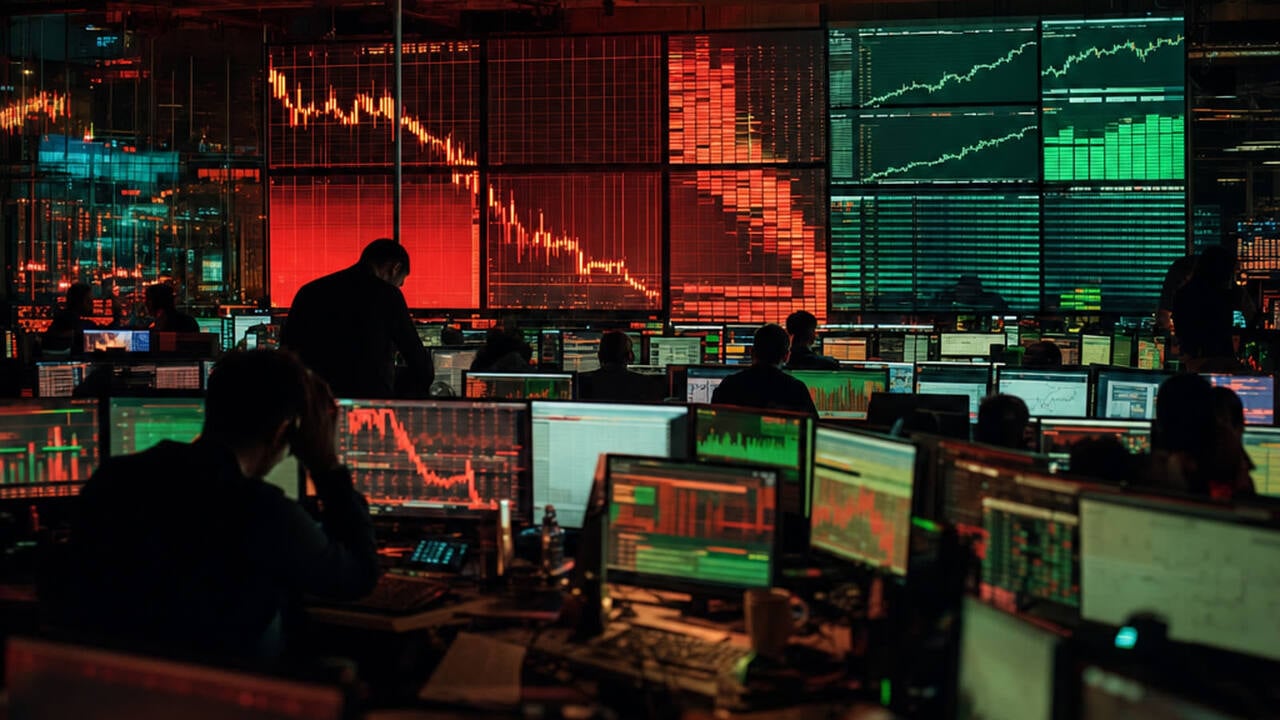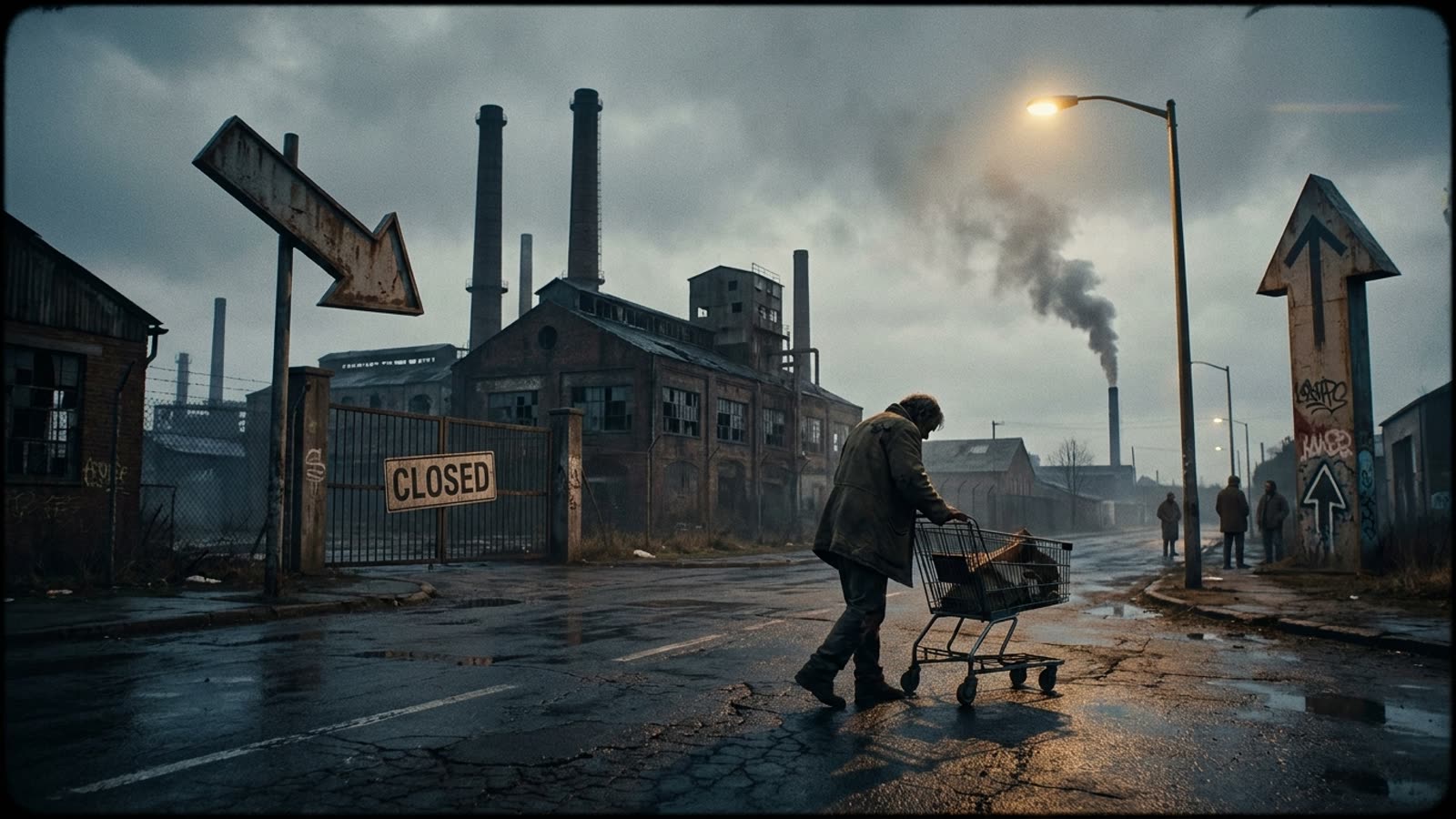
Economic textbooks once taught a comforting simplicity: inflation and unemployment moved in opposite directions. When prices rose too quickly, central banks could cool demand by raising interest rates, accepting temporarily higher joblessness as the cost of stability. When unemployment climbed, they could stimulate spending, tolerating modest inflation as the price of growth. This elegant trade-off, immortalized in the Phillips Curve, suggested that policymakers always had a lever to pull.
Then came stagflation, and the lever broke.
The impossible combination
Stagflation describes an economy suffering simultaneously from stagnant growth, high unemployment, and persistent inflation — three conditions that conventional theory suggested could not coexist. The term itself, a portmanteau coined by British politician Iain Macleod in the 1960s, sounds almost whimsical. The reality it describes is anything but.
The mechanism is counterintuitive. Normally, when an economy weakens, demand falls, which should restrain prices. But stagflation typically emerges from supply-side shocks — sudden constraints on the economy's productive capacity rather than shifts in consumer appetite. When oil prices quadrupled following the 1973 OPEC embargo, businesses faced higher costs regardless of demand. They raised prices to survive while simultaneously cutting workers they could no longer afford. Inflation and unemployment rose together, mocking the Phillips Curve.
This is what makes stagflation so pernicious: the standard remedies work against each other. Raise interest rates to fight inflation, and you crush an already-weak economy. Lower them to stimulate growth, and you pour fuel on the inflationary fire. Policymakers find themselves in a room where every door leads to the same corridor.
Why supply shocks matter
Demand-driven inflation, while painful, responds to treatment. If consumers are spending too freely, higher borrowing costs eventually cool their enthusiasm. But supply-driven inflation reflects genuine scarcity — less oil, fewer chips, disrupted shipping routes. You cannot interest-rate your way out of a shortage.
The 1970s offered a brutal education. The United States experienced two oil shocks within a decade, each triggering waves of stagflation that resisted conventional intervention. Unemployment and inflation both reached double digits at various points, a combination that seemed theoretically impossible. The Federal Reserve, under Paul Volcker, eventually broke the cycle by raising interest rates to punishing levels — the prime rate exceeded twenty percent — accepting a severe recession as the cost of restoring price stability.
The lesson was expensive: supply shocks require patience, pain, or both. No monetary policy can conjure more oil from the ground or more semiconductors from a shuttered factory.
The modern relevance
Stagflation remains rare precisely because it requires specific conditions: a significant supply disruption hitting an economy with limited slack. But the ingredients appear periodically. Energy price spikes, pandemic-induced production chaos, geopolitical conflicts that sever trade routes — any of these can constrain supply while demand remains robust.
What distinguishes stagflation from ordinary recessions is the absence of easy answers. A standard downturn, however painful, eventually creates its own cure: lower prices attract buyers, cheaper labor attracts employers, and the cycle turns. Stagflation offers no such automatic stabilizer. Prices stay high because production costs stay high, regardless of how many workers are idle.
Our take
Stagflation's enduring power lies in its exposure of economic policy's limits. We have grown accustomed to central banks as all-powerful guardians, capable of engineering soft landings and averting crises with a well-timed rate adjustment. Stagflation reminds us that some problems cannot be solved by manipulating the cost of money. When the constraint is physical — too little energy, too few goods, too many disruptions — the only paths forward involve either enduring the shortage or expanding supply, neither of which a central banker controls. The word itself may sound like economic jargon, but the condition it describes is a humbling lesson in the difference between managing demand and confronting scarcity.