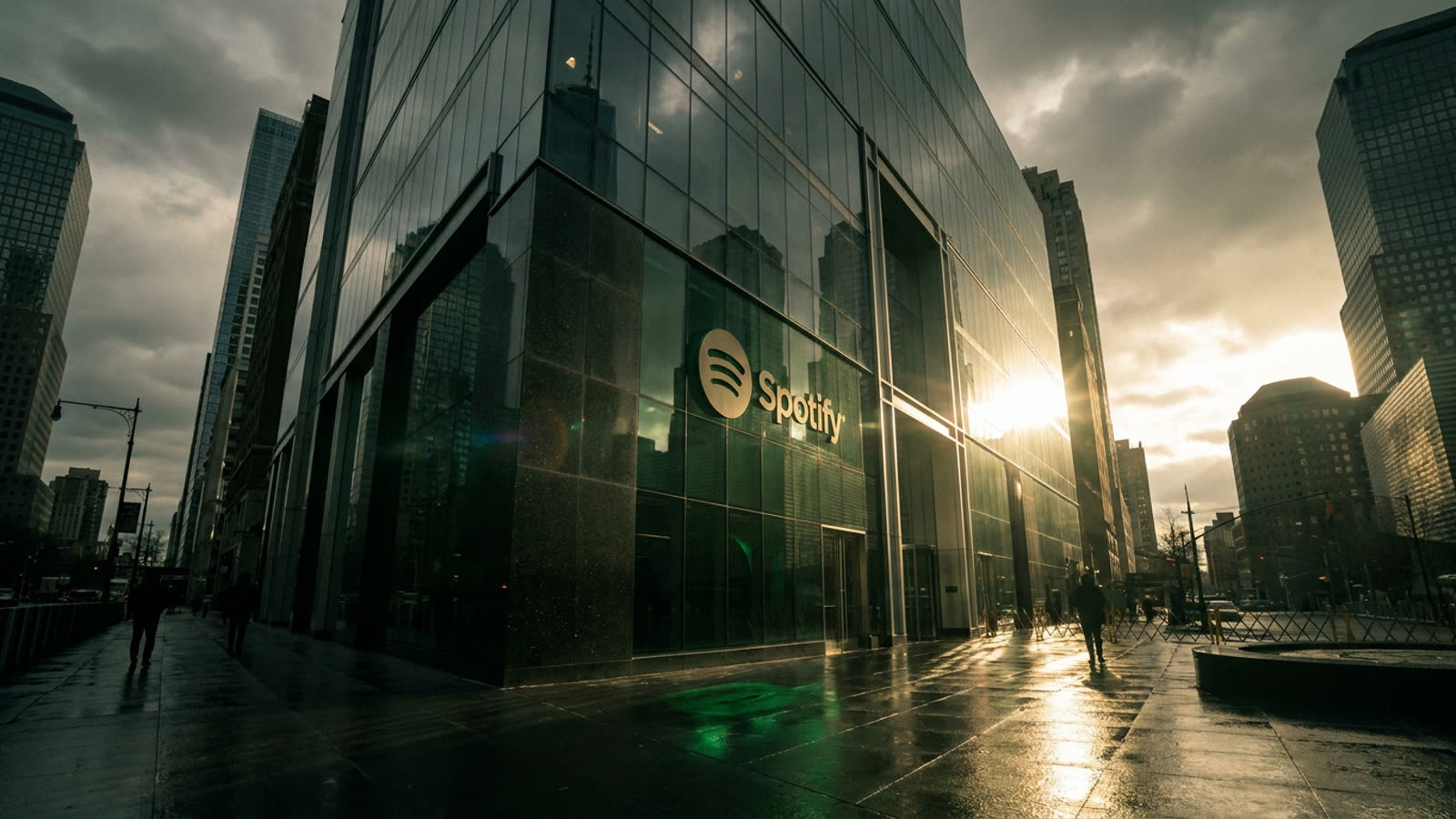
The lesson cost Spotify roughly 120 hours of reputational damage: do not redecorate a home screen icon without asking the people who tap it 47 times a week.
Last week, to mark its 20th birthday, the streaming giant quietly swapped its familiar flat green circle for a glittering disco-ball variant—an aesthetic choice that landed somewhere between a nightclub flyer and a toddler's sticker book. By Saturday, the backlash had metastasised across X, Reddit, and TikTok, with users describing the new look as "migraine-inducing," "tacky," and "the visual equivalent of Comic Sans." On Monday, Spotify confirmed the obvious: the original logo will return next week. No apology tour, just a terse acknowledgment that the company had "heard" the feedback.
The icon as identity
App icons occupy a peculiar psychological space. They are not quite branding, not quite furniture, but something closer to a desktop tattoo—personal enough that any alteration feels like someone rearranging your living room while you slept. Spotify's disco ball violated an unwritten contract: users tolerate algorithmic meddling with their playlists, but the icon is sacred territory. The fury was disproportionate to the stakes, which is precisely the point. In an era of subscription fatigue, where loyalty is measured in milliseconds of hesitation before cancelling, even cosmetic friction becomes existential.
A pattern of premature celebration
Spotify is not the first tech company to misjudge a visual refresh. Instagram's 2016 gradient redesign sparked similar outrage before eventually becoming wallpaper. Twitter's rebrand to X remains a case study in how not to torch brand equity. The difference here is speed: Spotify reversed course in under a week, suggesting either impressive responsiveness or a panicked product team watching real-time sentiment dashboards crater. The company has not disclosed whether the backlash affected engagement metrics, but the swiftness of the retreat implies the numbers were not flattering.
The birthday that wasn't
Two decades is a genuine milestone for a company that helped dismantle the album-sales model and now pays artists fractions of pennies per stream. Spotify had reason to celebrate—240 million paying subscribers, a podcast empire, and a stock price that has roughly tripled since its 2022 lows. Instead, its anniversary will be remembered for a five-day design fiasco that briefly united the internet in shared annoyance. The disco ball, intended as a party favour, became a piñata.
Our take
Spotify's retreat is the correct business decision and a minor cultural defeat. The company learned that its users want utility, not whimsy, from their most-tapped rectangle. But the episode also reveals something less flattering about digital life in 2026: we have become so possessive of our interfaces that a sparkly icon can trigger genuine emotional distress. Spotify will survive this. Whether our collective relationship with our phones will is another question entirely.