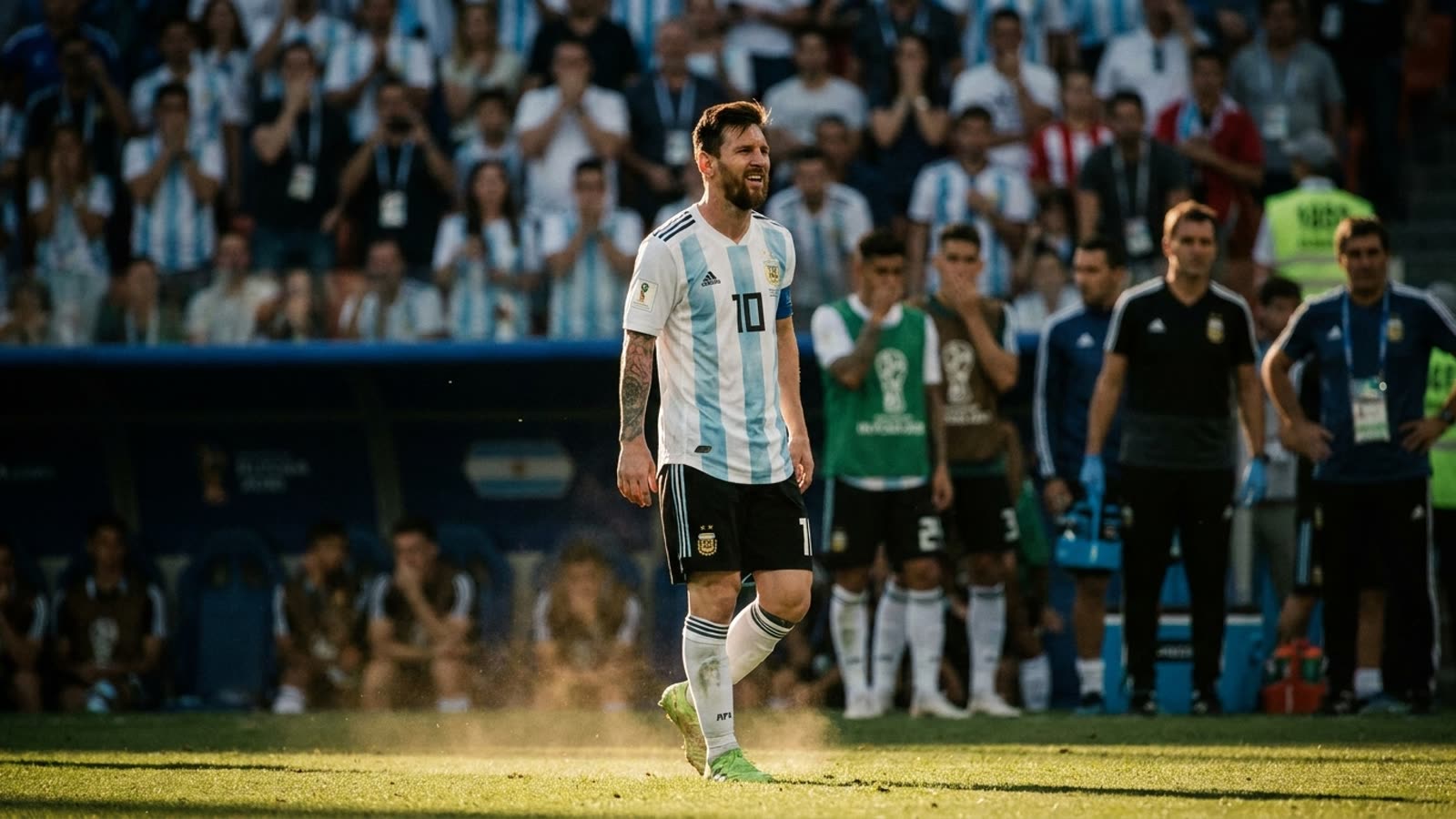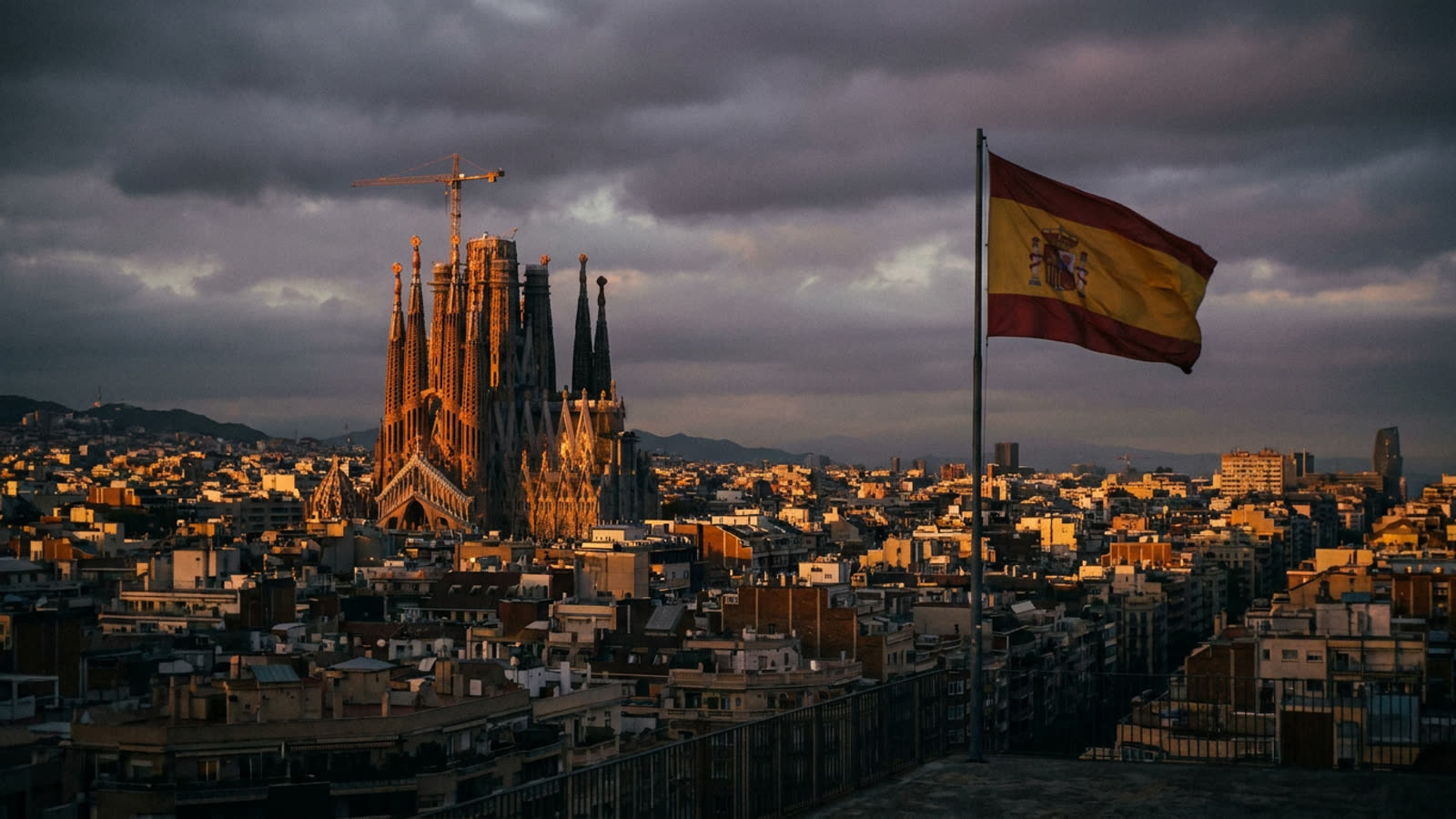
The Spanish national team has named its World Cup squad, and Real Madrid—winners of a record 15 Champions League titles, the club that built its identity on supplying La Roja's spine—has contributed exactly zero players. Not one. This is not a selection controversy. It is an actuarial fact that has been years in the making.
For decades, the relationship between Real Madrid and the Spanish national team was symbiotic to the point of redundancy. Iker Casillas, Sergio Ramos, Xabi Alonso, Raúl—the club's legends were Spain's legends. Even during Barcelona's tiki-taka hegemony, Madrid reliably contributed the defensive steel and the tournament-winning experience. That pipeline has now run dry.
The talent vacuum is real
Real Madrid's current Spanish contingent reads like a list of players manager Luis de la Fuente had good reasons to overlook. Dani Carvajal, once indispensable, is 34 and coming off an injury-plagued season. Lucas Vázquez is a utility player, not a World Cup starter. Nacho departed. The club's strategy of hoarding international superstars—Vinícius Jr., Jude Bellingham, Kylian Mbappé—has produced Champions League glory but left the homegrown cupboard bare. The Castilla academy, once a conveyor belt of first-team talent, has produced no one who can crack a squad featuring Lamine Yamal, Nico Williams, and Pedri.
This is not a blip. It is the logical endpoint of a transfer philosophy that prioritizes finished products over developmental bets. Barcelona, for all its financial chaos, has restocked through La Masia. Athletic Club's Basque-only policy has forced innovation. Madrid wrote checks.
What this means for the tournament
Spain enters the World Cup as one of the favorites, and Real Madrid's absence will not diminish that. De la Fuente's squad is young, technically brilliant, and battle-tested after winning Euro 2024. The Barcelona-Athletic Club-Real Sociedad axis provides more than enough depth. If anything, the lack of Madrid players removes a potential source of clubhouse politics—the eternal Clásico tension that has occasionally fractured Spanish camps.
But symbolically, this is significant. Spain's football identity has always been a negotiation between its two superclubs. For Madrid to be shut out entirely suggests the balance of power has shifted in ways that won't be corrected by one transfer window.
Our take
Real Madrid will survive this indignity. They always do. But the club's leadership should study this squad announcement carefully. You cannot buy your way to national-team relevance. The Spanish federation does not care about your revenue streams or your Instagram followers. It cares about who can play, and right now, Madrid's Spanish players cannot. That is a failure of development strategy, not bad luck. The Galáctico model won trophies. It also hollowed out the foundation.