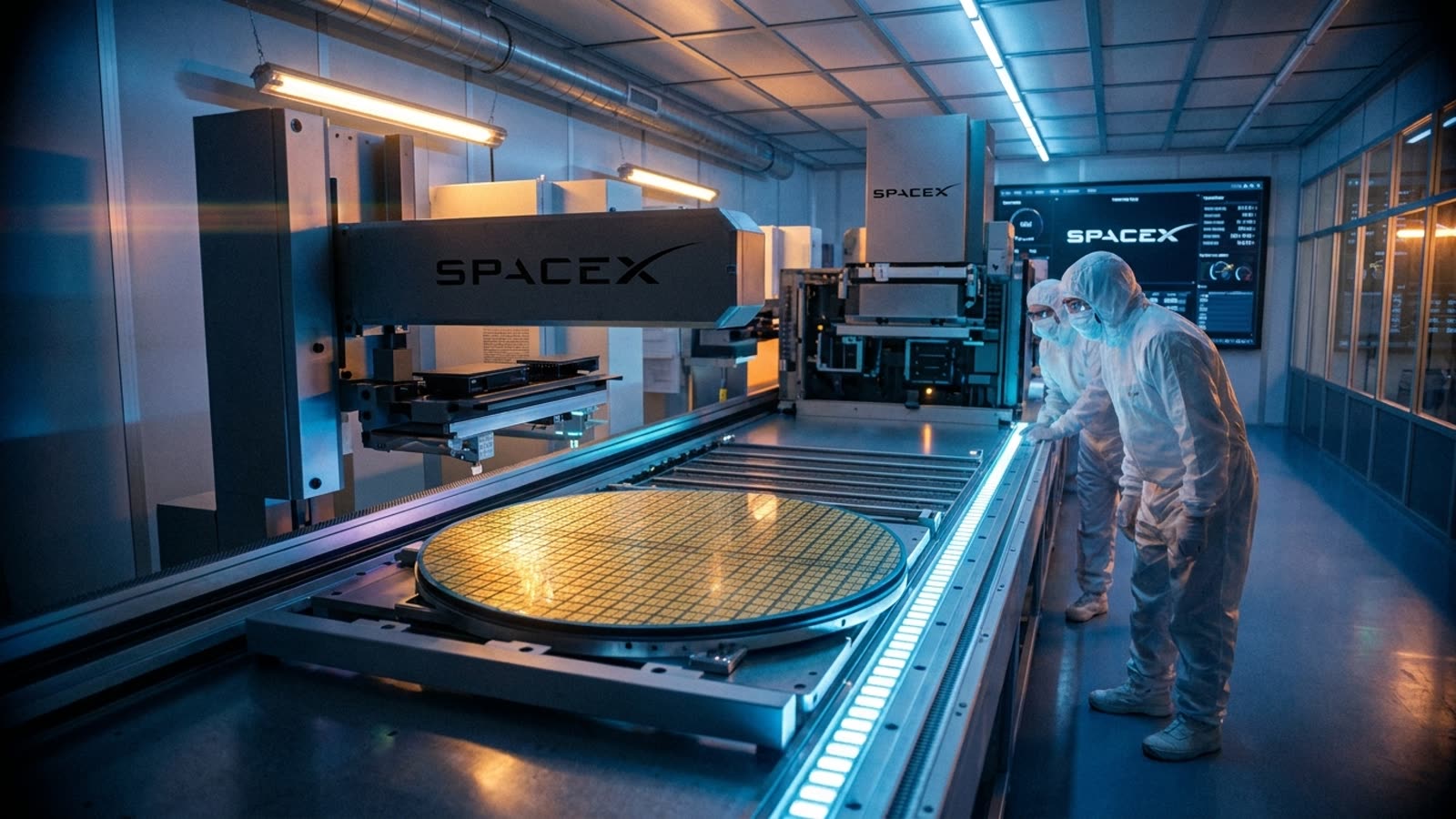
SpaceX, the company that made reusable rockets seem routine, is now prototyping what internal sources describe as an AI-powered consumer device. The details are deliberately vague, but the contours are unmistakable: it's a handheld, it's connected, and it's designed to run artificial intelligence workloads. In other words, it's a phone with extra steps.
The move makes strategic sense if you squint hard enough. SpaceX controls Starlink, the only satellite internet constellation with meaningful global coverage. Elon Musk owns xAI, which has been racing to catch OpenAI and Anthropic with its Grok models. A device that marries direct-to-satellite connectivity with on-device AI inference would, in theory, work anywhere on Earth without relying on traditional carriers. That's a genuine differentiation from Apple and Samsung's terrestrial tethering.
The vertical integration play
Musk has spent two decades proving that vertical integration works when incumbents are complacent. Tesla built its own battery supply chain. SpaceX manufactures its own engines. The logic extends naturally to consumer electronics: if you control the network, the AI models, and the hardware, you capture margin at every layer while competitors pay rent to each other.
The timing is also notable. Apple's satellite features remain limited to emergency SOS. Qualcomm and MediaTek have promised direct-to-device satellite modems, but carrier partnerships have been slow. A SpaceX device could leapfrog the entire ecosystem by treating Starlink as the primary connection rather than a fallback.
The execution problem
Consumer hardware is a graveyard of tech hubris. Amazon's Fire Phone, Facebook's Portal, Google's rotating door of messaging apps—the list of companies that underestimated the difficulty of competing with Apple and Samsung is long and distinguished. SpaceX has no retail presence, no repair network, no carrier relationships, and no track record in consumer electronics. Building rockets that land themselves is impressive; building a phone that doesn't frustrate users is a different discipline entirely.
There's also the question of whether Musk's sprawling empire is becoming a liability. Running Tesla, SpaceX, xAI, X, Neuralink, and The Boring Company simultaneously has already produced visible strain. Adding a consumer electronics division would stretch attention thinner still.
Our take
This is either the logical culmination of Musk's connectivity-plus-AI thesis or another case of a founder who can't resist entering every adjacent market. The Starlink-xAI combination is genuinely novel—no other company could plausibly offer global AI-powered connectivity without carrier dependencies. But SpaceX's core business is launching satellites and humans, not competing with Cupertino's design teams. The prototype may be real, but the path from prototype to product that people actually want is littered with the corpses of smarter bets. We'd watch this one from a safe distance.