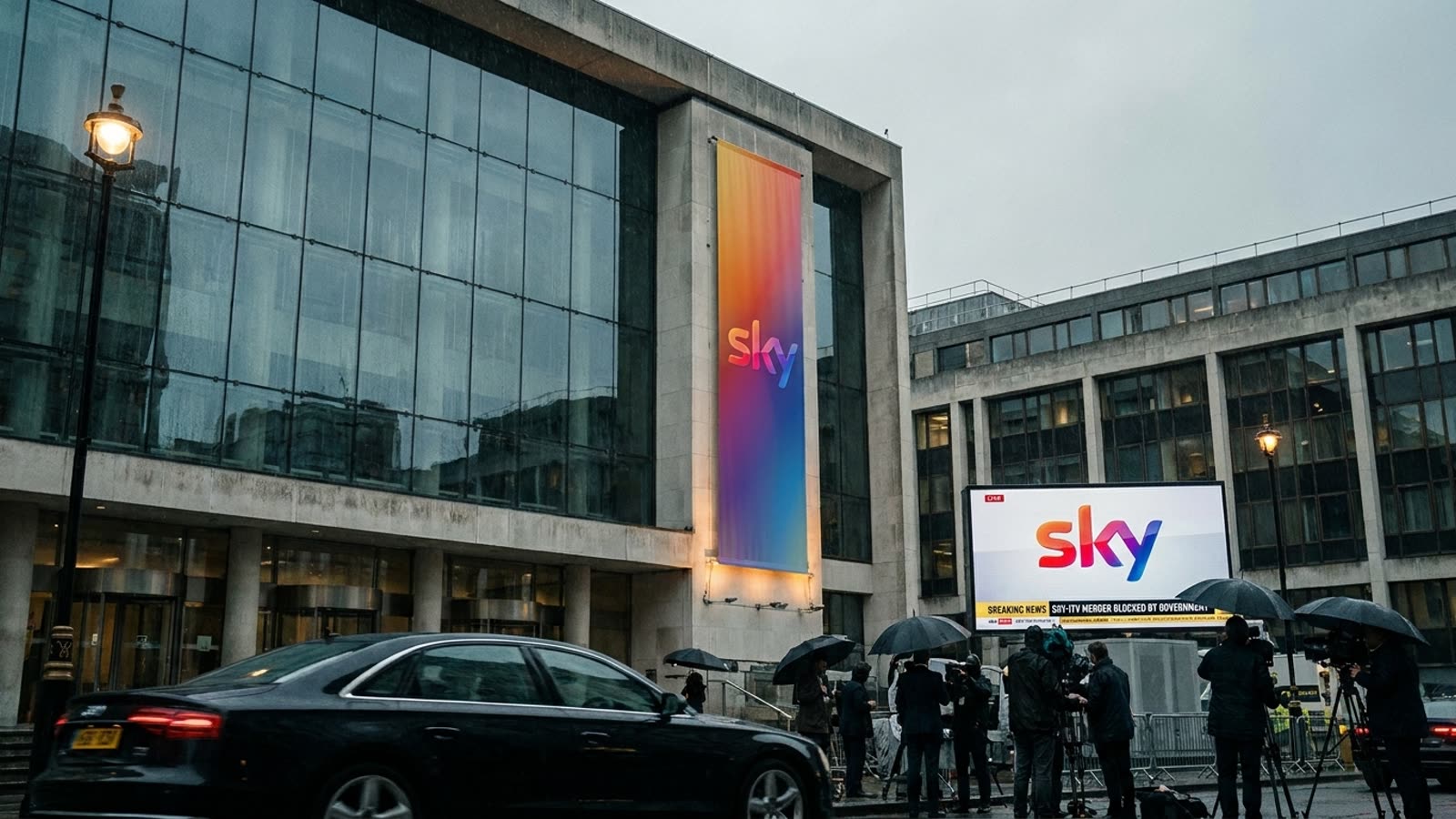
The Comcast-owned broadcaster's move on ITV was always going to attract scrutiny, but the speed and decisiveness of the government's response suggests something more fundamental has shifted in Westminster's appetite for media consolidation.
Culture Secretary Lisa Nandy's public interest intervention notice hands the deal to the Competition and Markets Authority for a full investigation, a process that will examine not just market share but the thornier questions of media plurality and editorial independence. For Sky, which has spent years positioning itself as a premium content destination in an increasingly fragmented landscape, the timing could not be worse.
The strategic logic was sound
Sky's interest in ITV made a certain kind of sense. The legacy broadcaster commands live sports rights, a profitable production arm in ITV Studios, and—crucially—a free-to-air platform that reaches audiences Sky's subscription model cannot. In an era when Netflix, Amazon, and Apple are spending billions to capture British eyeballs, vertical integration looked like survival strategy rather than empire-building.
But the deal would have created a behemoth controlling a vast swath of British commercial television, from Premier League football to Love Island, from news bulletins to regional programming. For a Labour government that has made pointed noises about media concentration since taking office, this was always going to be a test case.
Nandy's intervention is political, not just procedural
The public interest intervention notice is a rarely deployed instrument—the last major use came during 21st Century Fox's attempted takeover of Sky itself, which ultimately collapsed amid the phone-hacking scandal's long tail. By invoking it now, Nandy is signalling that media ownership is back on the political agenda in ways it has not been for years.
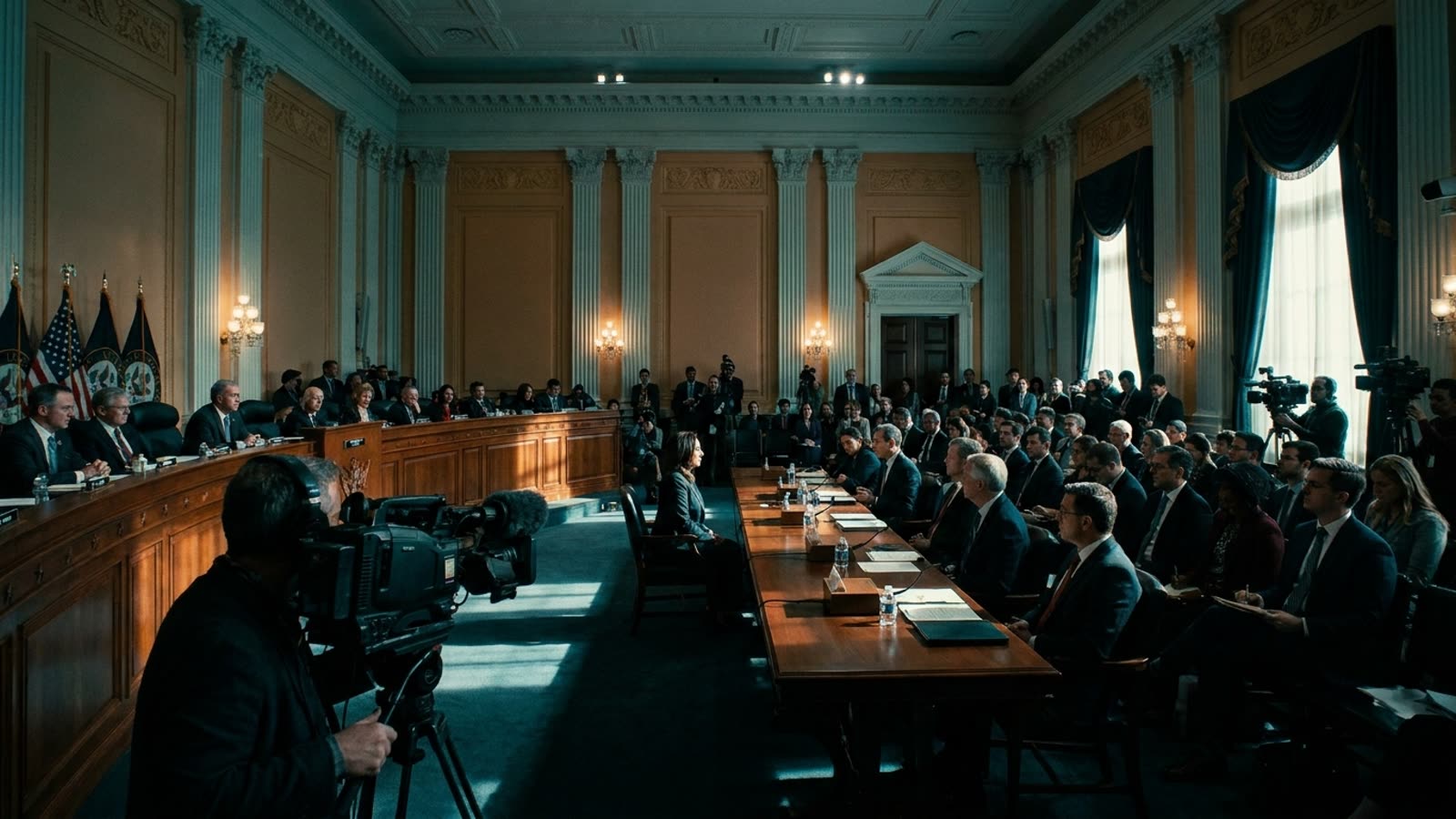
The CMA investigation will examine whether the merged entity would have "sufficient plurality of persons with control of media enterprises." Translation: would one company have too much power over what Britons watch, read, and think? The regulator will also consider whether the deal might affect the "free expression of opinion" and the "accurate presentation of news."
These are not questions with easy quantitative answers. They require judgments about democracy, culture, and the public interest that go far beyond market economics.
Our take
The intervention is the right call, even if Sky's strategic predicament is real. British broadcasting is caught between American streaming giants with bottomless content budgets and a fragmenting domestic audience that increasingly watches on phones rather than televisions. Consolidation may ultimately be necessary for survival. But the question of who gets to consolidate, and on what terms, is too important to be left to investment bankers and competition lawyers alone. Nandy has given the country time to have that conversation. Whether Westminster has the attention span to see it through is another matter entirely.