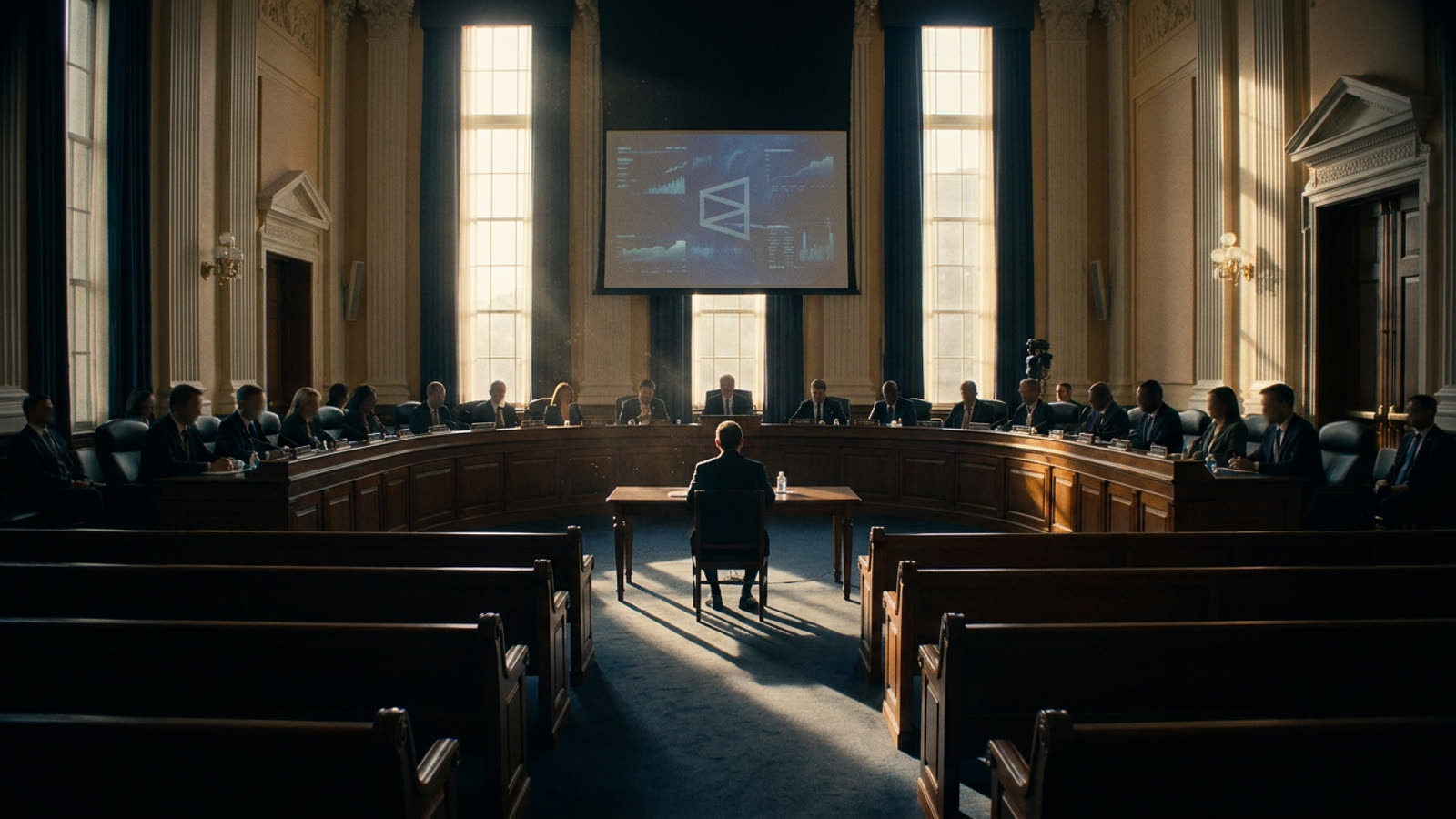
The Securities and Exchange Commission has delayed a proposed exemption that would have allowed certain tokenized assets to trade outside traditional securities registration requirements, citing concerns over how third-party tokens might fit into the framework. The pause, reported by Bloomberg Law, is the latest evidence that American regulators remain fundamentally uncertain about what digital assets are, who should oversee them, and whether existing law can stretch to accommodate a technology that refuses to sit neatly in any existing box.
The exemption was intended to provide a clearer path for tokenized versions of real-world assets — think Treasury bills, real estate, or private equity stakes represented on blockchain rails. The logic was straightforward: if the underlying asset is already regulated, perhaps the tokenized wrapper doesn't need to go through the full registration gauntlet. But the SEC's concerns about third-party tokens suggest the agency is worried about a Trojan horse scenario, where exempted tokenized assets become intertwined with unregistered crypto tokens in ways that blur regulatory lines.
The tokenization promise, deferred again
Tokenization has been the industry's most respectable pitch to traditional finance for years. BlackRock's Larry Fink has called it the future of markets. JPMorgan has built tokenization infrastructure. The thesis is compelling: fractional ownership, 24/7 settlement, reduced intermediary costs, global liquidity. But the regulatory architecture to support this vision remains conspicuously absent.
The SEC's delay isn't a rejection — it's a punt. The agency appears to want more time to understand how exempted tokens might interact with the broader crypto ecosystem, particularly decentralized finance protocols where assets can be rehypothecated, wrapped, or collateralized in ways that traditional securities regulators have never had to contemplate. The concern about third-party tokens suggests the SEC is thinking about contagion: what happens when a compliant tokenized Treasury bill ends up in a liquidity pool alongside an unregistered governance token?
Commissioner Peirce's counter-argument
The timing is notable given that SEC Commissioner Hester Peirce has publicly pushed back against the view that any crypto-friendly rule would inevitably foster synthetic tokens or regulatory arbitrage. Peirce, long the agency's most crypto-sympathetic voice, has argued that clear rules would actually reduce the proliferation of questionable token structures by giving legitimate projects a path to compliance. The delay suggests her view remains a minority position within the commission.
Our take
The SEC's caution is understandable — no regulator wants to create an exemption that becomes an on-ramp for fraud. But the perpetual delay of tokenization frameworks has a cost. It pushes innovation offshore, forces compliant firms into regulatory limbo, and ensures that when tokenized assets do achieve scale, they'll do so in jurisdictions with less investor protection. The agency's concern about third-party tokens is essentially a concern about composability — the very feature that makes blockchain technology useful. Until Washington figures out how to regulate interconnected systems rather than isolated assets, the tokenization future will remain a future, not a present.