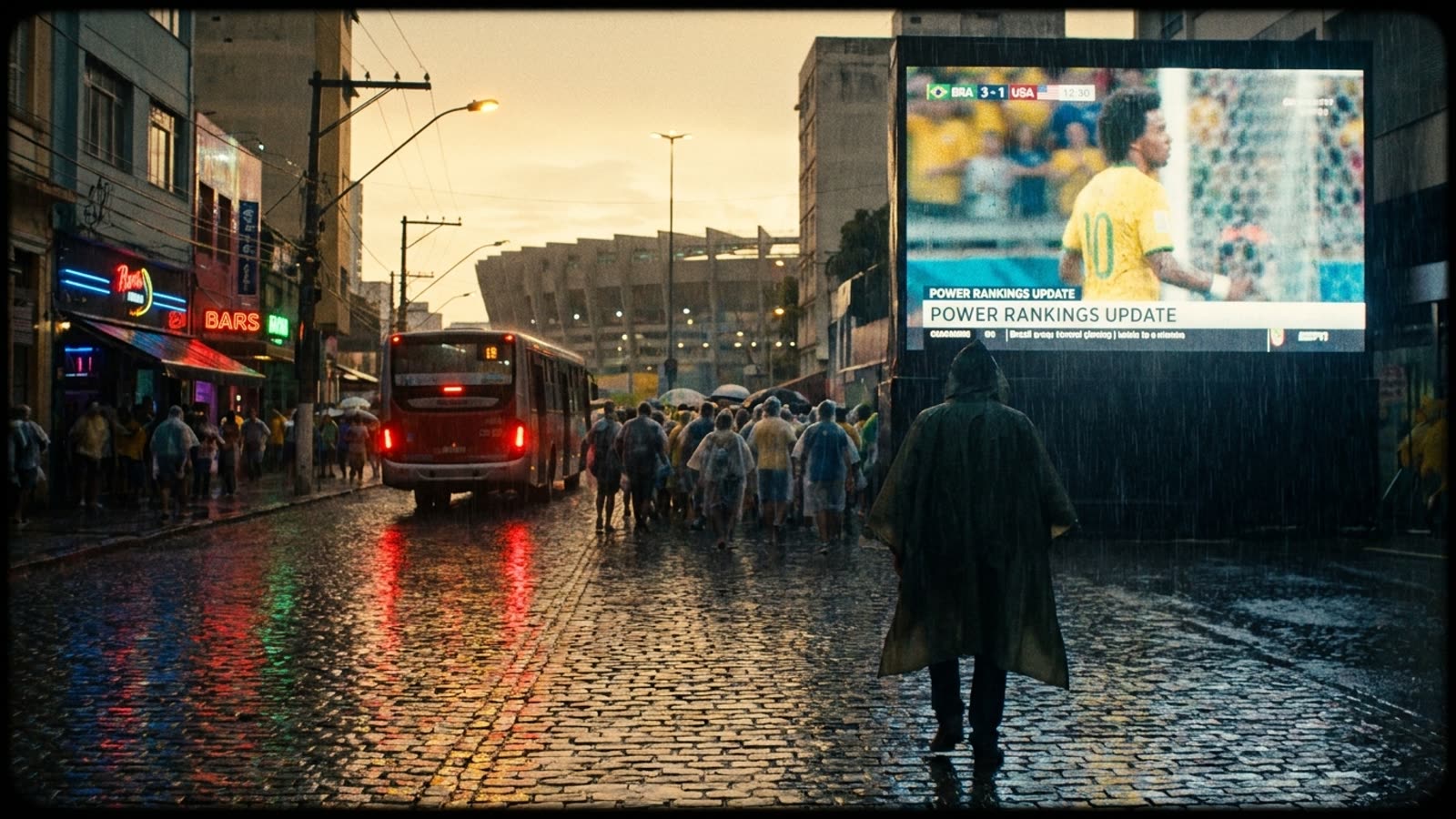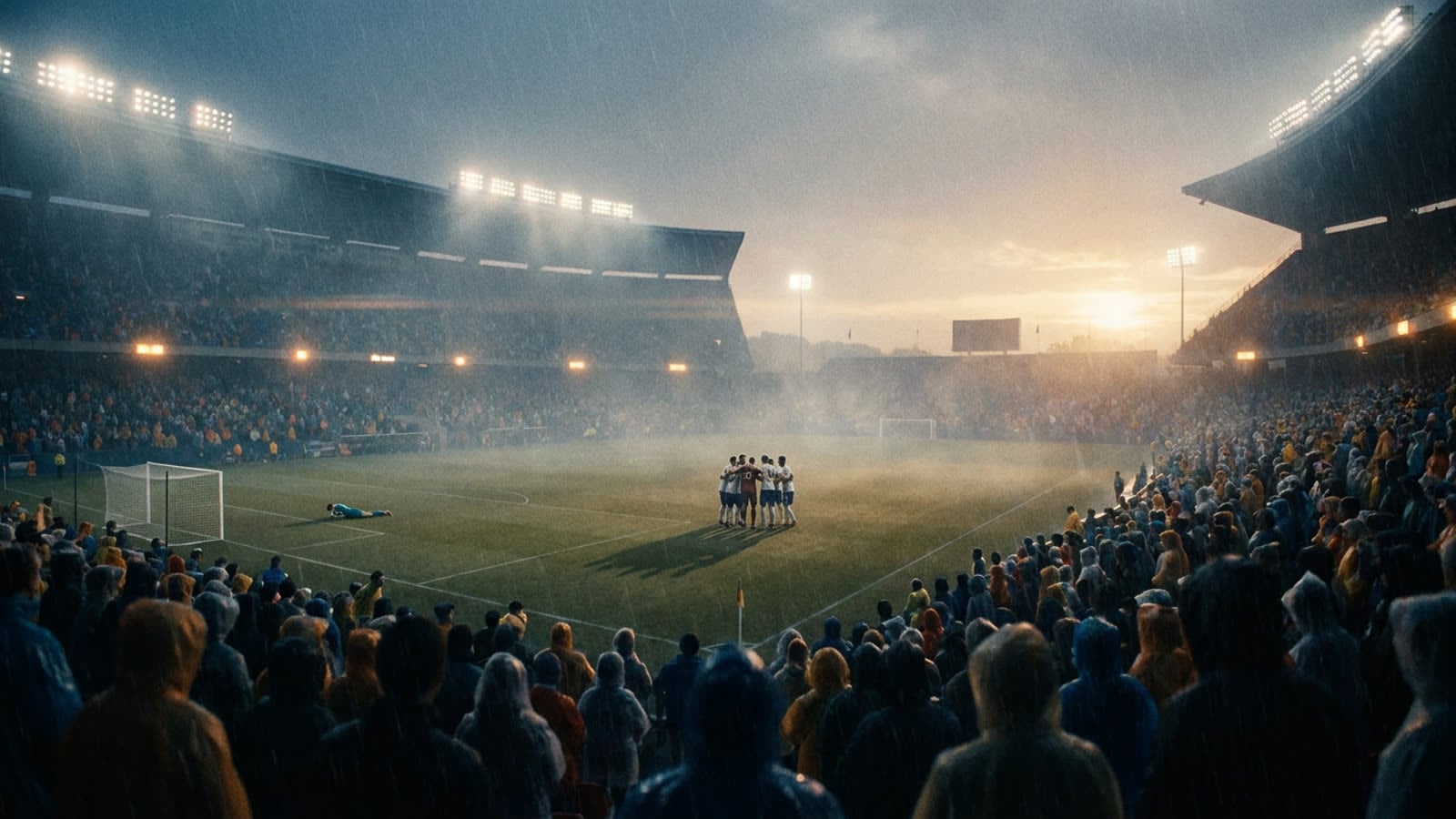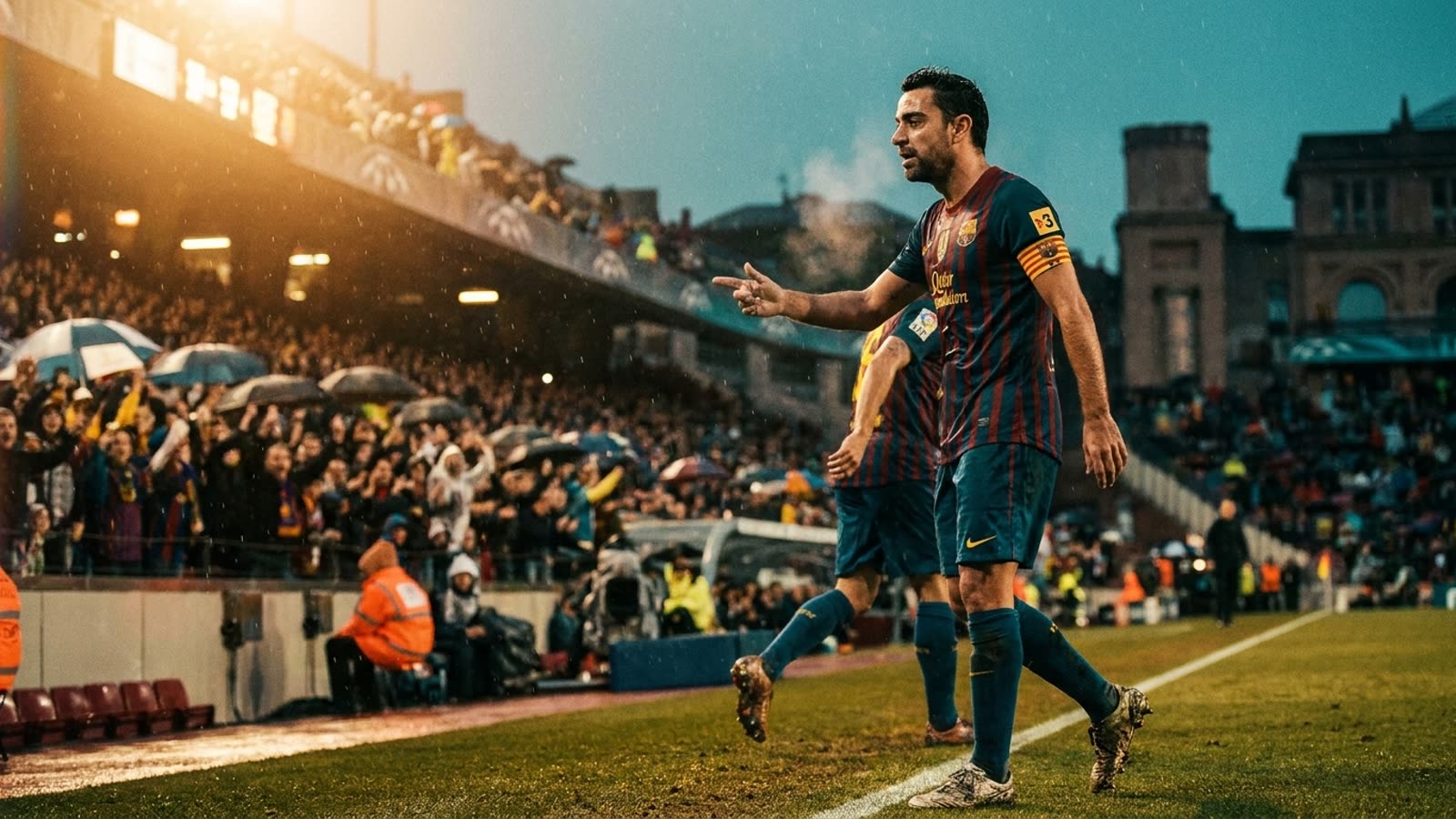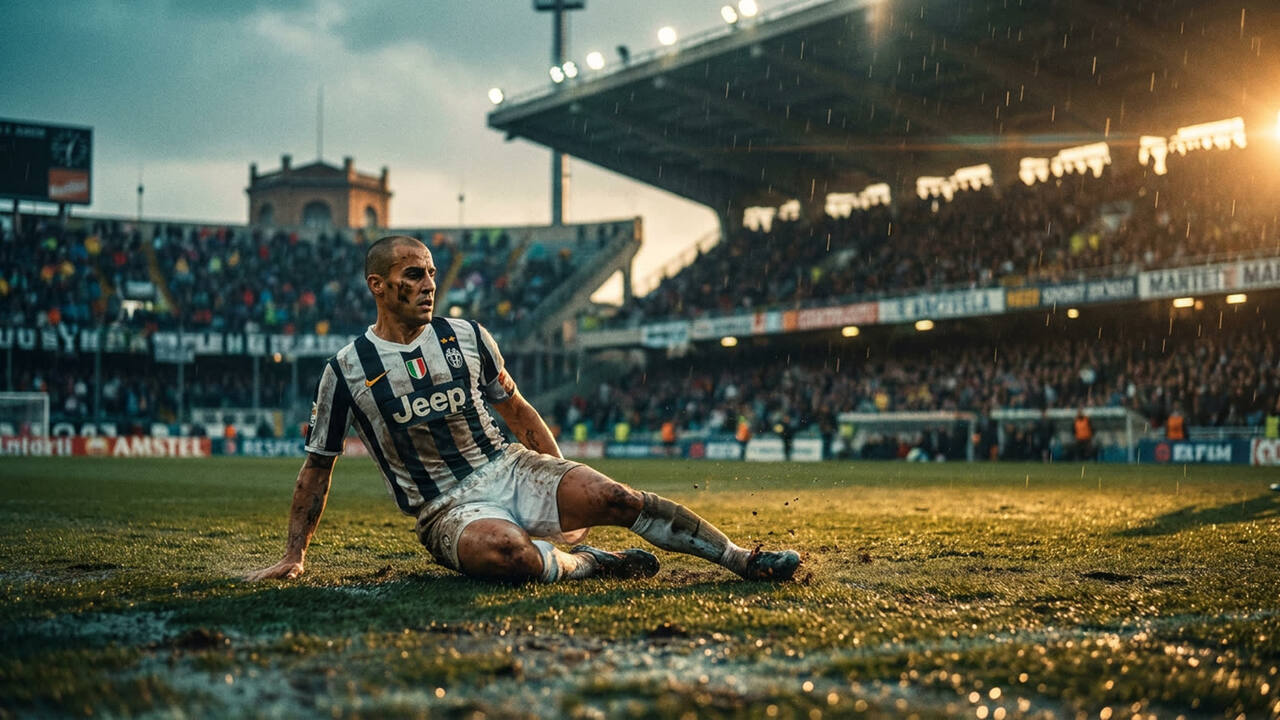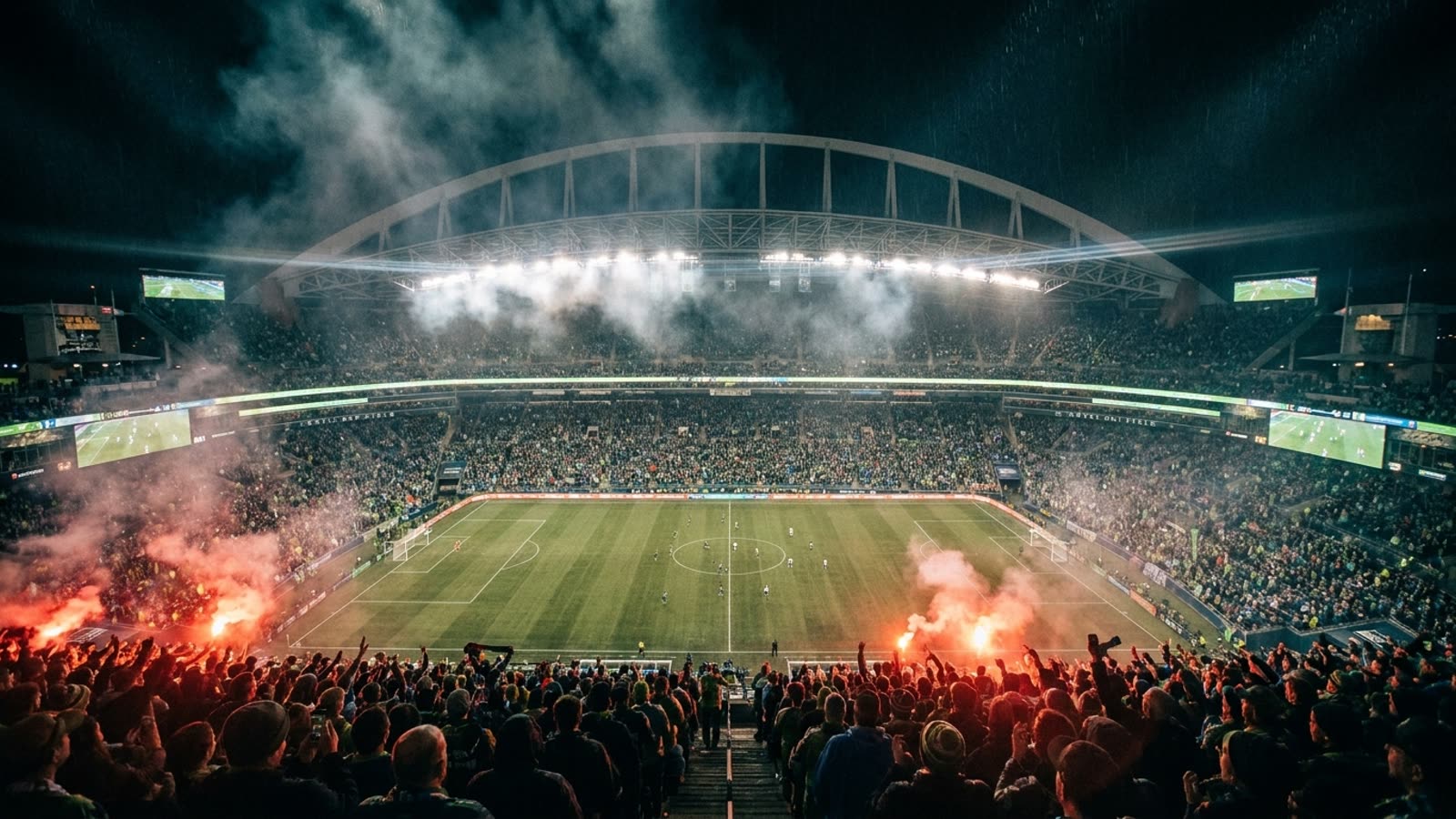
The Pacific Northwest does not do exuberance. Seattle's civic character runs toward flannel, drizzle, and studied understatement. So when 69,000 people packed Lumen Field on Friday night and produced a wall of sound that registered on local seismographs — as Sounders matches famously have before — it was not performance. It was release.
For three decades, Seattle has lobbied, planned, and occasionally begged to host World Cup matches. The city was passed over for 1994. It watched from afar as the tournament returned to American soil in 2026 and feared, until relatively late in the bidding process, that it might be passed over again. It was not. And on Friday, hosting its first group-stage match, Seattle delivered an atmosphere that validated every claim its boosters ever made.
The long courtship
Seattle's soccer credentials are unusual for an American city. The Sounders, founded in their current MLS form in 2009, have averaged more than 40,000 fans per match for most of their existence — numbers that would be respectable in the Bundesliga. The city's supporters' culture, complete with tifo displays and organized chanting sections, developed organically rather than being imported wholesale from European templates. When FIFA's inspection teams visited prospective 2026 host cities, Seattle's existing infrastructure and fan base made a compelling case.
But infrastructure alone does not create tournament atmosphere. That requires civic buy-in, and Seattle provided it. The downtown core was transformed into a fan festival zone. Local businesses that had never displayed a soccer scarf in their windows suddenly became de facto supporters' clubs. The Space Needle was lit in the colors of competing nations.
What Friday proved
The match itself — one of the group-stage fixtures that often feel like warm-up acts for the knockout rounds — became something more. The crowd's engagement never flagged, even during the inevitable lulls in play. When the final whistle blew, the stadium remained full for nearly twenty minutes as fans simply... stayed. They had waited thirty years. They were not in a hurry to leave.
For FIFA, Seattle's success matters beyond sentiment. The organization has bet heavily on the 2026 tournament's expanded format and North American scope. It needs host cities that can deliver European-caliber atmospheres without European-caliber hooliganism. Seattle, with its tech-industry wealth, its progressive self-image, and its genuine soccer culture, is exactly the template FIFA hopes other American cities will follow.
Our take
Seattle's World Cup moment was earned, not granted. The city spent decades building a soccer culture that most American markets still lack, and Friday's atmosphere was the dividend. If the 2026 tournament succeeds in permanently elevating soccer's status in the American sports hierarchy — still an open question — historians will point to nights like this one. The Pacific Northwest finally got its reward for caring about the beautiful game before it was fashionable to do so.