For a nation whose relationship with World Cup football has been defined by glorious failure and administrative chaos, the sight of Scotland leading Haiti in their 2026 opener represents something close to a miracle. Not because Haiti are fearsome opponents, but because Scotland have made an art form of finding new ways to disappoint themselves on the biggest stage.
Steve Clarke's squad arrived in North America with the lowest expectations of any European qualifier. The bookmakers had them finishing third in a group containing Brazil and Austria. Scottish fans, conditioned by generations of near-misses and outright catastrophes, traveled with the grim determination of people attending a funeral they'd already paid for.
The weight of history
Scotland's World Cup record reads like a Greek tragedy written by a particularly cruel playwright. They've qualified for eight finals and failed to advance past the group stage every single time. The 1978 campaign—when Ally MacLeod promised to return from Argentina with a medal and instead delivered a draw against Iran—remains the template for Scottish sporting hubris. More recently, the 2022 playoff loss to Ukraine, played amid that country's wartime trauma, added moral complexity to the familiar sting of elimination.
This tournament was supposed to be different only in the sense that expectations had finally been calibrated to reality. Scotland squeaked through European qualifying, benefiting from an expanded 48-team format that critics derided as participation-trophy football. Clarke himself admitted his side were "not here to win it" but to "compete with dignity."
Haiti's complicated presence
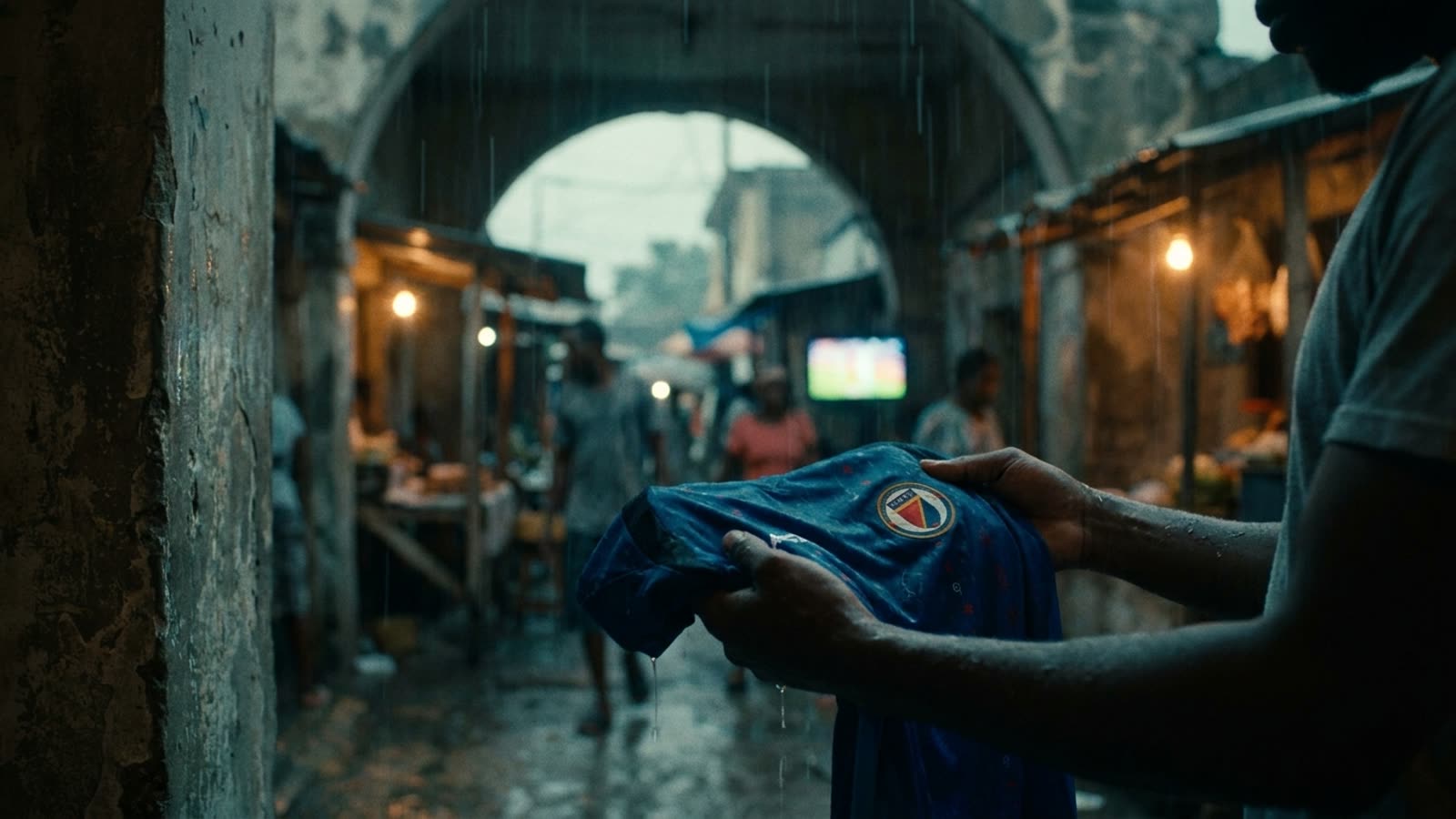
Their opponents carry their own burden. Haiti's qualification—the first in their history—has been overshadowed by FIFA's last-minute ban on their controversial jersey design, which featured imagery the governing body deemed political. The team took the field in plain white alternates, their statement erased but their determination intact. For a Caribbean nation with football's most passionate grassroots culture and its most turbulent recent history, simply being here represents a triumph over circumstances that would have broken lesser federations.
The match itself has unfolded with the nervous energy of two teams desperate not to lose rather than confident they can win. Scotland's midfield control has been workmanlike rather than inspired, but against a Haiti side still adjusting to the altitude and atmosphere of their first World Cup match, workmanlike has proven sufficient.
Our take
Scottish football operates on a different emotional register than the sport's traditional powers. Where Brazil expects glory and Germany demands efficiency, Scotland hopes merely to avoid embarrassment—and even that modest ambition has historically proven too ambitious. A victory over Haiti won't silence the skeptics or transform Clarke's side into contenders. But it would give the Tartan Army something they've rarely experienced: a World Cup match where they can unclench before the final whistle. Sometimes that's enough.