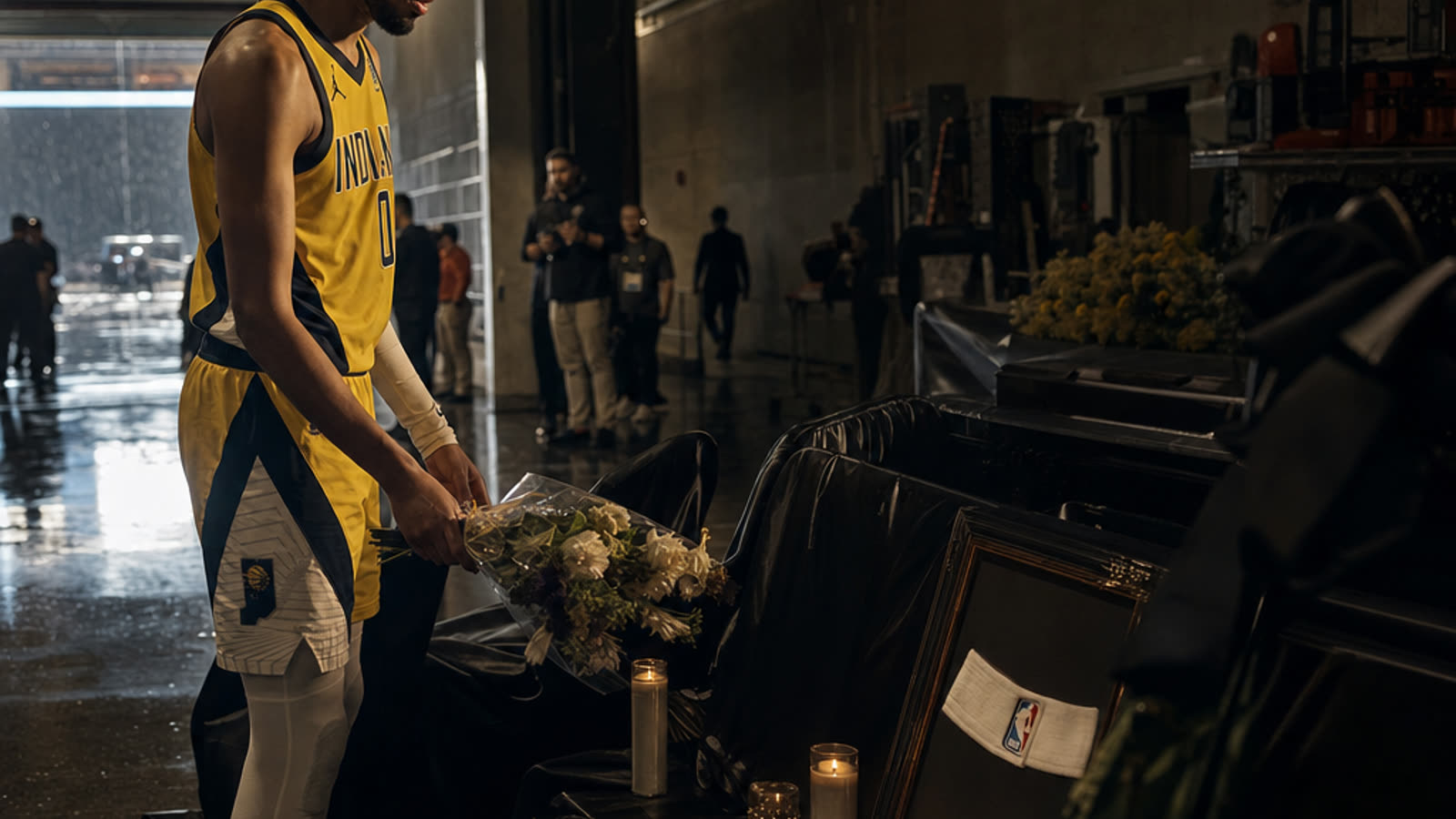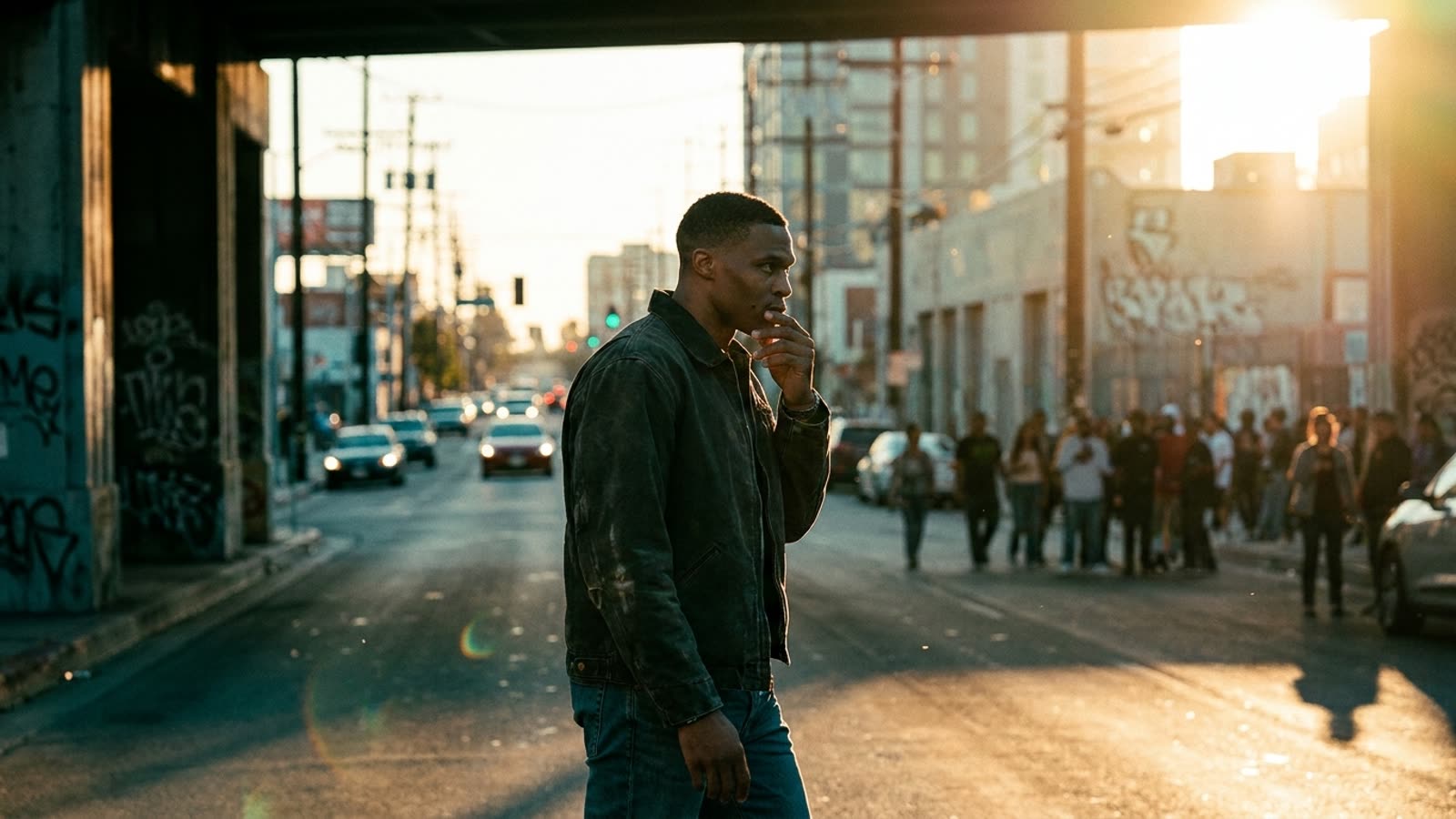
Russell Westbrook retired this summer with the NBA's career triple-double record, four scoring titles, and an MVP trophy—yet the discourse around him remains curiously unsettled. Now the 37-year-old has declared his intention to serve as an ambassador for the 2028 Los Angeles Olympics, a role that would place one of basketball's most polarizing figures at the ceremonial heart of his hometown Games.
The timing is shrewd. Westbrook's final seasons, spent bouncing between the Lakers, Clippers, and Nuggets, ended not with a championship but with diminished minutes and awkward bench cameos. For a player who built his brand on relentless aggression, the quiet exit stung. An Olympic platform offers something a farewell tour could not: a stage where intensity is celebrated rather than second-guessed, and where his UCLA roots and South Central upbringing can be foregrounded over his shooting percentages.
The statistical paradox
Westbrook's 198 career triple-doubles represent a monument to volume that no contemporary player is likely to approach. Yet advanced metrics consistently placed him outside the top tier of postseason performers, and his teams won just two playoff series after Kevin Durant departed Oklahoma City. The tension between his box-score dominance and his teams' results became the defining argument of mid-2020s basketball discourse—one that generated more heat than light.
Carrying the torch, literally or figuratively, would not resolve that debate. But it would shift the frame. Olympic ceremonies reward narrative arc over net rating. Westbrook's journey from Leuzinger High School to Staples Center to global icon fits the template LA organizers will want to project: local kid, self-made, unapologetically himself.
Home court advantage
Los Angeles has not hosted a Summer Olympics since 1984, when Carl Lewis became a household name and the Soviet bloc stayed home. The 2028 edition arrives in a different city—more expensive, more congested, more culturally fragmented. Organizers need ambassadors who can unify disparate constituencies. Westbrook, who remained fiercely loyal to his Crenshaw roots even while earning nearly $400 million in career salary, offers a bridge between the Inglewood arena crowd and the Brentwood donor class.
His foundation has funded after-school programs across South LA for over a decade. His fashion ventures, however eccentric, kept him visible beyond the sports page. And his willingness to clash with media—often to his detriment—reads differently when recast as authenticity rather than petulance.
Our take
Westbrook's Olympic bid is less about redemption than repositioning. He does not need to apologize for the way he played; he needs a context in which that way of playing is an asset. The Games provide it. Whether he lights the cauldron or simply waves from a float, the image of Westbrook representing Los Angeles to the world will outlast another round of true-shooting arguments. Sometimes the best legacy move is knowing which stage to choose.