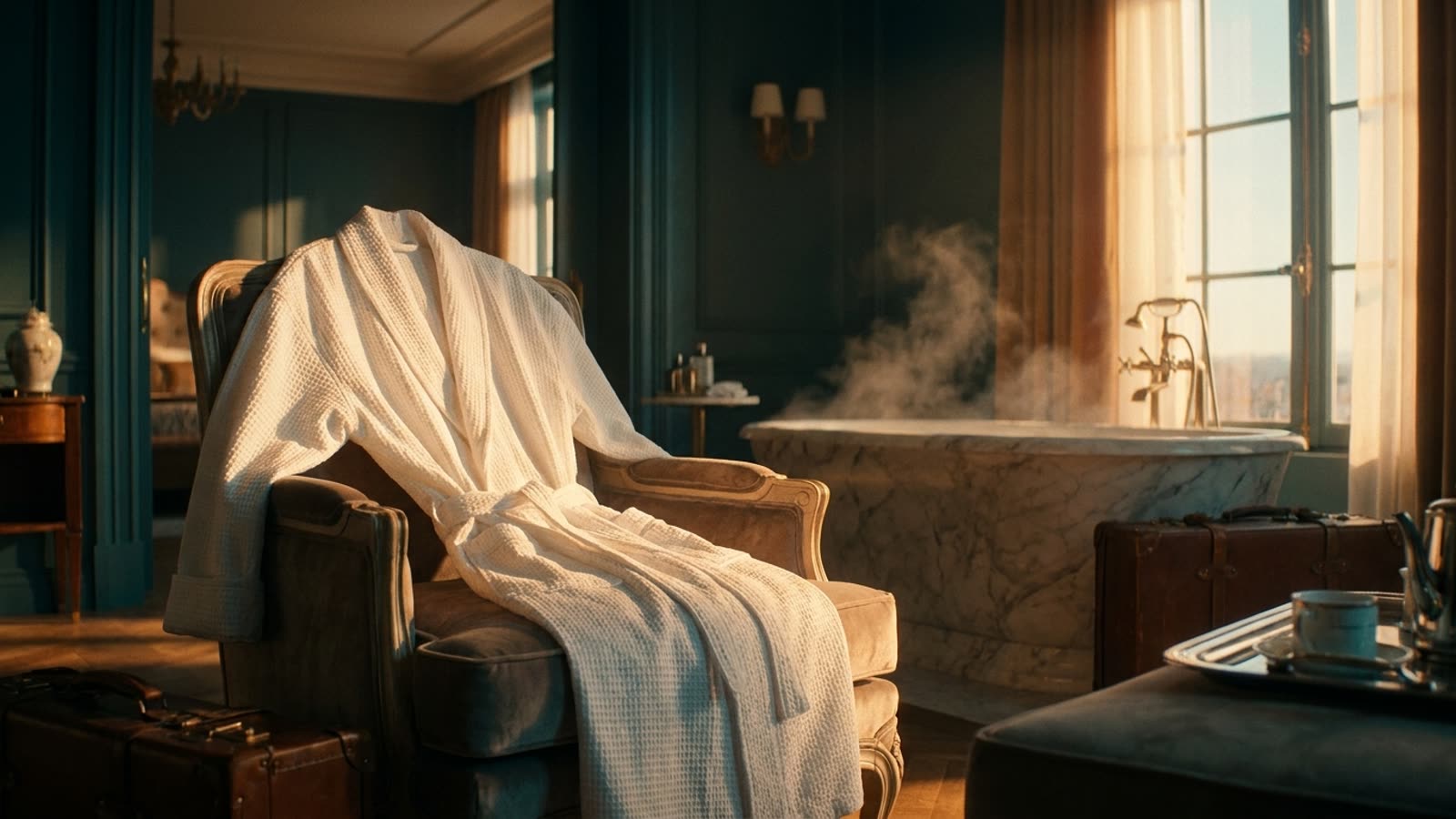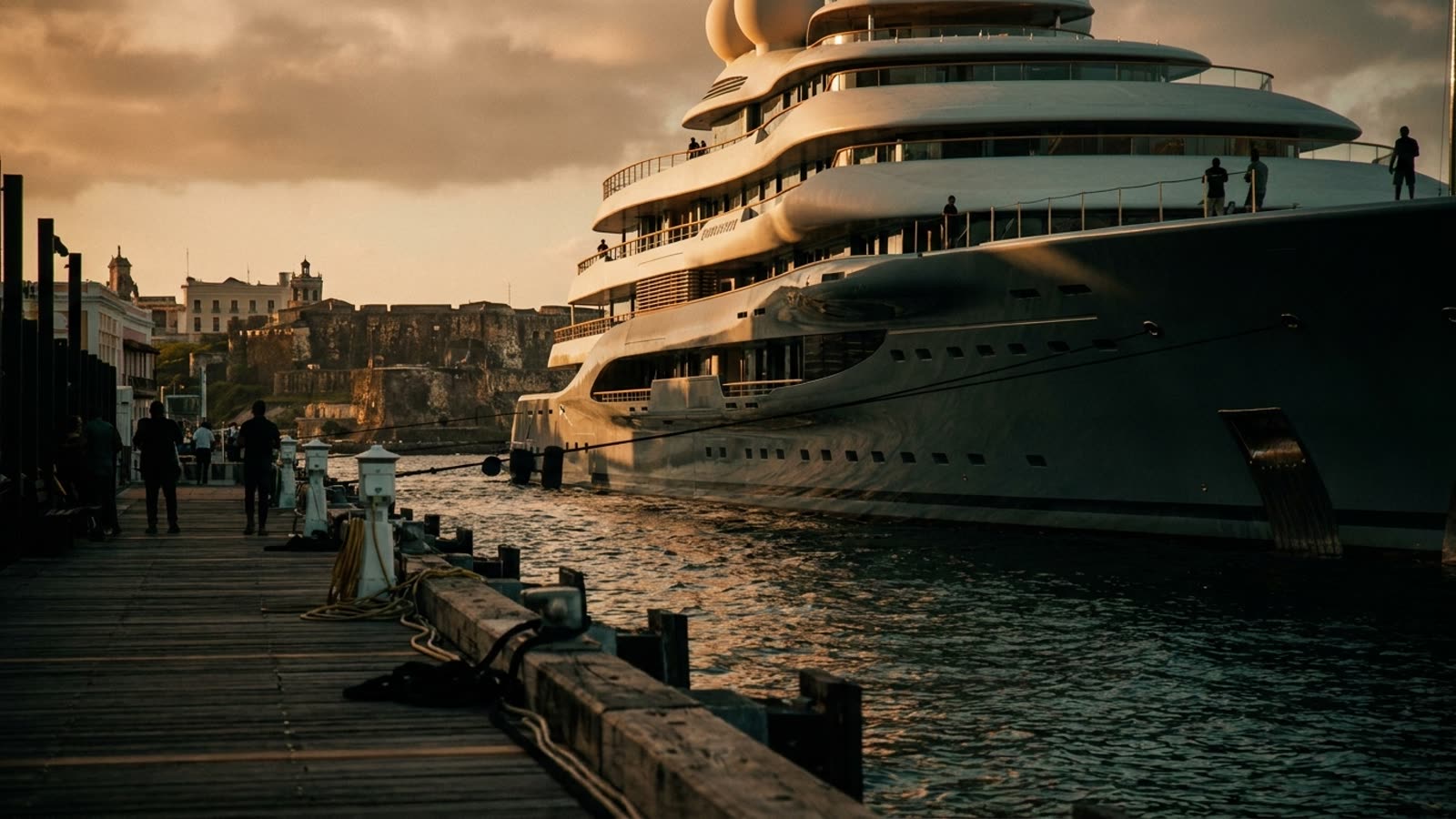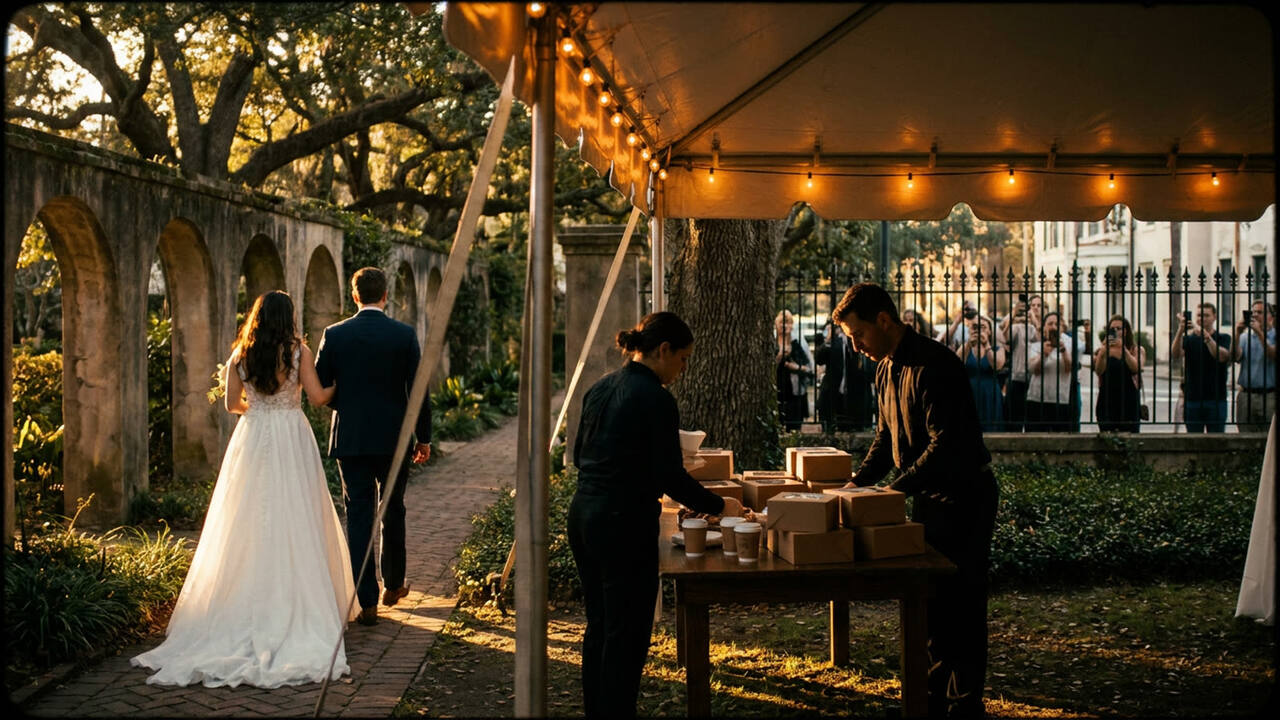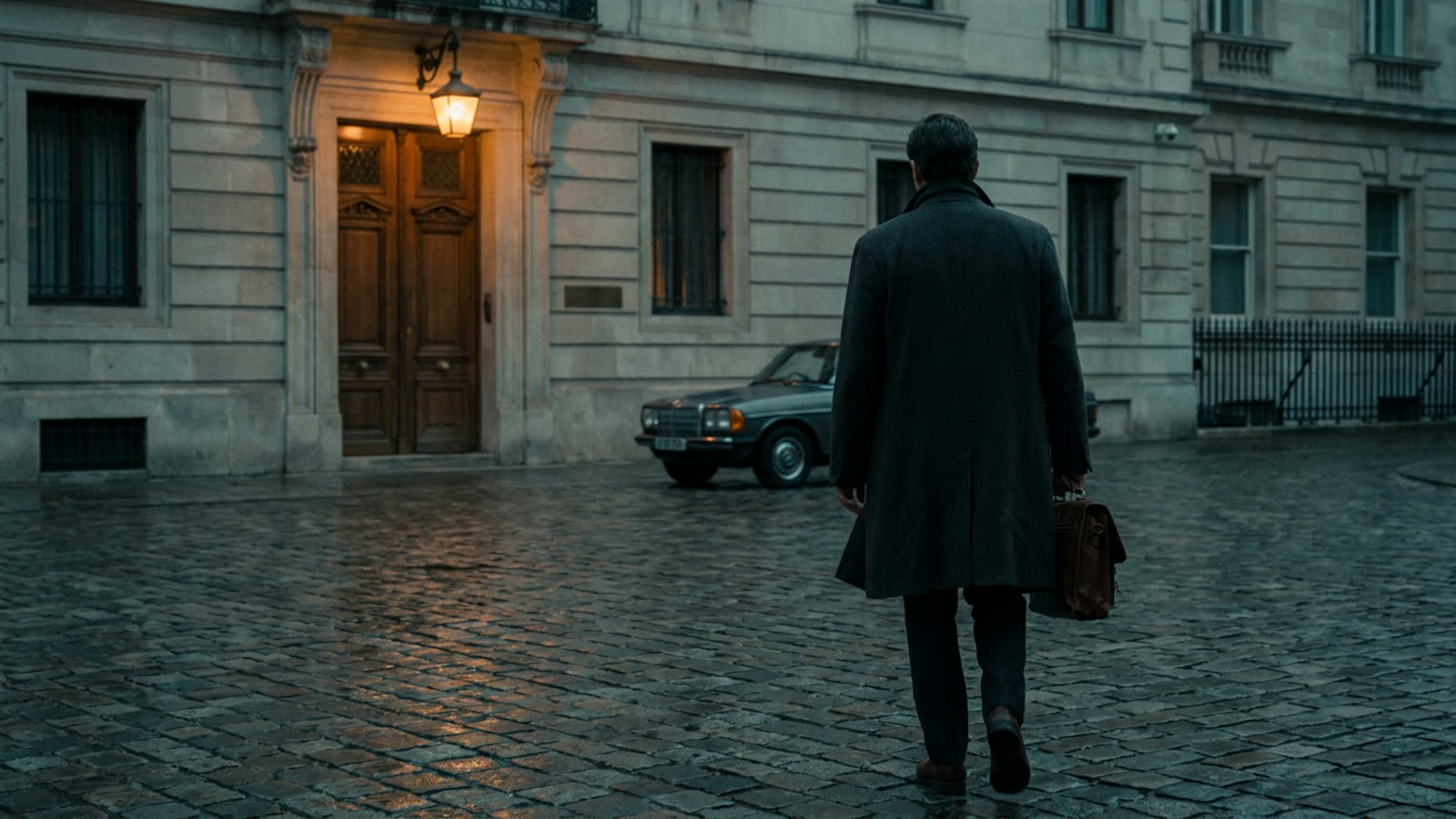
For most of human history, the purpose of expensive clothing was to be seen. Silks announced merchant fortunes, ermine trimmed royal robes, and the sumptuary laws of medieval Europe existed precisely because dress was such a reliable indicator of station that governments felt compelled to regulate it. The twentieth century democratized fashion through mass production, but the instinct remained: luxury meant logos, and logos meant legibility. Then something shifted. The wealthiest people in the world started dressing like particularly well-groomed middle managers, and a $4,000 cashmere sweater became indistinguishable from a $200 one to anyone who wasn't already in the club.
This is quiet luxury, and its triumph represents something more interesting than a mere aesthetic preference. It is a class strategy disguised as taste.
The economics of invisibility
The phrase "quiet luxury" entered mainstream fashion vocabulary relatively recently, but the phenomenon predates the term. Brands like Loro Piana, Brunello Cucinelli, and The Row have built empires on garments that telegraph wealth only to those already fluent in the language. A Loro Piana Storm System jacket costs several thousand dollars and looks, to the untrained eye, like something from a well-stocked department store. This is the point.
The economic logic is counterintuitive until you consider who the customer actually is. When luxury goods became accessible to the aspirational middle class through credit, outlet malls, and logo-heavy entry products, the truly wealthy needed a new signifier. Conspicuous consumption had been democratized; the response was conspicuous non-consumption, or at least the appearance of it. The new status symbol became the absence of status symbols—clothes so understated that only other wealthy people could recognize their provenance.
The cultural mechanics
Quiet luxury also functions as a kind of social armor. In an era of increasing wealth inequality and populist resentment, looking rich carries risks it didn't carry in the gilded excess of previous decades. A tech billionaire in a gray crewneck and unremarkable trousers reads as approachable, democratic, perhaps even ascetic. The same billionaire in head-to-toe Gucci logos reads as out of touch at best, grotesque at worst. Stealth wealth is partly about taste, but it is also about managing perception in a world where extreme wealth is increasingly scrutinized.
There is also the matter of confidence. Loud fashion often signals insecurity—a need to prove membership in a club one has only recently joined. The quiet luxury customer, by contrast, has nothing to prove. They dress for themselves and for the handful of people whose opinions actually matter to them. This is, of course, its own kind of snobbery, but it is a snobbery that flatters itself as refinement rather than display.
The paradox of mass aspiration
The irony is that quiet luxury has itself become a trend, which threatens to undermine its entire premise. Fast fashion retailers now sell "quiet luxury" dupes. Social media influencers explain how to "achieve the look" on a budget. The aesthetic has been codified, disseminated, and democratized—exactly the process that made the wealthy flee from logos in the first place. The truly rich will eventually need to find a new way to distinguish themselves, and the cycle will begin again.
Our take
Quiet luxury is neither a moral improvement over conspicuous consumption nor a betrayal of fashion's theatrical possibilities. It is simply the current chapter in an eternal negotiation between wealth and visibility. The rich have always found ways to recognize each other while remaining illegible to everyone else; the specific codes change, but the game remains the same. What makes this particular moment interesting is the speed at which the codes are being cracked and copied. In a world of instant trend cycles and algorithmic dissemination, even whispering has become loud.