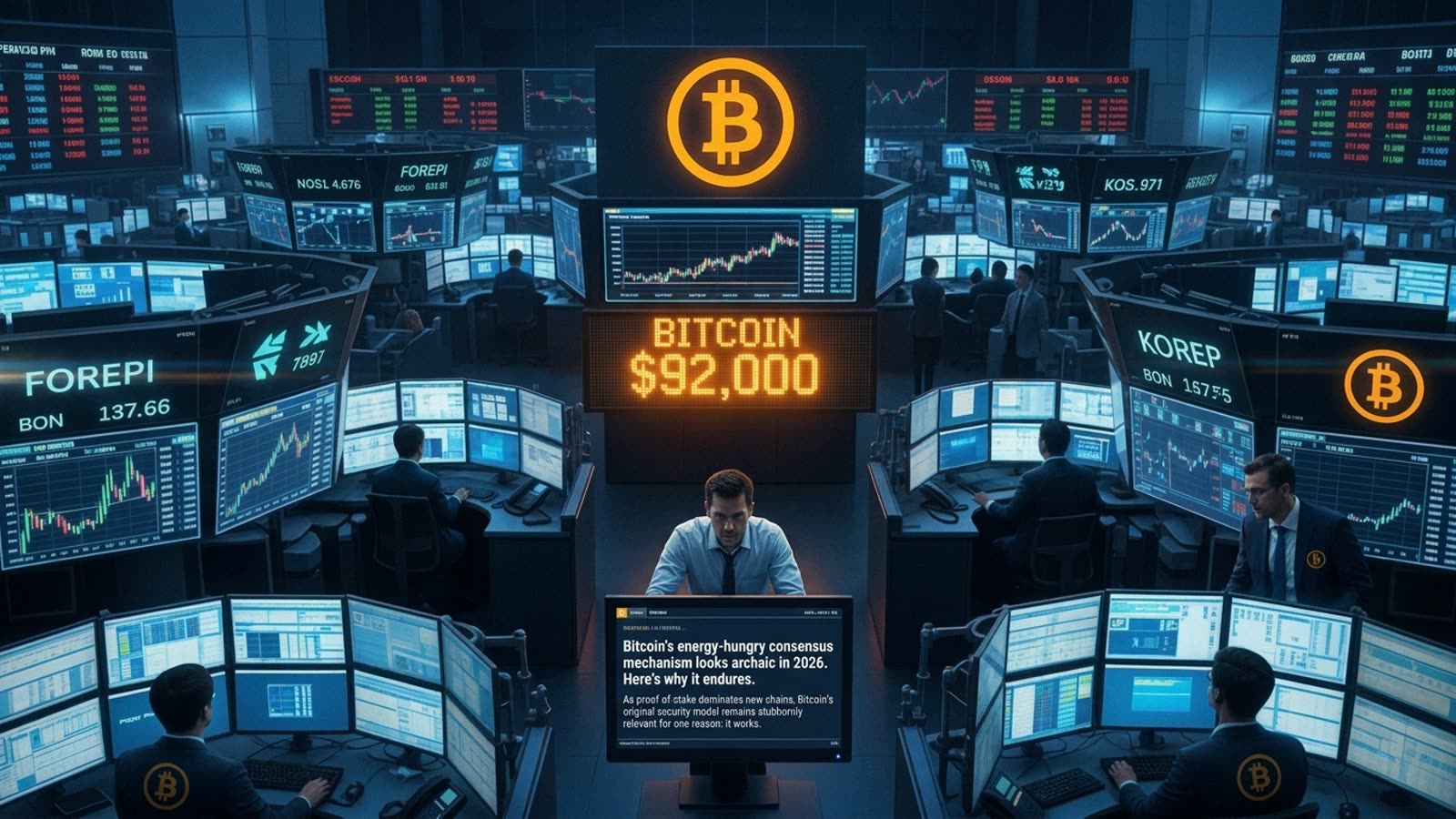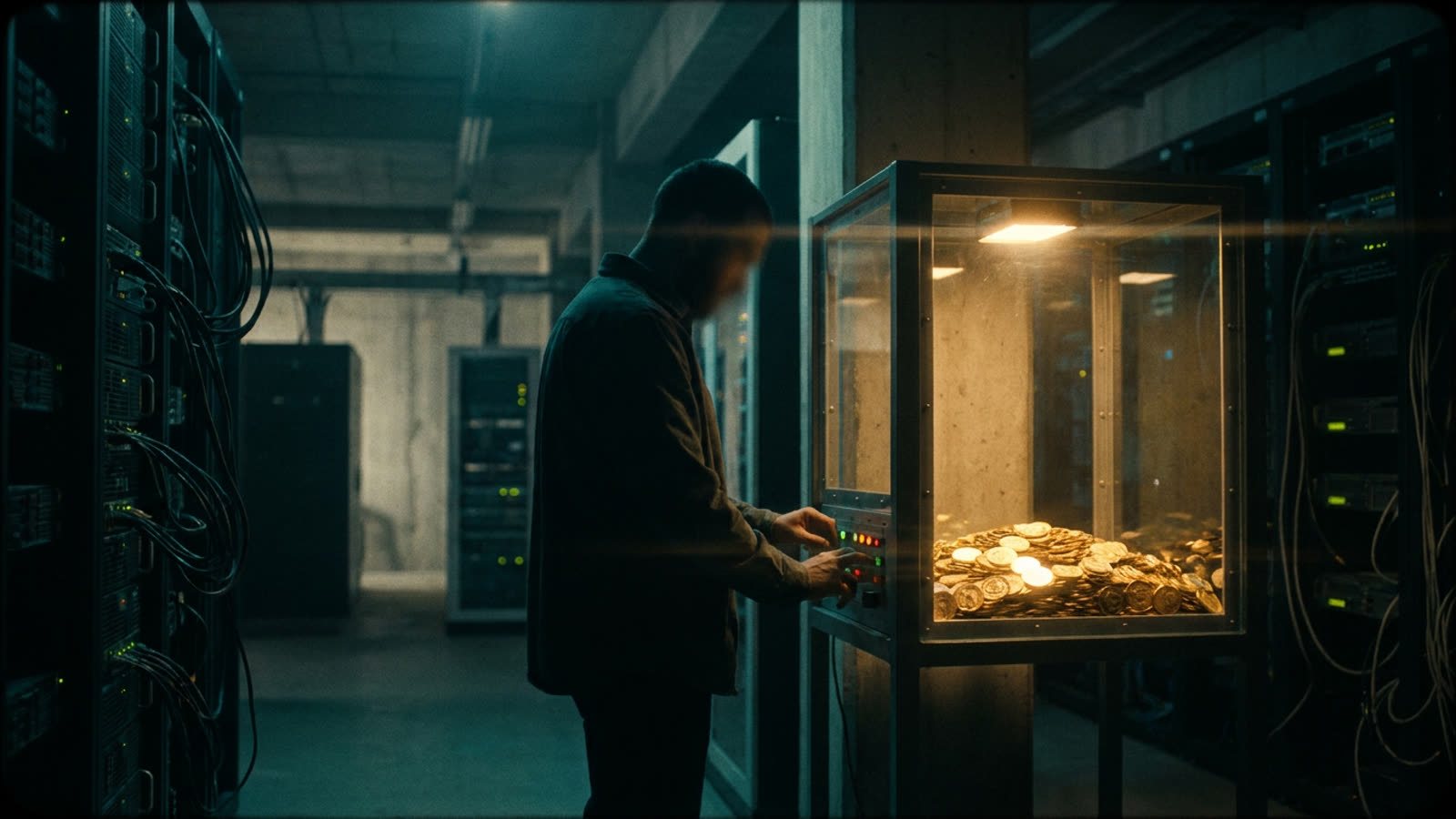
The phrase sounds like something from a legal thriller — proof of stake, as if someone were presenting evidence in court. In reality, it has nothing to do with proving anything. It is a coordination game, a method for thousands of strangers to agree on which transactions happened and in what order, without trusting each other or hiring a referee.
Understanding proof-of-stake matters because it now underpins the majority of blockchain value outside Bitcoin. Ethereum, the second-largest network, completed its transition to proof-of-stake in late 2022. Solana, Cardano, Avalanche, and most newer chains were built on it from the start. Yet most token holders could not explain how their network actually reaches consensus. They have outsourced that understanding to developers and validators, which is a bit like owning stock in a company without knowing whether it makes cars or software.
The original problem
Blockchains are just ledgers — lists of who sent what to whom. The hard part is getting everyone to agree on the same list when there is no central authority and participants have financial incentives to lie. Bitcoin solved this with proof-of-work: miners compete to solve computational puzzles, and the winner gets to add the next block of transactions. The puzzle-solving burns electricity, which makes cheating expensive. If you want to rewrite history, you need more computing power than everyone else combined.
Proof-of-work functions, but it is spectacularly wasteful. At its peak, Bitcoin mining consumed more electricity than some mid-sized countries. Critics called it an environmental crime. Defenders called it the cost of trustless security. Either way, it motivated the search for alternatives.
The staking bargain
Proof-of-stake replaces computational work with economic collateral. Instead of burning electricity to earn the right to write the next block, participants lock up tokens as a security deposit. The protocol selects validators — sometimes randomly, sometimes weighted by stake size — to propose and attest to new blocks. If they behave honestly, they earn rewards. If they try to cheat, the protocol can destroy their deposit, a punishment called slashing.
The logic is straightforward: make dishonesty expensive by putting your own money at risk rather than by burning someone else's electricity. A validator with a million dollars staked has a million reasons not to approve fraudulent transactions.
This shift has consequences. Proof-of-stake networks consume a tiny fraction of the energy that proof-of-work requires — estimates suggest reductions of more than ninety-nine percent. But the tradeoff is concentration risk. Wealth begets more wealth: those with the most tokens can stake the most, earn the most rewards, and compound their influence. Critics argue this creates a plutocracy dressed in decentralization rhetoric.
What stakers actually do
Most token holders do not run validator nodes themselves. They delegate their tokens to professional operators, earning a share of rewards while the operator handles the technical infrastructure. This is convenient but introduces trust assumptions that the purists prefer to ignore. You are relying on your chosen validator not to get slashed, not to experience downtime, and not to vote against your interests in governance decisions.
The staking yields that exchanges advertise — often in the range of three to seven percent annually — are not interest in the traditional sense. They are newly minted tokens, which means existing holders are diluted if they do not stake. The real return is the difference between the staking yield and the inflation rate, which is often more modest than the headline numbers suggest.
Our take
Proof-of-stake is neither a scam nor a miracle. It is a reasonable engineering compromise that trades one set of problems for another. The energy savings are real and meaningful. The centralization concerns are also real and meaningful. What it is not, despite the name, is proof of anything except that incentives can substitute for trust — up to a point, and with caveats that most marketing materials conveniently omit. If you own tokens on a proof-of-stake network, you are participating in this system whether you understand it or not. Understanding it seems like the minimum due diligence.