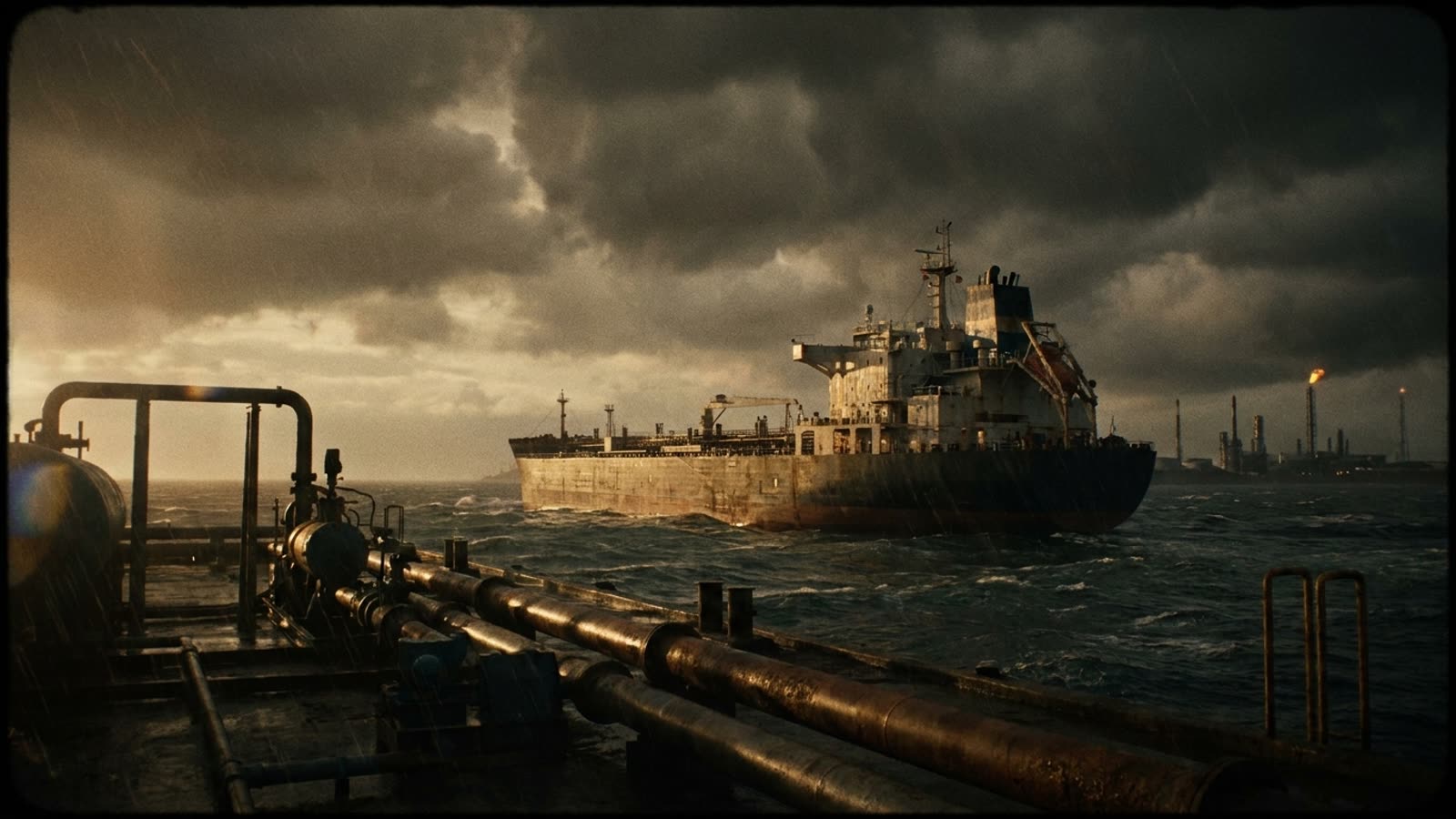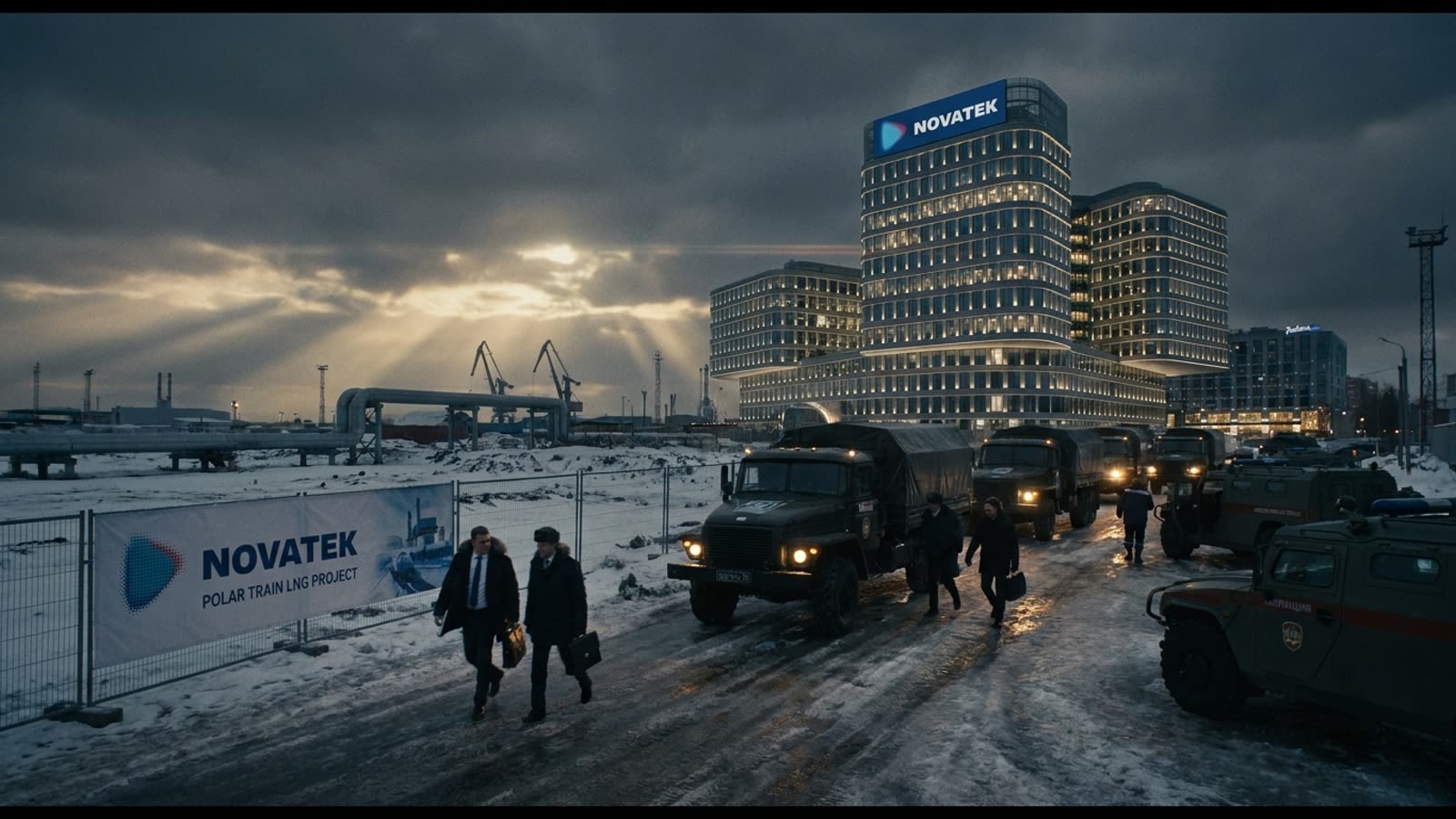
A $25 billion liquefied natural gas project marketed as a pillar of American energy independence was, according to its former chief executive, secretly financed and controlled by Russia's Novatek — a company under US sanctions — without any disclosure to federal regulators.
The allegation, made to the Financial Times by Polar Train LNG's former CEO, represents one of the most serious claims of covert Russian penetration into US strategic infrastructure since the Cold War. Multiple American executives have now resigned from the Alaska-based venture, citing what they describe as undisclosed Kremlin influence over a project designed to ship American gas to Asian markets.
The architecture of concealment
Novatek, Russia's largest independent gas producer, has operated under escalating Western sanctions since 2014. Direct investment in US energy infrastructure would be legally impossible. Yet according to the departing executives, the company allegedly structured its involvement through layers of intermediaries, maintaining operational control while American partners served as the public face of the venture.
The strategic logic is elegant, if alarming. Alaska's North Slope sits atop enormous gas reserves with direct shipping access to hungry Asian markets. A Russian-controlled facility there would give Moscow influence over Pacific energy flows while wearing American colors — a hedge against the very sanctions designed to constrain Russian energy ambitions.
Regulatory failure in plain sight
The Committee on Foreign Investment in the United States (CFIUS) exists precisely to prevent this scenario. The inter-agency body reviews foreign acquisitions of American companies for national security risks. But CFIUS jurisdiction depends on disclosure. If ownership structures are sufficiently opaque — routed through friendly jurisdictions, held by nominally independent parties — the committee may never know to look.
The Polar Train allegations suggest the system's vulnerability is not hypothetical. A project of this scale, in a strategically sensitive location, apparently operated for years without triggering the scrutiny its true ownership would have demanded. Congressional investigators will want to understand how.
The wider chill
Beyond the specific scandal, the revelations threaten to complicate legitimate foreign investment in American energy at a moment when the administration is simultaneously courting international capital for infrastructure and tightening restrictions on adversarial nations. Every Gulf sovereign wealth fund, every Asian trading house considering US energy exposure will now wonder what enhanced due diligence awaits them — and whether the regulatory environment has become too unpredictable to navigate.
Our take
The Polar Train affair is less a story about one compromised project than about the limits of sanctions as a tool of economic statecraft. Russia has spent a decade learning to route around Western financial restrictions. That it apparently succeeded in placing assets inside American critical infrastructure — in Alaska, of all symbolically loaded places — suggests the cat-and-mouse game has tilted further toward the mouse than Washington would like to admit. The executives who resigned did the right thing. The question is why the system required their consciences rather than its own safeguards.