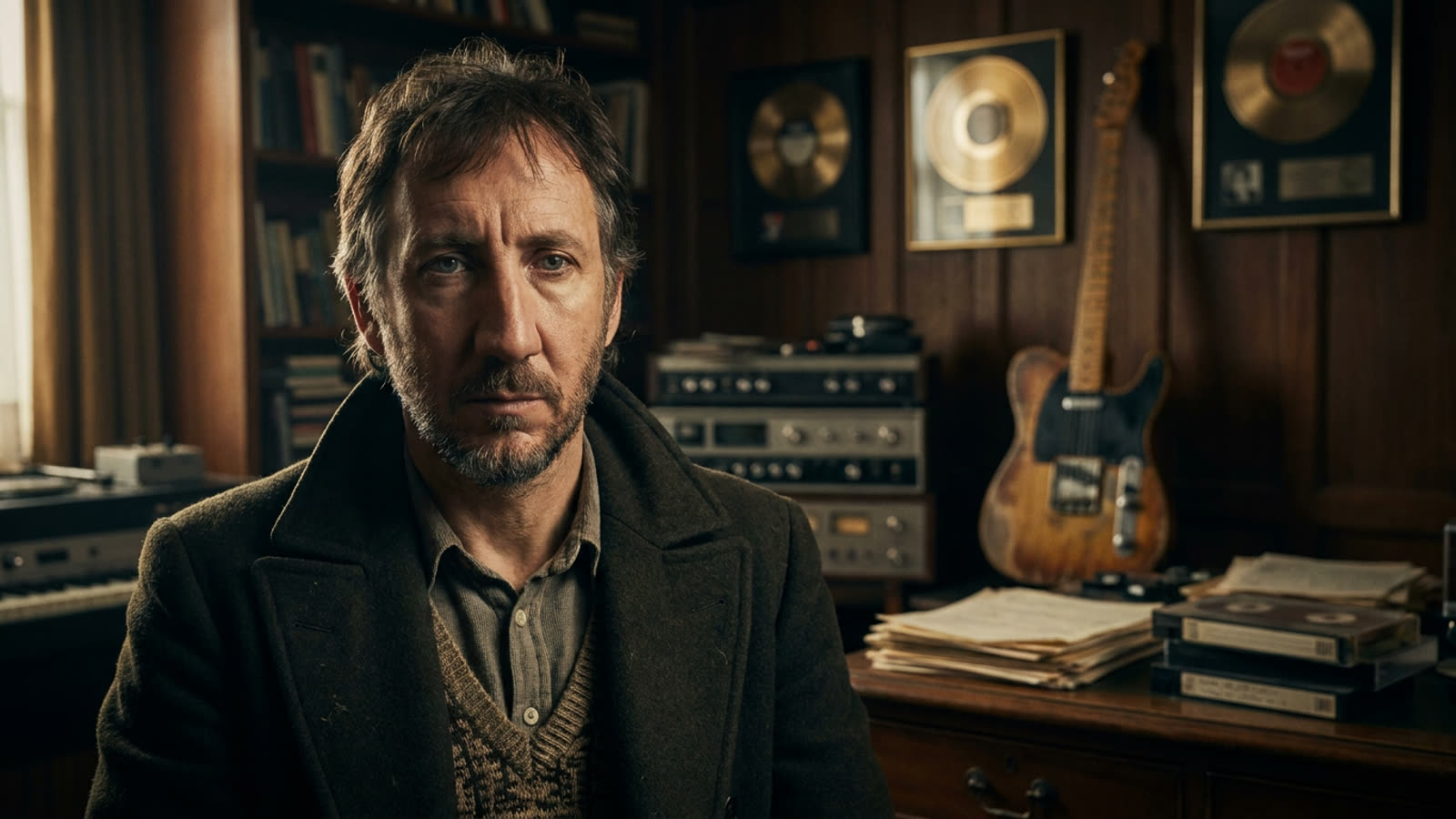
The man who wrote "Won't Get Fooled Again" has made a deal that suggests he's perfectly comfortable being fooled — or at least compensated — by the modern music-rights industrial complex. Pete Townshend, the 80-year-old architect of The Who's sonic fury, has sold his catalog and associated rights to Primary Wave Music in a transaction valued in the nine figures.
The partnership, announced Thursday, transfers certain music rights alongside Townshend's name, likeness, and image to the New York-based publisher, which has assembled one of the industry's most formidable portfolios of legacy artist catalogs. For Townshend, it represents the monetization of a body of work that defined stadium rock and influenced everyone from punk pioneers to arena-filling descendants.
The Primary Wave playbook
Primary Wave has perfected a particular art: acquiring stakes in catalogs from aging rock royalty and their estates, then aggressively licensing the material across film, television, advertising, and the ever-expanding universe of sync opportunities. The company's roster reads like a Rock and Roll Hall of Fame ballot — Bob Marley, Whitney Houston, Stevie Nicks, James Brown, and now the man responsible for "My Generation," "Baba O'Riley," and "Pinball Wizard."
The nine-figure valuation places Townshend's catalog among the most expensive acquisitions in recent memory, though it falls short of the reported $500 million Bruce Springsteen commanded from Sony in 2021. What distinguishes this deal is its comprehensiveness: Primary Wave hasn't just acquired publishing rights but also Townshend's name and likeness, opening doors to merchandise, theatrical productions, and whatever metaverse applications the company's strategists might conjure.
What Townshend is selling — and keeping
The guitarist retains creative consultation rights, according to sources familiar with the arrangement, meaning he'll have input on how his work is deployed. But make no mistake: the commercial destiny of songs that soundtracked the counterculture now rests with a private equity-backed firm whose fiduciary duty runs to investors, not artistic legacy.
Townshend has always been The Who's intellectual engine — writing nearly all of their material while Roger Daltrey provided the voice and Keith Moon the chaos. His solo work, including the underrated "Empty Glass" and the ambitious "Psychoderelict," is also part of the package. At 80, with touring increasingly impractical and streaming revenues notoriously thin, the calculus is straightforward: take the money now, let the professionals handle the exploitation.
Our take
There's something both pragmatic and melancholy about watching the architects of rock's rebellion cash out to financial engineers. Townshend once smashed guitars as an act of creative destruction; now he's signed papers that will ensure "Behind Blue Eyes" soundtracks insurance commercials for decades to come. The deal is neither surprising nor objectionable — artists deserve to profit from their work, and estate planning is simply responsible. But it does mark another step in classic rock's transformation from living culture to managed asset class. The kids are not alright, but the quarterly returns will be.