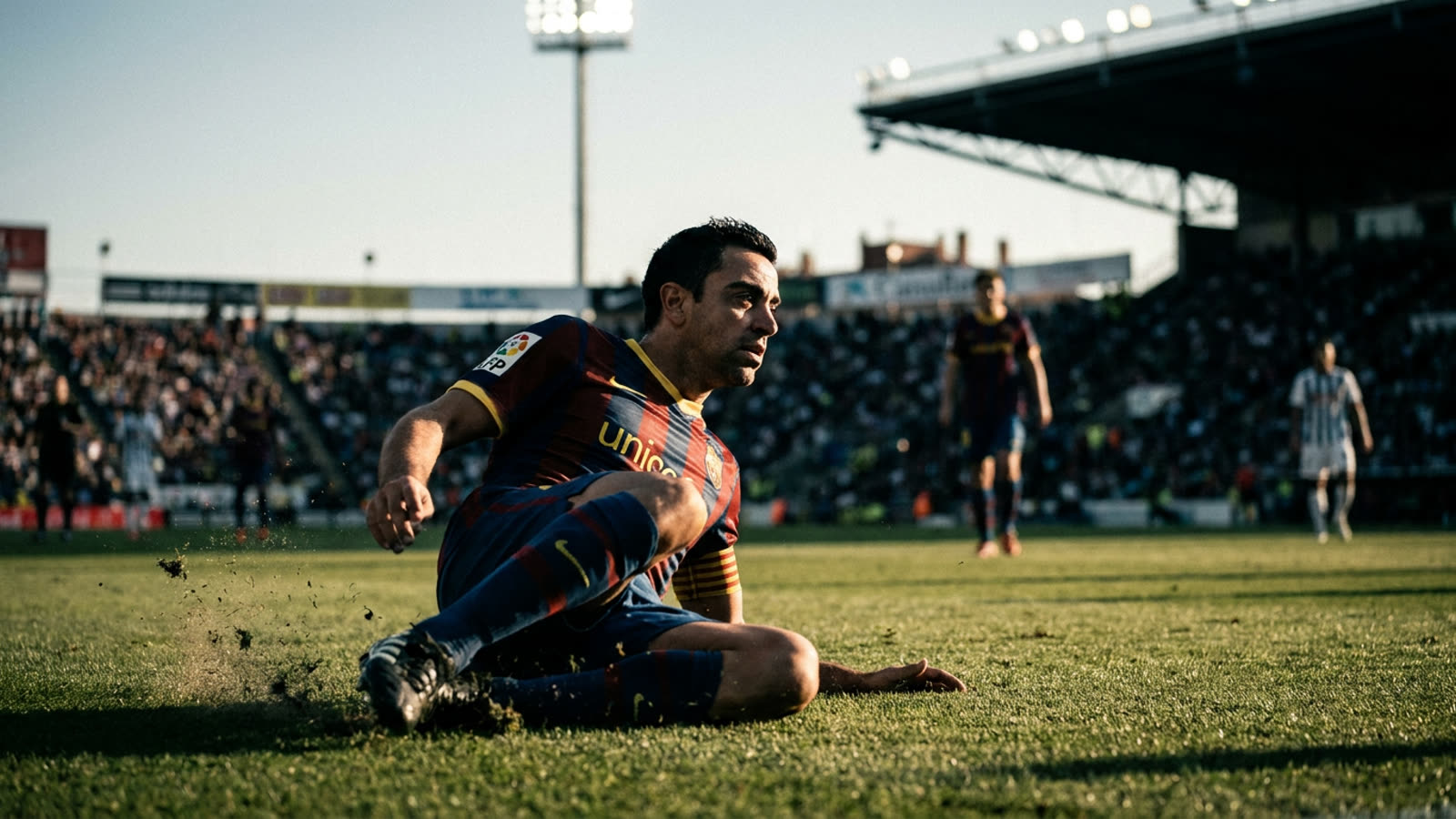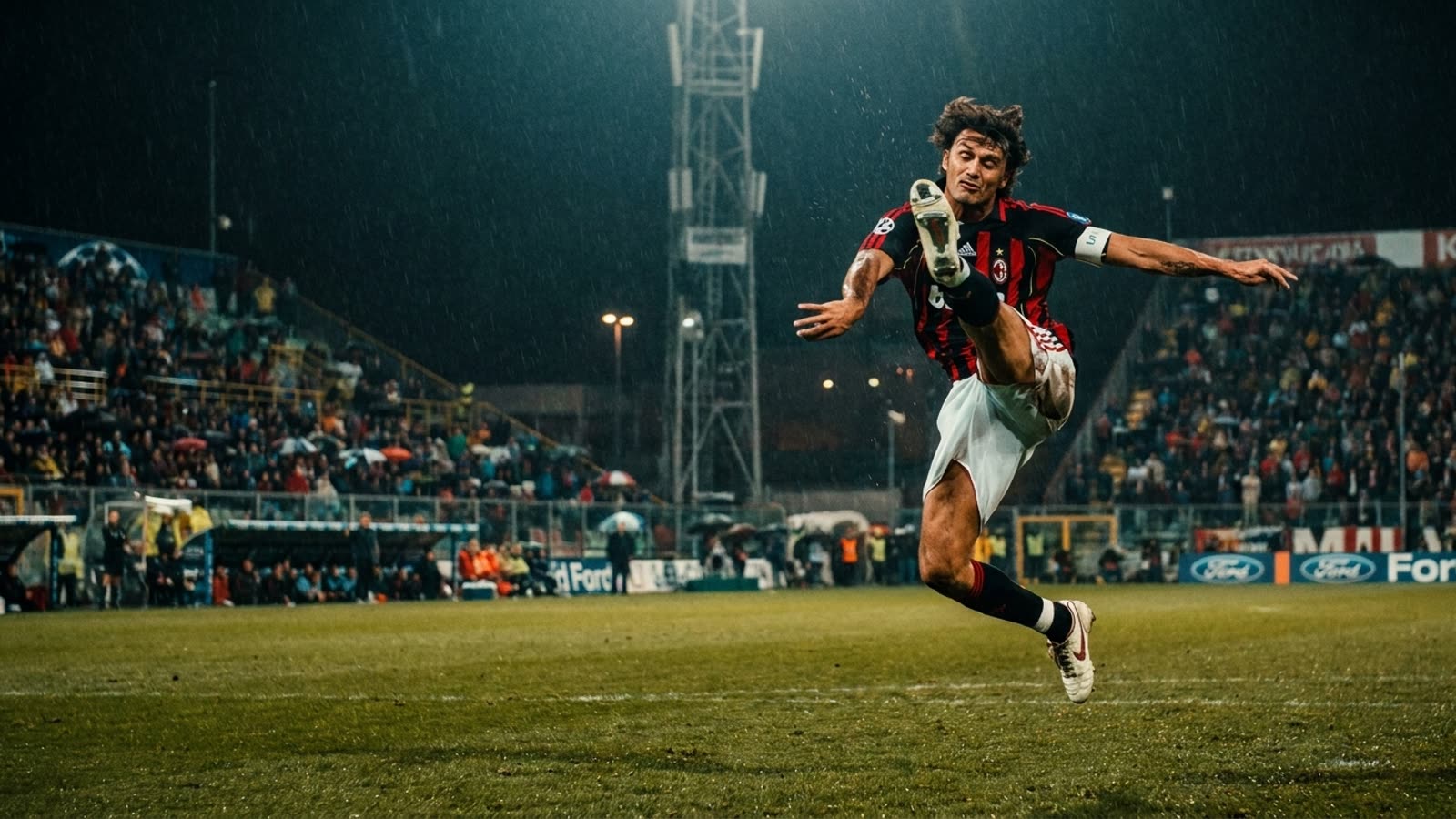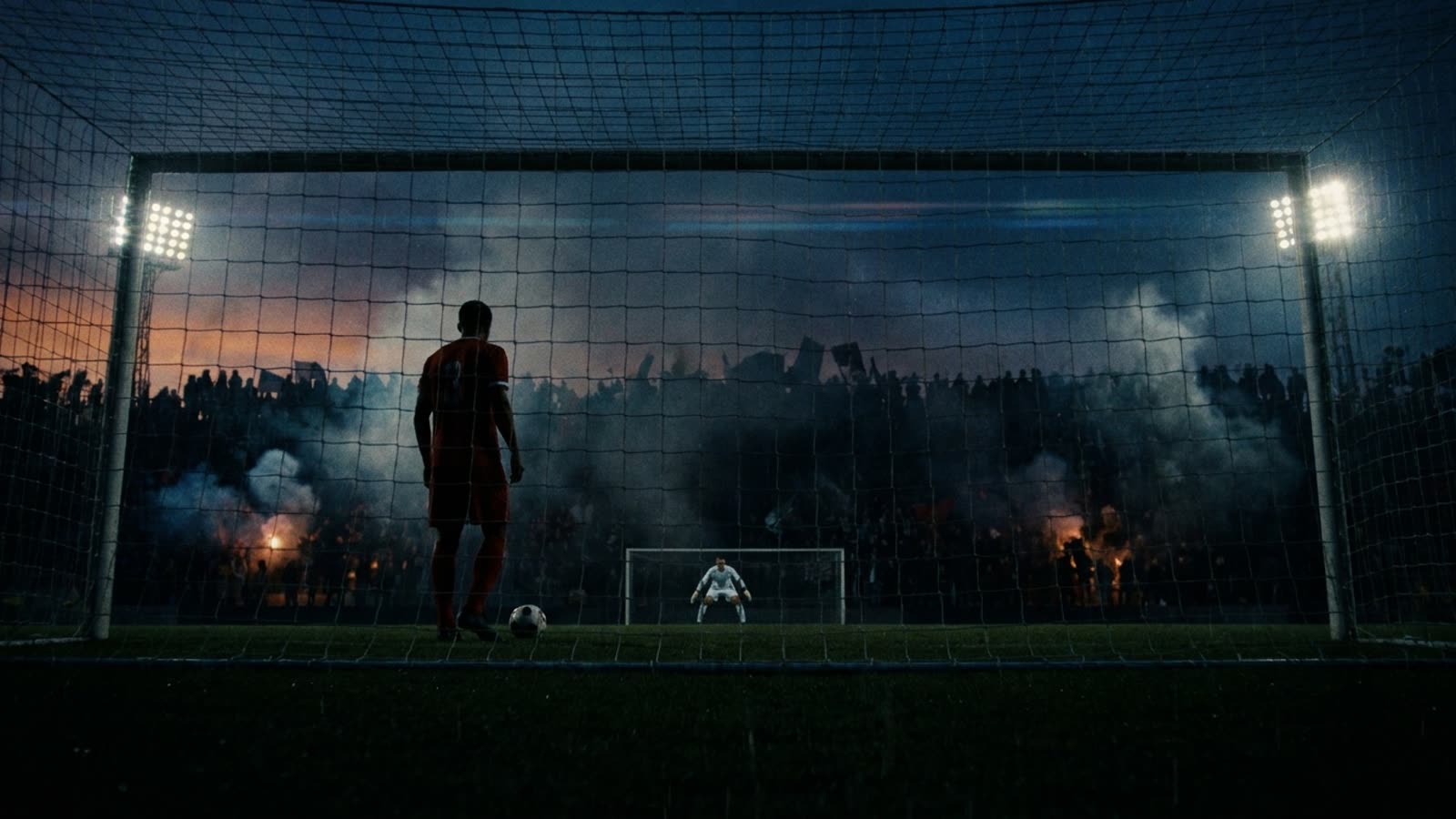
No sporting ritual generates more hand-wringing than the penalty shootout, and none deserves less of it. Critics call it a lottery, an unfair way to decide matches of consequence, a mechanism that reduces the beautiful game to something resembling Russian roulette. They are wrong. The shootout is not a coin flip dressed in athletic clothing — it is a concentrated examination of nerve, preparation, and institutional culture that reveals more about teams and nations than ninety minutes of open play ever could.
The numbers tell a story that contradicts the lottery narrative entirely. Germany, across major tournaments, has converted at rates that would make a mathematician suspicious of the sample. England, until recently, failed with a consistency that suggested something deeper than bad luck. These patterns persist across generations of players, which means they cannot be attributed to individual talent alone. Something systemic is at work.
The preparation gap
What separates successful penalty-taking nations from unsuccessful ones is almost boringly practical: they practice. German clubs have historically integrated shootout preparation into regular training, treating the skill as learnable rather than innate. English football long maintained a curious superstition that practicing penalties was either pointless or actively counterproductive, as if rehearsal might somehow exhaust a finite reservoir of composure. This cultural difference — one nation treating pressure as a technical problem to be solved, another treating it as a character test to be endured — explains decades of divergent results.
The goalkeeper's role complicates the lottery theory further. Diving is not random. Keepers study opponents, identify tendencies, and make educated guesses informed by hundreds of hours of video analysis. The best penalty-savers are not lucky; they are prepared. They have done the work that transforms a fifty-fifty proposition into something closer to sixty-forty.
The walk and what it reveals
That long march from the center circle to the penalty spot is where shootouts are actually decided. Twelve yards has never felt longer than when a stadium of seventy thousand people falls silent and a nation's hopes rest on a single strike. Some players sprint to the ball, eager to get the ordeal over with. Others walk slowly, attempting to project calm they may not feel. Sports psychologists can predict conversion rates with unsettling accuracy simply by observing body language during the approach.
The waiting is worse than the taking. Players who have already converted must watch teammates succeed or fail, powerless to help, accumulating anxiety with each kick. Those yet to shoot must manage their nerves while the queue shrinks ahead of them. The fifth penalty, statistically, is the hardest — not because the technique required is different, but because the pressure has compounded with each preceding attempt.
Our take
The shootout's critics want football decided by football, as if penalties exist outside the sport rather than at its psychological core. But football has always been about managing pressure, making decisions under duress, and performing when everything is on the line. The shootout simply strips away the chaos of open play and isolates these elements in their purest form. It is not a flaw in tournament design — it is a feature that reveals which teams have truly prepared for the moments that matter. The nations that treat penalties as a skill to be developed rather than a fate to be suffered are the ones that tend to advance. That is not luck. That is sport.